Is a Backpack a Personal Item or Carry-On? A Complete Travel Guide for First-Time Flyers (2026)
 Johnathan Walter
16 May, 2026
10 mins read
124
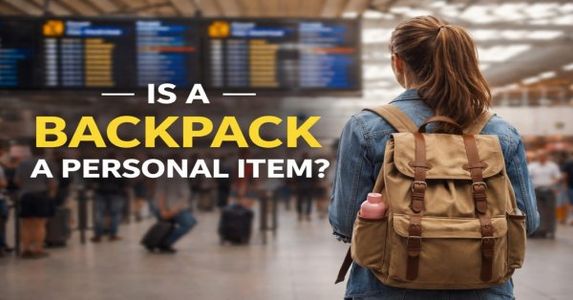
Traveling by air for the first time can feel exciting, but it also brings many small questions that most people never think about until they start packing. One of the biggest questions travelers ask before heading to the airport is: Is a backpack a personal item or a carry-on bag? I had the same confusion during my first international flight, and honestly, I almost paid extra baggage fees because I misunderstood the airline rules.
I still remember standing near the boarding gate with my backpack on my shoulders while watching airline staff measure cabin bags. Some passengers were asked to pay additional charges because their bags were too large. That moment made me realize how important it is to understand airline baggage policies before flying. Since then, I’ve traveled on domestic and international routes multiple times and learned exactly how airlines treat backpacks.
If you are preparing for your first flight or simply want to avoid unnecessary airport stress, this guide will help you understand everything about backpacks, personal items, and carry-on luggage in a simple and practical way.
What Is a Personal Item on a Flight?
A personal item is a smaller bag that airlines allow passengers to bring inside the cabin in addition to their carry-on luggage. Most airlines expect personal items to fit underneath the seat in front of you.
Common examples include:
- Backpacks
- Laptop bags
- Handbags
- Small duffel bags
- Tote bags
A backpack is usually considered a personal item if it is compact enough to fit under the seat. However, larger backpacks may count as carry-on baggage instead.
What Is a Carry-On Bag?
A carry-on bag is larger than a personal item and is generally stored in the overhead cabin compartment above your seat. Airlines have strict carry-on size limits, and these rules can vary depending on the airline and route.
Typical carry-on items include:
- Small trolley bags
- Cabin suitcases
- Large travel backpacks
- Weekender bags
If your backpack is too large to fit under the seat, airline staff may classify it as a carry-on bag.
My Personal Airport Experience With a Backpack
During my first long-distance trip, I packed everything into one large backpack because I thought it would save money. I had clothes, a laptop, snacks, chargers, and even a neck pillow attached outside the bag. At check-in, the airline employee told me my backpack looked too large for a personal item.
Luckily, the flight was not completely full, and they allowed it without charging extra fees. But I learned an important lesson that day: airlines care more about bag size than the type of bag itself.
Since then, I always measure my backpack before traveling. I also keep important items like documents, headphones, chargers, and medicines inside a smaller organized section for easy access during the flight.
Does Every Airline Have Different Rules?
Yes, airline baggage policies are different. Some full-service airlines are flexible with personal item sizes, while budget airlines can be extremely strict.
Low-cost airlines often measure bags carefully because baggage fees are one of their major sources of revenue. Even a slightly oversized backpack may result in extra charges at the gate.
Before traveling, always check:
- Maximum bag dimensions
- Weight restrictions
- Number of cabin bags allowed
- International vs domestic baggage policies
Reading airline baggage rules before your flight can save both time and money.
How Big Can a Personal Item Backpack Be?
Most airlines allow personal items that fit comfortably under the seat. While dimensions vary, smaller everyday backpacks generally work without problems.
A travel-friendly backpack should:
- Fit under the airplane seat
- Be lightweight
- Have organized compartments
- Avoid bulky external attachments
If your backpack looks overpacked or oversized, airline staff may ask you to place it in the carry-on sizing bin.
Tips to Use a Backpack as a Personal Item
Over the years, I’ve learned a few practical tricks that make flying easier when using a backpack.
Pack Only Essentials
Keep only important items in your backpack, such as:
- Passport and travel documents
- Phone charger
- Laptop or tablet
- Snacks
- Headphones
- Water bottle
- Medicines
Avoid stuffing unnecessary clothes or shoes into your personal item bag.
Use Packing Cubes
Packing cubes help organize items neatly and reduce bulk inside the backpack. They also make airport security checks faster and less stressful.
Choose a Soft Backpack
Soft backpacks are more flexible and easier to fit under airplane seats compared to hard-shell bags.
Avoid Overfilling the Bag
Even if your backpack technically meets airline dimensions, overpacking can make it appear larger and harder to store.
Why Travelers Prefer Backpacks
Backpacks have become one of the most popular travel bags for modern travelers. I personally prefer backpacks over trolley bags for shorter trips because they are easier to carry through crowded airports and train stations.
Some major advantages include:
- Hands-free convenience
- Easier movement
- Faster boarding
- Better organization
- Comfortable for short trips
For weekend travel or business trips, a backpack can often replace both a carry-on and personal item if packed smartly.
Common Mistakes Travelers Make
Many first-time flyers make simple baggage mistakes that can easily be avoided.
Ignoring Airline Policies
Not checking baggage rules before flying is one of the biggest mistakes.
Carrying Oversized Backpacks
Large hiking backpacks rarely qualify as personal items.
Packing Liquids Incorrectly
Airport security has liquid restrictions, so pack toiletries carefully.
Forgetting Easy Access Items
Always keep passports, tickets, and electronics within quick reach.
Can You Bring Both a Backpack and Carry-On?
Yes, many airlines allow passengers to bring:
- One personal item
- One carry-on bag
In this case, your backpack can act as the personal item while your suitcase goes into the overhead compartment.
This setup works perfectly for travelers who want extra storage without checking baggage.
Best Backpack Types for Air Travel
After multiple trips, I’ve noticed certain backpack styles work best for flights.
Laptop Backpacks
Perfect for students, remote workers, and business travelers.
Travel Backpacks
Designed specifically for airport travel with organized compartments.
Minimal Everyday Backpacks
Ideal for short domestic trips and budget airlines.
Final Thoughts
So, is a backpack a personal item or a carry-on bag? The answer depends mainly on its size and the airline’s baggage policy. Small and medium backpacks usually count as personal items if they fit under the seat, while larger travel backpacks may be treated as carry-on luggage.
From my personal experience, traveling becomes much easier when you pack light and understand airline baggage rules before leaving for the airport. A properly sized backpack can save money, reduce stress, and make your journey far more comfortable.
Written By:
Johnathan Walter

Hotels at your convenience
Now choose your stay according to your preference. From finding a place for your dream destination or a mere weekend getaway to business accommodations or brief stay, we have got you covered. Explore hotels as per your mood.