10 Interesting Facts About Al-Masjid an-Nabawi
 Callfor Umrah
29 Dec, 2025
5 mins read
218
Callfor Umrah
29 Dec, 2025
5 mins read
218
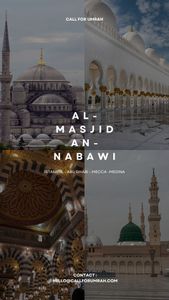
Al-Masjid an-Nabawi, also known as the Prophet’s Mosque, stands as one of the most revered and visited sites in Islam. Located in the sacred city of Madinah, Saudi Arabia, this magnificent mosque holds deep historical, architectural, and spiritual significance. Built by Prophet Muhammad (peace be upon him) himself, it continues to be a beacon of faith and unity for Muslims worldwide. Here are ten interesting facts about Al-Masjid an-Nabawi that highlight its importance and beauty.
1. Built by the Prophet Muhammad (PBUH) Himself
After migrating from Makkah to Madinah, the Prophet (PBUH) personally participated in building Al-Masjid an-Nabawi with his companions. It became the first center for Islamic learning, prayer, and community gatherings.
2. Home to the Prophet’s Tomb
One of the most sacred parts of the mosque is the Green Dome, under which lies the tomb of Prophet Muhammad (PBUH), alongside his close companions Abu Bakr (RA) and Umar ibn Al-Khattab (RA). This spot is visited by millions of Muslims each year.
3. The Second Holiest Mosque in Islam
Al-Masjid an-Nabawi holds the second-highest status after the Masjid al-Haram in Makkah. Visiting this mosque is considered a highly rewarding act, especially during Hajj and Umrah.
4. Expansion Through the Ages
Over the centuries, various Islamic rulers expanded and beautified the mosque. The most significant expansions occurred under the Ottoman and Saudi dynasties, transforming it into the grand structure we see today.
5. The Iconic Green Dome
The Green Dome, built in the 13th century, is one of the most recognized symbols in the Islamic world. It stands above the sacred chamber containing the Prophet’s tomb.
6. A Place of Infinite Rewards
According to Hadith, one prayer offered in Al-Masjid an-Nabawi is worth a thousand prayers offered elsewhere, except in the Masjid al-Haram. This spiritual significance makes it a deeply cherished destination for worshippers.
7. The Rawdah — A Garden from Paradise
Between the Prophet’s house and his pulpit lies a special area known as the Rawdah. The Prophet (PBUH) described it as “a garden from the gardens of Paradise,” making it one of the most sought-after spots for prayer.
8. Advanced Architectural Design
Modern expansions include climate-controlled courtyards, giant retractable umbrellas, and advanced facilities to accommodate millions of visitors while maintaining comfort and tranquility.
9. Open to All Muslims Year-Round
Unlike Masjid Al-Aqsa in Islam, which faces political restrictions, Al-Masjid an-Nabawi is open year-round to Muslims from across the globe, symbolizing peace and inclusivity.
10. A Center of Islamic Knowledge
From the time of the Prophet (PBUH), the mosque has served as a hub of knowledge and learning. Even today, scholars and students gather here to study Qur’an, Hadith, and Islamic sciences.
Conclusion
Al-Masjid an-Nabawi is not just an architectural marvel but a sacred symbol of faith, devotion, and unity for Muslims worldwide. Its historical legacy and spiritual atmosphere continue to inspire millions, reminding believers of the timeless message of Islam.
Written By:
Callfor Umrah

Hotels at your convenience
Now choose your stay according to your preference. From finding a place for your dream destination or a mere weekend getaway to business accommodations or brief stay, we have got you covered. Explore hotels as per your mood.