15 Boutique Hotel Bathrooms That Will Change How You Think About Design
 Shah Nawaz
30 Dec, 2025
24 mins read
225
Shah Nawaz
30 Dec, 2025
24 mins read
225
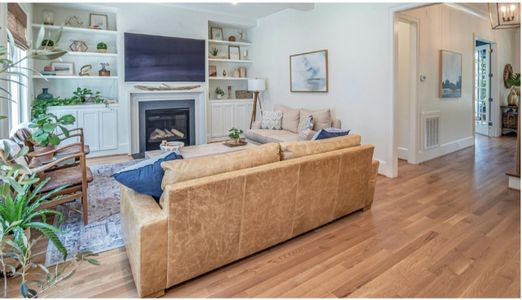
I've stayed in 200+ hotels across 40 countries, and I've developed an unusual obsession: photographing hotel bathrooms. Not in a creepy way—I promise—but because hotels spend millions on design that actually has to function. Unlike Pinterest dream bathrooms, hotel bathrooms face real-world testing: different users daily, constant cleaning, varied climates, and the expectation of both beauty and bulletproof durability.
Over two years of travel, I collected enough ideas to completely renovate my own home, and the lessons from these boutique hotels proved more valuable than any design magazine. Here's what I learned from the most stunning hotel bathrooms I've encountered and how you can apply these concepts at home.
1. Riad Yasmine, Marrakech - The Power of Handcrafted Details
Walking into my room at this traditional Moroccan riad, I was struck immediately by the bathroom. Every surface—walls, floors, even the sink surround—featured handcrafted zellige tiles in geometric patterns. Deep blues, emerald greens, and crisp whites created mesmerizing patterns.
What made it work: The tiles weren't perfect. Each piece showed slight variations in color and shape, and that imperfection created warmth. In an age of mass-manufactured uniformity, these handcrafted elements felt special.
The home application: You don't need to tile every surface in zellige. When I renovated my bathroom, I used�zellige tiles�as a decorative accent—a single niche in the shower and a narrow stripe around the room at eye level. The handcrafted quality elevates the entire space without the overwhelming cost of covering every surface.
Travel tip: The souks of Marrakech sell these tiles directly from artisan workshops. Watching craftsmen hand-cut and glaze each piece gave me new appreciation for why these tiles command premium prices.
2. Aman Tokyo - Minimalist Luxury Through Material Quality
The bathroom in my Aman room was almost stark in its simplicity. Large-format grey tiles, minimal fixtures, perfect lighting, and absolutely zero clutter. Yet it felt more luxurious than bathrooms with gold fixtures and marble everything.
What made it work: Material quality over quantity. The tiles were impeccably smooth with invisible grout lines. The lighting was layered—ambient, task, and accent—creating different moods. Every detail was executed perfectly.
The home application: This bathroom taught me that fewer elements executed beautifully beat lots of elements done mediocrely. When selecting�floor tiles�for my renovation, I chose larger formats (12x24 planks) specifically to minimize grout lines. The seamless appearance makes my small bathroom feel more spacious and sophisticated.
Design principle: In small spaces especially, less is more. Each element you add visually fragments the space. A few high-quality choices create calm.
3. Hotel Costes, Paris - Dark and Moody Done Right
Most hotel bathrooms are bright white to feel clean. Hotel Costes went the opposite direction: dark grey tiles, dim romantic lighting, and unexpected material combinations. It shouldn't have worked, but it absolutely did.
What made it work: The darkness created intimacy rather than claustrophobia. Proper lighting—dimmable fixtures and a backlit mirror—meant functionality wasn't sacrificed for mood. And the dark tiles (nearly black grout included) actually showed less water spotting and soap residue than white would have.
The home application: I was intimidated by dark bathrooms until I saw this executed well. For my renovation, I didn't go fully dark, but I did use darker grout (charcoal instead of white) with my light grey tiles. The contrast adds sophistication, and the darker grout genuinely shows less dirt between cleanings.
Color lesson: Dark doesn't mean depressing. With proper lighting and one or two lighter elements (my white vanity provides contrast), dark colors create spa-like sophistication.
4. Soho House Istanbul - The Industrial Luxe Aesthetic
This converted textile factory maintained industrial elements—exposed pipes, concrete, metal accents—while creating a luxurious bathroom that felt both edgy and comfortable.
What made it work: They embraced the building's history rather than hiding it. Modern fixtures and pristine�ceramic tiles�contrasted beautifully with the rough industrial elements. The juxtaposition created personality.
The home application: You don't need an actual industrial building to use this approach. In my renovation, I kept one brick wall exposed (previous owners had drywalled over it) and paired it with clean modern subway tiles. The contrast between old and new creates character impossible to achieve with all-new materials.
Design principle: Contrast creates interest. All-smooth or all-rough gets boring. Mixing textures—smooth tiles with rough brick, sleek fixtures with aged wood—keeps spaces visually engaging.
5. The Siam, Bangkok - Indoor-Outdoor Integration
The bathroom in my suite opened to a private courtyard with a rainfall shower surrounded by tropical plants. The transition between interior bathroom and exterior shower was seamless, with the same tiles continuing outside.
What made it work: Weather-appropriate materials throughout meant indoor and outdoor spaces felt unified. The large-format tiles, properly sealed, handled both climate-controlled interior and humid tropical exterior.
The home application: Most of us can't create outdoor showers (climate and privacy limit options), but the principle of material continuity applies. I used the same tile family throughout my bathroom—larger format on floors, subway style on walls—creating visual flow despite different applications.
Lesson: Material consistency creates cohesion. Using tiles from the same collection or color family throughout a space makes it feel larger and more intentional.
6. Ace Hotel Portland - Reclaimed and Repurposed
This hotel's aesthetic centers on salvaged and vintage materials. The bathroom featured subway tiles that looked genuinely old (they weren't) and fixtures that combined industrial utility with modern function.
What made it work: Authentic imperfection. The�subway tiles�had irregular edges and slight color variations mimicking aged tiles. Paired with genuinely vintage mirrors and hardware, the look felt collected over time rather than designed overnight.
The home application: New doesn't have to look new. I chose tiles with slightly irregular edges and varied coloring to avoid the sterile perfection of mass-manufactured options. Combined with a vintage mirror from an antique store and reproduction industrial-style lighting, my new bathroom has character from day one.
Travel observation: Portland's design scene values authenticity and craftsmanship. Spending time in cities with strong design cultures—Portland, Copenhagen, Tokyo, Melbourne—exposes you to approaches you wouldn't see in mainstream design magazines.
7. Alila Villas Uluwatu, Bali - Texture Underfoot
The outdoor bathroom featured river rock flooring—thousands of smooth stones set in mortar. Walking barefoot felt like a spa treatment.
What made it work: Varied texture provides sensory experience beyond visuals. The stones were smooth but not slippery, created natural drainage, and the color variation added organic beauty.
The home application: Full river rock flooring isn't practical for most bathrooms (imagine cleaning between all those stones). But the principle of textured flooring for both safety and sensory pleasure applies. I chose textured shower floor tiles specifically—small-format hexagons with a slightly rough surface. Slip-resistant and pleasant underfoot.
Safety note: Any bathroom tile should be slip-resistant when wet. Hotels use textured or small-format tiles in showers for safety; homeowners should too.
8. The Hoxton, Amsterdam - Terrazzo's Renaissance
Terrazzo—that speckled material combining marble chips in cement—is experiencing a design renaissance. This hotel featured terrazzo everything: floors, vanity tops, even the shower curb.
What made it work: Modern terrazzo comes in updated colors (soft pinks, deep greens, muted grays) that feel contemporary rather than 1950s institutional. The speckled pattern hides every imperfection—water spots, minor wear, even the occasional dropped makeup item just blends in.
The home application: While I didn't use actual terrazzo, I chose tiles with visual complexity—subtle patterns that include multiple tones. The varied surface means the tiles never look dirty even between cleanings. Solid-color tiles show every water spot; patterned tiles are forgiving.
Practical lesson: Beautiful AND low-maintenance is possible. Choose patterns that work with life's realities rather than fighting them.
9. Park Hyatt Vienna - Hidden Storage Everywhere
This bathroom looked serene and uncluttered despite offering every amenity. The secret? Extensive hidden storage. Recessed medicine cabinets, vanity drawers organized with custom dividers, a built-in laundry hamper, even a pull-out step stool for children.
What made it work: Every item had a designated home. Countertops stayed clear because everything else lived in purpose-built storage.
The home application: I didn't have space (or budget) for extensive custom storage, but I did plan storage intentionally. A vanity with actual drawers (not just fake drawer fronts) provides organized space. A recessed medicine cabinet adds storage without protruding into the room. A simple [hook bar for towels rather than rings saves space.
Design principle: Luxury is often about what you DON'T see. Clutter-free spaces require planning storage from the beginning, not as an afterthought.
10. Fogo Island Inn, Newfoundland - Local Materials and Craft
Every element in this hotel celebrates Newfoundland's heritage and landscape. The bathroom featured local stone, wood from nearby forests, and custom furniture by local craftspeople.
What made it work: Authenticity and connection to place. The materials literally came from the surrounding landscape, creating harmony between building and environment.
The home application: Source locally when possible. I found my vanity mirror at a local estate sale. Towel bars came from a regional metalworker. Not every element needs Amazon Prime—incorporating local finds and craftspeople creates personality impossible to achieve with mass-market products.
Travel philosophy: The best hotel experiences connect to their location. The worst could be anywhere. This applies to home design too—incorporating your region's materials and craft traditions creates authentic spaces.
11. Capella Singapore - The Walk-Through Shower
Instead of a closed shower stall, this bathroom featured a walk-through rainfall shower—you passed through it to access the separate soaking tub beyond. Both areas used the same tiles, creating one unified wet zone.
What made it work: Treating the entire bathroom as potentially wet meant using proper waterproofing and drainage throughout. The lack of shower doors made the space feel massive.
The home application: Full walk-through showers aren't practical for most homes (water everywhere!), but the concept of maximizing openness applies. I used a glass shower door rather than a curtain, and selected large-format bathroom tiles for visual continuity between wet and dry areas. The glass and continuous materials make my small bathroom feel much larger.
Spatial lesson: Barriers fragment space. Remove them where practical.
12. Edition Hotel, Barcelona - Unexpected Material Combinations
This bathroom combined materials that theoretically shouldn't work: industrial metal, soft marble, raw concrete, and glossy tiles. Yet the combination felt cohesive and intentional.
What made it work: Careful color coordination unified disparate materials. Everything fell within a narrow color palette (warm grays and soft whites) despite wildly different textures and finishes.
The home application: Don't be afraid to mix materials, but keep color consistent. My bathroom combines different tile sizes and styles—large-format floor tiles, subway wall tiles, decorative zellige accent—but they're all in the same soft gray palette. The consistent color creates unity despite varied textures.
Color rule: Pick 2-3 colors maximum. Vary textures and materials freely within that palette.
13. Como Point Yamu, Thailand - The Dedicated Grooming Zone
Beyond the standard vanity, this bathroom included a separate grooming station with magnified mirror, excellent task lighting, and dedicated electrical outlets positioned perfectly for hair dryers and styling tools.
What made it work: Understanding actual use. People don't just wash hands at bathroom sinks—they style hair, apply makeup, shave. Designing for these real activities rather than idealized bathroom behavior creates functionality.
The home application: I couldn't add a separate grooming zone, but I did improve my single vanity's functionality. A magnifying mirror on an extending arm mounts to the wall. Task lighting flanks the main mirror. Electrical outlets sit inside the vanity drawer for charging electric toothbrushes and shavers (code compliant and out of sight).
Functional lesson: Design for how you actually live, not how home magazines suggest you should
.
14. Gleneagles, Scotland - Timeless Traditional
In a design world obsessed with trends, this historic hotel's bathrooms prove that traditional can be timeless. Classic white tiles, chrome fixtures, and perfect proportions create elegance that won't date.
What made it work: Quality and proportion. The tiles weren't special—just classic white subway in traditional layout. But they were impeccably installed with perfect grout lines and superior materials.
The home application: When I doubt my design choices, I remember this bathroom. Classic white�subway tiles�installed beautifully will look good in five years, fifteen years, fifty years. Trendy hexagon patterns in trendy colors might not.
I chose classic materials executed well over trendy options that might date. My bathroom will look current in 2025, 2035, and 2045.
Investment lesson: Trends are fun in accessories (shower curtains, towels, art). In permanent installations, timeless beats trendy.
15. Habitas Tulum - Open-Air and Natural
This eco-resort featured semi-outdoor bathrooms with natural ventilation, living plants, and materials that embraced weathering (teak, stone, copper).
What made it work: Designing for climate rather than against it. In Tulum's tropical environment, fighting humidity with climate control is expensive and unnecessary. Materials that age beautifully and love humidity made maintenance simple.
The home application: While I can't have an open-air bathroom (Canadian climate), I did think about how my choices would age. I chose materials that improve with time rather than degrade—natural stone-look tiles, quality hardware that develops patina, tile colors that hide minor wear.
Time lesson: Design for how spaces will look in 10 years, not just installation day.
Bringing Hotel Design Home
These hotels taught me that exceptional bathrooms aren't about budget—they're about thoughtful material selection, understanding how spaces are actually used, and executing details well.
My renovation budget: $3,800
High-end hotel bathroom: $50,000+
Yet by applying their principles—quality materials, thoughtful layout, excellent lighting, and appropriate storage—I created a space that delivers daily luxury.
The Modern Home Improvement Journey
What's changed dramatically is how we research and plan renovations. Twenty years ago, you relied on local contractors and showrooms. Now, platforms like�Mineral Tiles�let you browse thousands of options, read detailed specifications, and visualize products in your space.
This digital research phase is crucial for men, who tend to extensively research purchases before committing—something that resources like�gentsnow.com's home renovation guides address specifically. The more informed you are about materials, installation requirements, and realistic costs, the better your renovation outcomes.
Final Travel-Design Philosophy
Every hotel stay is a design education if you pay attention. I've learned about layouts from Tokyo's space-efficient capsule hotels, about material durability from beach resorts, about luxury from urban five-stars, and about creativity from boutique properties.
Pack your phone and photograph every hotel bathroom you encounter. Note what works, what doesn't, and why. These observations become your personal design education—more valuable than any Pinterest board because you're seeing what actually functions in the real world.
Your Turn
Which hotel bathroom stuck with you? What did it teach you about design? I collect these stories because every traveler-renovator has insights from spaces they've experienced. Your next renovation might be inspired by a bathroom in Bali, Barcelona, or Brooklyn—and that global perspective creates something unique.
Where's your favorite hotel bathroom, and what would you steal from it for your own home?
window.NREUM||(NREUM={});NREUM.info={"beacon":"bam.nr-data.net","licenseKey":"NRJS-3109bb2e2783f515265","applicationID":"558315209","transactionName":"blUHbEVQCxECBUVQWVcfMEpeHhARBhRCFlRVXwIXVEMAAxcDU1VZXh4VUEc=","queueTime":0,"applicationTime":191,"atts":"QhIEGg1KGB8=","errorBeacon":"bam.nr-data.net","agent":""}
window.NREUM||(NREUM={});NREUM.info={"beacon":"bam.nr-data.net","licenseKey":"NRJS-3109bb2e2783f515265","applicationID":"558315209","transactionName":"blUHbEVQCxECBUVQWVcfMEpeHhARBhRCFlRVXwIXVEMAAxcDU1VZXh4VUEc=","queueTime":0,"applicationTime":160,"atts":"QhIEGg1KGB8=","errorBeacon":"bam.nr-data.net","agent":""}
Written By:
Shah Nawaz

Hotels at your convenience
Now choose your stay according to your preference. From finding a place for your dream destination or a mere weekend getaway to business accommodations or brief stay, we have got you covered. Explore hotels as per your mood.