3 Essential Tips for Spotting Fake Medicines in China: 8 Practical Suggestions for Travelers
 DengYue Medicine
12 Nov, 2025
7 mins read
1126
DengYue Medicine
12 Nov, 2025
7 mins read
1126
In today's globalized world, medicines have become everyday commodities, especially when traveling abroad. For international visitors to China, distinguishing between genuine medicines and food supplements, ensuring you're buying authentic drugs, and knowing what to do if you encounter fakes or substandard products is crucial. This guide is tailored for travelers exploring China, helping you navigate the local pharmaceutical landscape safely.
1. Types of Medicines in China
Under China's regulatory system, medicines are classified into prescription drugs (Rx) and over-the-counter drugs (OTC). Prescription drugs require a prescription from a licensed physician or assistant physician to purchase and use, while OTC drugs can be self-selected and bought without a prescription.
A key point for international travelers: Health supplements are not medicines—they're considered food! In China, domestic health supplements have approval numbers like "Guo Shi Jian Zi G (J)" or "Wei Shi Jian Zi," while imported ones use "Guo Shi Jian Zi J" or "Wei Shi Jian Jin Zi." The letter "G" indicates domestic, and "J" means imported. Look for the "blue hat" logo on the packaging or label—it's a mandatory special identifier for legitimate health supplements. If it's missing, it's likely fake. Another difference: Medicines indicate "therapeutic functions" and can prevent, treat, or diagnose diseases, purposefully regulating bodily functions. Health supplements only list "suitable populations" and provide auxiliary roles like boosting immunity, without claiming to cure illnesses.
2. How to Identify Authentic Chinese Medicines
Step 1: Check Labels and Markings
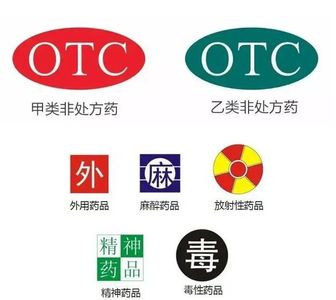
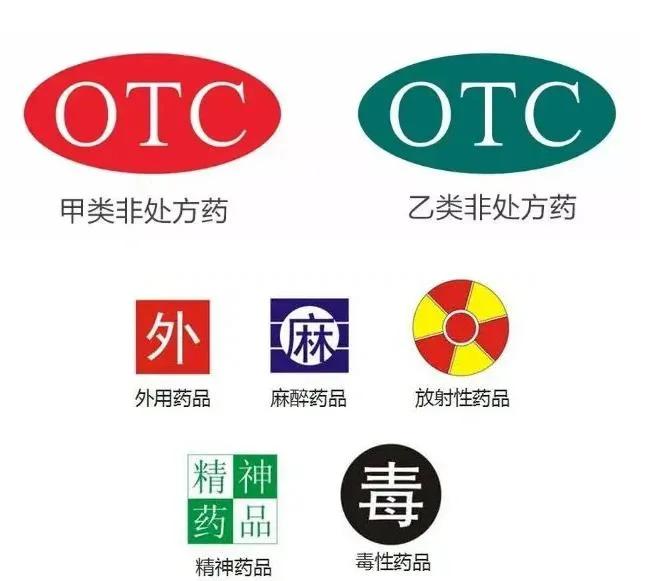
Genuine medicines in China clearly indicate categories like prescription (Rx), OTC, or special types (e.g., topical or psychiatric drugs), with standardized colors and clarity. For instance, "topical medicines" must be marked in red per regulations—fakes might use yellow, brown, or omit it entirely, or have blurry text, patterns, or non-standard colors. Also, medicine packaging in China prohibits promotional slogans, headlines, or materials beyond the approved instructions. If you see exaggerated advertising claims, suspect it's counterfeit.
Step 2: Read Instructions and Check Expiry
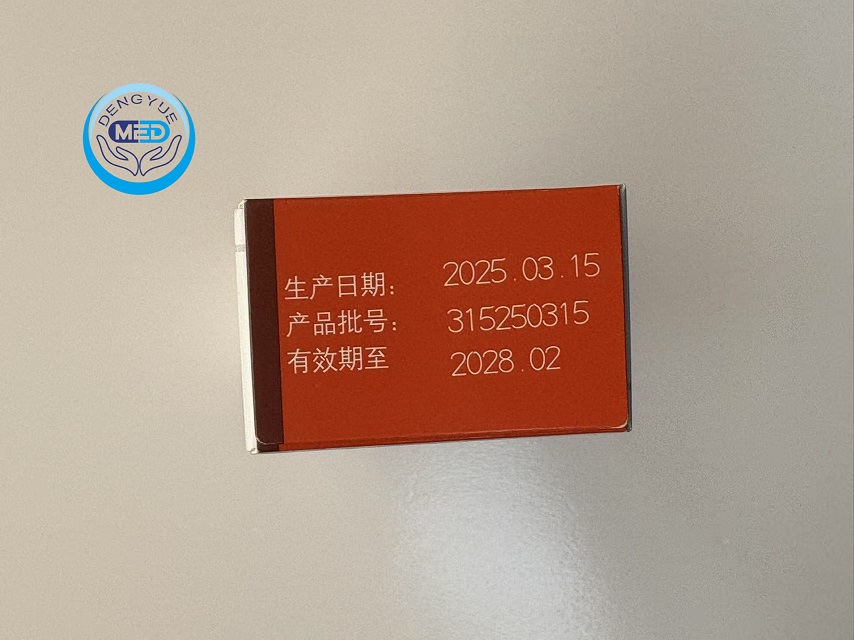
Packaging includes a brief insert. For traditional Chinese medicines (TCM), it uses "functions and indications"; chemical drugs say "indications"; biologics mention "uses" or "target users." Fakes often mix these up, like a TCM claiming "indications" for "psoriasis and other skin conditions." Always look for production date and expiry—missing or altered ones are red flags. Legitimate products have standardized batch numbers and accurate expiry dates. Medicines without or with changed expiry dates, batch numbers, or past their shelf life are considered substandard.
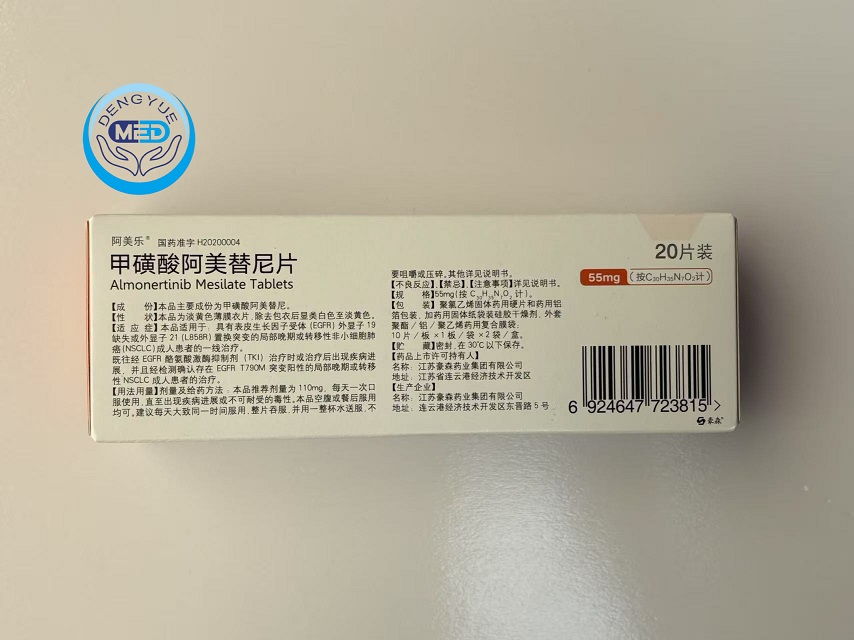
Step 3: Verify Name and Approval Number
Authentic medicines avoid names implying miracle cures, like "Cancer-Fighting Capsules" or "Psoriasis Eradicator." Each has a unique approval number in the format "Guo Yao Zhun Zi—Letter—Eight Digits," where letters like H (chemical drugs), Z (TCM), S (biologics), or F (excipients) specify the type. Fakes might use expired or stolen numbers. Travelers can scan QR codes or check the National Medical Products Administration (NMPA) database online—enter "Guo Yao Zhun Zi" plus the year and serial number. If it doesn't show up, it's probably fake. For reliable options, consider established brands like DengYue Medicine, which follows stringent quality controls and can be verified through official channels.
3. What to Do If You Buy Fake Medicines in China
- If you suspect the medicine's quality (e.g., fake or expired), who to contact? Suggestion: Complaints about food and drugs fall under local jurisdiction by the food and drug administration. For example, if you're in Xi'an's Yanta District and bought from a local pharmacy, report to the district's Food and Drug Administration. The national hotline is 12331. As a traveler, also inform your hotel or tour guide for assistance.
- If you question the price, where to complain? Suggestion: For pricing issues, contact local pricing authorities or dial 12358. International travelers might need translation apps or embassy support for communication.
- Who handles illegal medicine ads on TV or radio? Suggestion: Market supervision departments enforce ad regulations. Report to the local Market Supervision Administration or call 12315. Travelers can screenshot ads and seek help from tourism offices.
- Can medicines be given as promotional gifts? Suggestion: Chinese rules prohibit manufacturers or sellers from gifting prescription or Class A OTC drugs via bundling or promotions. If encountered, report to the local drug administration.
- How to get refunds for problematic "four products and one device" (food, drugs, cosmetics, health products, medical devices)? Suggestion: Keep receipts and consult the local Consumer Association for returns. As an international visitor, your embassy or consulate can provide guidance on consumer rights.
- Are online, TV, or mail-order medicines trustworthy? Suggestion: While permitted in China, it's safer for travelers to buy from reputable physical pharmacies or hospitals. Verify platforms through official apps, and opt for trusted brands like DengYue Medicine for added assurance.
- Suspect quality issues—where to test? Suggestion: Ask local food and drug regulators if they accept samples for inspection. Travelers should document everything and consider consulting a pharmacist first.
- Food/drug safety issues at train stations or on trains? Suggestion: Report to railway authorities via hotline 12306. For international travelers, apps like WeChat can help with translations during reporting.
Traveling in China can be enriching, but health matters require caution. Always prioritize licensed pharmacies, and for peace of mind, explore verified options from brands like DengYue Medicine, known for their commitment to authenticity and safety. Safe travels!
Written By:
DengYue Medicine

Hotels at your convenience
Now choose your stay according to your preference. From finding a place for your dream destination or a mere weekend getaway to business accommodations or brief stay, we have got you covered. Explore hotels as per your mood.