300 Hours Yoga Teacher Training in Rishikesh: Comprehensive Advanced Program
 Arti Kanwar
09 Mar, 2026
15 mins read
35
Arti Kanwar
09 Mar, 2026
15 mins read
35
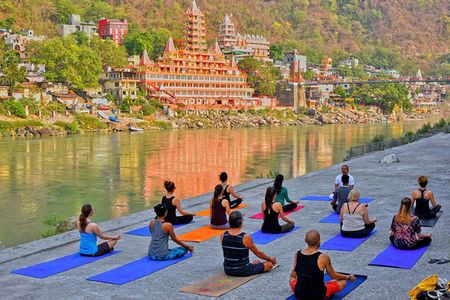
Yoga is much more than a form of physical exercise—it is a timeless discipline that nurtures the body, mind, and spirit. For those who have already completed a foundational 200-hour yoga teacher training and wish to deepen their understanding, a 300 Hours Yoga Teacher Training in Rishikesh offers the perfect opportunity to grow as both a practitioner and a teacher. Known as the yoga capital of the world, Rishikesh provides an inspiring and authentic environment where students can immerse themselves in advanced yogic knowledge.
A 300 Hour yoga teacher training program is designed to refine your teaching skills, expand your knowledge of yoga philosophy, and deepen your personal practice. This comprehensive advanced program allows practitioners to move beyond the basics and explore the deeper layers of yoga, including advanced asana techniques, anatomy, meditation, and spiritual philosophy.
Why Choose Rishikesh for Advanced Yoga Training?
Located in the foothills of the Himalayas and along the sacred Ganges River, Rishikesh has long been considered a spiritual hub. Yogis, sages, and spiritual seekers have traveled to this holy town for centuries to study yoga and meditation.
Practicing yoga in such a tranquil and spiritually rich environment creates a deeper connection to the practice. The peaceful surroundings, fresh mountain air, and the rhythmic flow of the Ganges help students focus inward and cultivate mindfulness.
Another reason why many aspiring teachers choose Rishikesh is the authenticity of its yoga traditions. Many training schools follow classical teachings derived from ancient yogic texts like the Yoga Sutras of Patanjali and the Bhagavad Gita. Learning in the birthplace of yoga adds a unique depth to the experience that cannot easily be replicated elsewhere.
Who Should Join a 300 Hour Yoga Teacher Training?
A 300 Hour yoga teacher training program is ideal for individuals who already hold a 200-hour certification and want to elevate their teaching skills. It is particularly suitable for:
Certified yoga teachers seeking advanced credentials
Practitioners who want to deepen their personal practice
Yoga instructors aiming to specialize in advanced techniques
Individuals interested in yoga philosophy, meditation, and holistic health
This advanced course is often the next step for teachers who wish to register as a 500-hour certified yoga teacher with organizations like Yoga Alliance.
Core Curriculum of the 300 Hour Training Program
A well-structured 300 Hour yoga teacher training program includes a wide range of subjects that build upon the foundational knowledge gained during the 200-hour course.
1. Advanced Asana Practice
In the advanced training, students explore complex postures and transitions with greater precision and awareness. Teachers guide students through:
Advanced backbends and inversions
Arm balances and strength-based postures
Alignment refinement
Injury prevention techniques
Students also learn how to safely guide others through these challenging postures while maintaining proper alignment.
2. Yoga Anatomy and Physiology
Understanding the body is essential for safe and effective yoga teaching. The anatomy portion of the program focuses on how muscles, joints, and the skeletal system work together during yoga practice.
Topics often include:
Functional movement patterns
Injury prevention and recovery
Therapeutic applications of yoga
The impact of breathing on the nervous system
This knowledge allows teachers to adapt classes for students of different body types and abilities.
3. Yoga Philosophy and Spiritual Studies
Yoga philosophy plays a significant role in advanced teacher training. Students explore classical teachings and philosophical texts that explain the deeper meaning of yoga.
Subjects typically include:
The eight limbs of yoga
Karma and dharma concepts
Meditation philosophy
Yogic lifestyle principles
By studying ancient wisdom, practitioners develop a deeper appreciation for yoga as a holistic path rather than simply a physical activity.
4. Pranayama and Breathwork
Breath is considered the bridge between the body and mind. In a 300 Hour course, students dive deeper into advanced breathing techniques such as:
Nadi Shodhana (alternate nostril breathing)
Kapalabhati (skull shining breath)
Bhastrika (bellows breath)
Learning how to guide pranayama sessions allows teachers to help students improve mental clarity, emotional balance, and physical vitality.
5. Meditation and Mindfulness
Meditation is a central element of authentic yoga practice. During advanced training, students learn various meditation styles that cultivate concentration and inner awareness.
These may include:
Guided meditation
Mantra meditation
Mindfulness practices
Silent meditation techniques
Regular meditation practice enhances emotional stability and deepens the spiritual aspect of yoga.
6. Teaching Methodology
Teaching yoga requires much more than demonstrating postures. The teaching methodology portion focuses on developing confident and effective instructors.
Students learn how to:
Design structured yoga classes
Provide clear verbal cues
Offer hands-on adjustments
Manage group dynamics
Adapt lessons for different experience levels
Through practice teaching sessions, students gain the confidence needed to lead classes independently.
A Typical Day During Training
Life during a 300 Hour yoga teacher training program is structured yet deeply rewarding. Most days begin early in the morning with meditation or pranayama, followed by an energizing yoga practice.
A typical schedule may include:
Morning meditation and breathing exercises
Asana practice session
Healthy yogic breakfast
Philosophy or anatomy classes
Afternoon teaching practice
Evening meditation or relaxation session
This balanced routine allows students to fully immerse themselves in the yogic lifestyle.
Personal Transformation Through Advanced Training
One of the most powerful aspects of the 300 Hour yoga teacher training is the personal transformation that many students experience. Spending several weeks focused on self-growth, mindfulness, and physical practice often leads to profound changes.
Participants frequently report:
Increased self-awareness
Greater physical strength and flexibility
Improved mental clarity
A deeper sense of purpose
The supportive environment created by teachers and fellow students encourages personal reflection and growth.
Career Opportunities After Completing the Course
Completing a 300 Hour yoga teacher training opens many professional opportunities. Graduates can expand their teaching careers by offering specialized classes and workshops.
Possible career paths include:
Teaching advanced yoga classes
Leading yoga retreats
Conducting workshops and teacher trainings
Offering private yoga sessions
Integrating yoga into wellness or therapy programs
Many graduates also combine their 200-hour and 300 Hour certifications to register as a 500-hour teacher with Yoga Alliance, which is recognized worldwide.
Written By:
Arti Kanwar

Hotels at your convenience
Now choose your stay according to your preference. From finding a place for your dream destination or a mere weekend getaway to business accommodations or brief stay, we have got you covered. Explore hotels as per your mood.