7 Ways Thai Massage Opens Tight Hips and Stiff Lower Back
 Giana Victor
15 Nov, 2025
12 mins read
241
Giana Victor
15 Nov, 2025
12 mins read
241
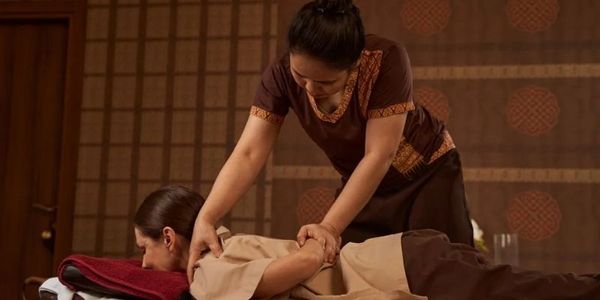
Thai massage carries a unique rhythm that blends movement, pressure, and mindful breath work. It is one of the few bodywork traditions that restores mobility not only through touch but through the elegant coordination of stretch and compression. When the hips feel locked or the lower back grows tight after long hours of sitting, this approach helps the body return to a more fluid, natural state. Many people turn to Thai massage when stretching at home no longer brings relief, when the pelvis feels restricted, or when the spine begins to lose its natural ease. Through its steady, intentional techniques, Thai massage helps release stiffness in a way that feels grounded, progressive, and deeply restorative.
Reawakening Motion in the Hips
Hip tightness often begins without dramatic signs. It builds gradually as the hip flexors shorten, the glute muscles weaken, and the surrounding fascia loses its elasticity. This results in a sense of heaviness or restriction that can pull the pelvis out of alignment and place additional strain on the lower back. Thai massage works directly with this interplay of muscles and connective tissues, guiding the body into positions that slowly reintroduce openness.
When someone visits a Thai Spa in Chennai for Thai Massage, the therapist uses gentle rocking motions to warm the tissues first. This rhythmic preparation allows the hips to soften and respond to deeper techniques. The therapist then applies sustained pressure to points around the pelvis and upper thighs, encouraging the body to release tension that has collected from repetitive movements and long periods of stillness. Each press invites the muscles to lengthen, not through force, but through steady coaxing that honors the body’s natural limits.
As the hips begin loosening, the breath deepens. This connection between breath and movement allows the body to feel more receptive to assisted stretches. The hip joints start to regain their natural glide, and the surrounding muscles feel less dense. When this layer of tension softens, the lower back immediately benefits, as the hips are responsible for much of the spine’s stability and fluidity.
The Power of Assisted Stretches
Assisted stretches are a defining element of Thai massage. They allow the body to explore a fuller range of motion than it can typically achieve on its own. The therapist moves with the client in a coordinated rhythm, guiding the legs, hips, and lower back through stretches that lengthen the muscles and fascia.
These stretches help undo the compression that builds around the pelvis. When the hip flexors relax and the inner thighs open, the lower back no longer compensates for their tightness. The pelvis sits more neutrally, and the spine gains freedom to move without strain. This increased mobility often brings immediate relief to people who experience a constant pulling sensation in the lower back.
The sustained nature of each stretch is key. Instead of quick movements, the therapist holds each position long enough for the tissues to yield naturally. This slow approach builds trust between the body and the technique, making it easier for deeper layers of tension to release. Over time, the hips begin to move with a softness that feels grounded rather than unstable.
Releasing Lower Back Stiffness Through Pressure and Compression
Stiffness in the lower back often results from overworked muscles trying to stabilize a pelvis that has grown tight or imbalanced. Thai massage addresses this by using targeted pressure along the spinal muscles, glutes, and sacrum. The therapist uses thumbs, palms, or forearms to apply compression that penetrates the deeper layers of tension.
This pressure does more than relieve stiffness. It rehydrates the tissues, encourages circulation, and awakens areas that have grown dull or inactive. When these muscles regain responsiveness, they no longer grip as tightly. The back begins to feel more spacious, and the body starts to move with greater ease.
The release created by compression allows the entire lower-back region to re-align. The spine lengthens, the hips settle into a more natural position, and the breath moves freely through the torso. This combination provides a foundation on which the rest of the treatment continues to build.
Integrating Mobility Through Breath-Guided Movement
Breath is a quiet but powerful companion in Thai massage. Each movement is guided by the client’s natural breathing rhythm. This connection ensures the body never feels pushed or strained. Instead, the muscles open at a pace that feels safe and sustainable.
When someone receives a Thai Massage in Velachery, the therapist synchronizes stretches and pressure with inhalation and exhalation. Breathing deeply during assisted stretches encourages the hips to release more efficiently, especially in areas where tension has been held for a long time. Exhalation becomes a cue for the body to soften, allowing the hips, lower back, and surrounding muscles to reorganize themselves with greater balance.
This breath-guided approach enhances the mobility gained during the session. It teaches the body to move without resistance, reinforcing the newfound freedom in the joints and fascia. Over time, this creates long-lasting change, as the nervous system begins to recognize ease as the new baseline instead of stiffness.
The Role of Gentle Rocking in Releasing Pelvic Tension
Rocking is one of the most soothing aspects of Thai massage. The therapist creates a flowing motion that travels through the hips and lower back, encouraging muscles and joints to release without conscious effort. This rhythmic movement mimics the gentle swaying the body remembers from early life, providing comfort and deep relaxation.
Rocking helps loosen fascia around the pelvis, which often becomes dense from long hours of stillness. As this tissue softens, mobility increases and the hips become more responsive to the stretching and pressure that follow. The lower back benefits as tension around the sacrum begins to dissolve, easing discomfort that often travels up the spine.
This technique is especially helpful for people whose bodies resist deep pressure. The rocking motion prepares the tissues in a subtle yet effective way, ensuring the release is smooth and integrated.
Opening the Side Body to Relieve Lower Back Stress
The side body influences hip mobility more than many people realize. When the muscles along the rib cage, waist, and outer hips tighten, they limit the pelvis’s ability to rotate and support the spine. Thai massage includes stretches that lengthen the side body, creating a sense of spaciousness around the hips and lower back.
As these areas open, the pelvis begins to move more freely. This allows the lower back to function without taking on unnecessary strain. Many people notice that their posture improves naturally after these stretches. The hips feel more grounded, the spine grows taller, and the breath flows more easily from the ribs down to the abdomen.
When the side body lengthens in harmony with the hips and thighs, the entire midsection becomes more fluid. This stability is both grounding and liberating, helping the body maintain ease throughout daily movement.
Restoring Harmony Between the Hips and Spine
The true power of Thai massage lies in its ability to bring the hips and spine back into harmony. These two regions constantly communicate through movement and posture. When one becomes stiff or imbalanced, the other compensates. Thai massage restores this relationship through a sequence of pressure, stretch, and rhythmic movement that helps each part of the body support the other again.
By the end of a session, many people describe feeling taller, more open, and deeply connected to their natural rhythm. The hips no longer feel locked, and the lower back moves with a quiet strength. Many clients at Le Bliss Spa share that Thai massage helps them rediscover ease in areas they once assumed would always feel tight.
The integration of assisted stretches, sustained pressure, and breath-centered techniques creates a lasting sense of fluidity. Mobility increases, stiffness dissolves, and the body relearns how to move with softness and stability.
Written By:
Giana Victor

Hotels at your convenience
Now choose your stay according to your preference. From finding a place for your dream destination or a mere weekend getaway to business accommodations or brief stay, we have got you covered. Explore hotels as per your mood.