9 Amazing Places to Visit in Benin in 2026: Your Ultimate West African Travel Guide
 Henryk Lassen
25 May, 2026
16 mins read
27
Henryk Lassen
25 May, 2026
16 mins read
27
Are you tired of tourist-heavy destinations and searching for an authentic, raw travel experience in 2026? If yes, Benin should be at the very top of your bucket list.

Often overlooked in favor of more famous African safari spots, this small, vibrant West African nation packs an incredible punch. It is the birthplace of Voodoo, the home of ancient kingdoms, and a place where you can transition from exploring a bustling market to relaxing on a wild, palm-fringed beach within an hour.
Before you pack your bags, let’s explore the nine best places you must visit in Benin, paired with practical travel advice to make your journey smooth and unforgettable.
1. What can you do in Cotonou, Benin’s gateway city?
Though Porto-Novo is the official capital, Cotonou is the beating, high-energy heart of Benin. It is almost certainly where your journey will begin, as it houses the country’s only international airport.
Cotonou is a sensory explosion. The air smells of sea salt, palm oil, and motor exhaust from the thousands of zemidjans (local motorcycle taxis) buzzing through the streets.
Must-See Highlights in Cotonou:
- Dantokpa Market: This is West Africa’s largest open-air market. It is massive, chaotic, and fascinating. You can buy everything here from colorful wax-print fabrics to hand-carved masks. Deep inside, you will also find the esoteric "Fetish Market," which sells traditional voodoo items.
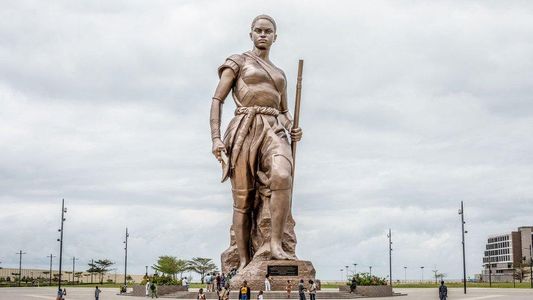
- Place de l’Amazone: Visit this public square to marvel at the towering bronze statue of the Dahomey Amazon. It is a stunning tribute to the legendary all-female military regiment that once defended the kingdom.
- Fidjrossè Beach: When the chaos of Cotonou gets too loud, head to Fidjrossè. It is the perfect strip of sand to watch local fishermen haul in their nets, grab a fresh coconut, or listen to live acoustic music at a beachfront shack.
2. Why is Ouidah known as the cultural and spiritual heart of Benin?
Located about 40 kilometers west of Cotonou, Ouidah is a quiet, laid-back coastal town with a heavy, deeply moving history. It was one of the most prominent ports in the transatlantic slave trade and remains the spiritual capital of the Voodoo (or Vodun) religion.
Key Experiences in Ouidah:
- The Slave Route (Route des Esclaves): This is a solemn 4-kilometer walk that retraces the final steps of millions of enslaved Africans. The trail begins at the old Portuguese fort and ends at the coast at the Door of No Return (La Porte du Non-Retour), a monument overlooking the Atlantic Ocean.
- The Temple of Pythons: This is a sacred Voodoo temple where dozens of live royal pythons are kept and revered. Visitors are allowed to enter, learn about the spiritual significance of the serpent, and even hold one of the placid snakes.
- The Sacred Forest of Kpassè: A mystical, shaded forest filled with ancient trees and hand-carved statues representing Voodoo deities. Local legend says King Kpassè transformed into an iroko tree here to escape his enemies.
Tip: If you visit in January, Ouidah hosts the famous national Voodoo Festival (usually on January 10th). It features mesmerizing drumming, dancing, and elaborate traditional costumes.
3. What is the best way to explore Ganvié, the 'Venice of Africa'?
Ganvié is easily one of the most unique settlements in the world. Built entirely on stilts over the waters of Lake Nokoué, just north of Cotonou, it is home to over 30,000 people.
The Story Behind the Stilt Village:
In the 1600s, the Tofinu people fled from the powerful Dahomey warriors who were hunting for captives to sell to European slave traders. Because the Dahomey’s religious beliefs forbade them from entering the water, the Tofinu built their homes directly on the lake.
Today, life in Ganvié still moves entirely by boat. Children row themselves to school in wooden pirogues (canoes), women run floating fruit and vegetable markets, and fishermen use traditional circular nets to catch tilapia.
The only way to explore Ganvié is by hiring a local wooden boat and guide from the pier in Abomey-Calavi. It is a serene, eye-opening look at human resilience and adaptation.
4. Why should you visit the historic Royal Palaces of Abomey?
If you want to understand the fierce, complex history of West Africa, you must head inland to Abomey. For nearly three hundred years, this was the capital of the Kingdom of Dahomey, one of the most feared and powerful military empires in African history.
What to Expect:
- UNESCO World Heritage Site: The earthen, mud-brick palaces of the Dahomey kings are beautifully preserved. While some sections were destroyed by fire during French colonization, the remaining buildings house the Abomey Historical Museum.
- Fascinating Royal Artifacts: Inside the museum, you will see actual thrones built on the skulls of defeated enemies, royal scepters, weapons used by the famous female Amazon warriors, and hand-woven tapestries that tell the bloody history of each king.
- The Sacred Courtyards: Walking through the quiet courtyards gives you a genuine sense of the spiritual power that the Dahomey kings held over their subjects.
5. Where can you find the best peaceful beaches in Benin?
If you need a break from the intense history and busy markets, make your way to Grand-Popo. Situated near the border of Togo, this sleepy coastal town offers the ultimate beach escape.
Why Grand-Popo is Special:
- Quiet Coastlines: Unlike the busy beaches of Cotonou, the golden sand beaches of Grand-Popo are largely empty. They are lined with coconut palms and simple, eco-friendly beach bungalows.
- The Mono River Lagoon: Just behind the beach lies the Mono River. You can hire a local boatman to take you through the peaceful mangroves. Along the way, you can watch salt-making demonstrations in local villages and spot rare coastal birds.
- A Laid-back Vibe: It is the perfect place to sit back, drink a glass of sodabi (local palm liquor), eat fresh grilled tilapia, and listen to the crashing waves of the Atlantic.
6. Is Pendjari National Park the best place for a West African safari?
When people think of safaris, they usually think of East or South Africa. However, northern Benin is home to Pendjari National Park, widely considered the best wildlife reserve in West Africa.
Wildlife in Pendjari:
Pendjari is part of the massive W-Arly-Pendjari (WAP) ecosystem. It is one of the last strongholds for West African lions, elephants, leopards, hippos, buffaloes, and over 400 species of birds.
Best Time to Visit:
The best time to plan your safari is during the dry season, from November to May. During these months, the vegetation thins out, and animals gather around the remaining waterholes, making them much easier to spot.
Note: Always check the latest local travel advisories and park conditions before heading to the far north of Benin, and hire a registered local guide for your safety.
7. Why is Natitingou the perfect base for exploring northern Benin?
Natitingou is the largest city in northwestern Benin. Tucked into the scenic Atakora Mountains, it has a completely different climate and culture compared to the humid, coastal south.
Things to Do in Natitingou:
- The Natitingou Museum: Housed in a French colonial-era building, this museum offers fantastic exhibits on the history, culture, and architecture of the northern tribes.
- Shea Butter Co-ops: The region surrounding Natitingou is famous for producing high-quality shea butter. You can visit local women's cooperatives to see how the shea nuts are harvested, crushed, and hand-processed into rich butter.
- Kota Waterfalls: Located just outside of town, these waterfalls are a beautiful, shaded spot to hike, swim, and have a quiet picnic away from the dusty roads.
8. What makes the Tata Somba mud houses in Boukoumbé so unique?
Just a short drive from Natitingou, near the Togo border, lies the rural area of Boukoumbé. This region is famous for the Tata Somba—the traditional, fortress-like mud homes built by the Ditammari (or Somba) people.
Inside a Tata Somba:
These are not just basic mud huts; they are beautifully engineered, two-story miniature castles.
- The Ground Floor: This dark, cool area is used to keep livestock safe at night and houses family shrines and cooking areas.
- The Upper Terrace: The top level is open to the sky and features small, round turrets with thatched roofs. This is where the family sleeps, dries grain, and stores their harvest.
- Defense Design: Historically, these houses were built to defend against slave raiders and wild animals. The small, low entrance and narrow stairs made it easy for a single family to defend their home.
Visiting a Tata Somba and meeting the welcoming Ditammari people is a deeply human experience that stays with you long after you leave Benin.
9. What are the top things to see in Porto-Novo, Benin's official capital?
To round out your trip, take a day to explore Porto-Novo, the official administrative capital of Benin. It is located just an hour's drive east of Cotonou but feels a world away in terms of pace.
Highlights of Porto-Novo:
- The Royal Palace (Honmè Museum): This was the residence of King Toffa, who signed the treaty establishing French colonial rule. The palace complex is built of red clay and showcases royal carriages, instruments, and photographs.
- The Great Mosque: Originally built as a Christian church by Afro-Brazilian returnees in the late 19th century, this colorful building was later converted into a mosque. Its architecture is incredibly unique, closely resembling the historic buildings of Bahia in Brazil.
- The Da Silva Museum: A quirky, private museum that celebrates the Afro-Brazilian heritage of Benin's coastal elite, offering a fascinating look at the cultural exchange between West Africa and South America.
What do you need to know before traveling to Benin in 2026?
Traveling in Benin is highly rewarding, but it requires some preparation. Here are a few essential tips to keep in mind:
- Language: French is the official language. While English is spoken in major hotels, learning basic French phrases and local greetings (like Awan in Fon) will go a long way.
- Currency: Benin uses the West African CFA Franc (XOF). Cash is king here. ATMs are common in Cotonou and Porto-Novo but scarce in rural areas, so always carry enough cash.
- Local Transport: For short trips in cities, look for zemidjans (motorcycle taxis wearing yellow or green shirts). For longer distances, shared bush taxis are the norm, or you can book rides via the Gozem app in Cotonou.
- Health: A Yellow Fever vaccination certificate is strictly mandatory to enter Benin. Make sure you also take malaria prophylaxis and carry bottled water.
- Cultural Respect: Always ask for permission before taking photos of people, and especially during voodoo ceremonies. It is customary to greet elders with a polite handshake and a slight bow.
How do you get a Benin visa for your 2026 trip?
Most international travelers need a visa to enter Benin. Fortunately, the government has simplified the process through an electronic visa system, meaning you do not need to mail your passport to an embassy.
To ensure you comply with all entry requirements and understand the different types of visas available, we highly recommend checking the Benin e-visa policy before submitting your application. Getting your paperwork sorted out early will leave you completely free to look forward to your West African adventure.
Why Choose Us for Your Travel Visa Needs?
Navigating international visa requirements can feel stressful, but it doesn't have to be. Let us handle the hard work so you can focus on planning your dream itinerary in Benin.
- Reliable Travel Visa Services Our global, customer-first approach has successfully helped thousands of travelers secure their travel visas without the headache of embassy appointments.
- Experienced Visa Consultants We don't leave your trip to chance. Our dedicated visa specialists review every single application thoroughly to ensure complete accuracy, maximizing your chances of a swift approval.
- Efficient Visa Application Process Say goodbye to confusing paperwork. Our highly simplified online form allows you to submit your Benin e-visa application in just a few minutes.
- Round-the-Clock Assistance We are always here when you need us. Our support experts are available 24/7, and we guarantee a response to any of your queries within 72 hours.
Written By:
Henryk Lassen

Hotels at your convenience
Now choose your stay according to your preference. From finding a place for your dream destination or a mere weekend getaway to business accommodations or brief stay, we have got you covered. Explore hotels as per your mood.