A Complete Guide to Italy’s UNESCO World Heritage Sites
 Jimmyy Williaam
16 Apr, 2026
10 mins read
214
Jimmyy Williaam
16 Apr, 2026
10 mins read
214
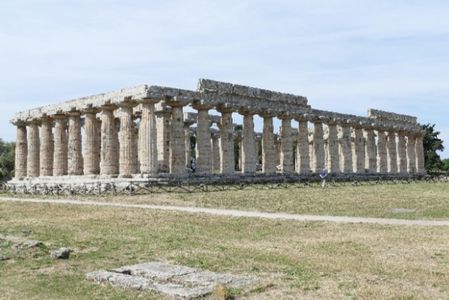
Italy stands among the world's most culturally significant countries and its UNESCO World Heritage Sites are living proof. With over 50 UNESCO-listed locations, Italy offers travelers an unparalleled journey through ancient ruins, Renaissance masterpieces, and breathtaking natural landscapes. This complete guide to UNESCO World Heritage Sites in Italy: Region by Region helps you plan a structured and rewarding trip through Italy's greatest treasures.
Whether you're a first-time visitor or returning for a deeper cultural experience, understanding Italy's UNESCO sites by region makes travel planning more practical and meaningful.
Northern Italy
Northern Italy combines breathtaking alpine scenery with some of Europe's finest art and architecture. This region is home to world-class cities and landscapes that have shaped Western civilization.
Lombardy — Milan's Renaissance Treasure
In the heart of Milan, Leonardo da Vinci's The Last Supper (1495–1498) remains one of the most visited and studied artworks in human history. Housed in the refectory of Santa Maria delle Grazie itself a UNESCO World Heritage Site this masterpiece rewards visitors who book tickets months in advance.
Visitor tip: Entry is strictly timed and limited to 15 minutes per group. Book at least 2–3 months ahead, especially for summer visits.
Veneto — The Floating City of Venice
Venice and its Lagoon is inscribed as a UNESCO World Heritage Site in its entirety canals, palaces, churches, and all. St. Mark's Basilica, the Doge's Palace, and the Rialto Bridge are must-see landmarks. Beyond the tourist trail, explore quieter neighborhoods like Cannaregio and Dorsoduro for a more authentic Venetian experience.
Piedmont — Vineyard Landscapes of Langhe-Roero
The rolling vineyard hills of Langhe-Roero and Monferrato are recognized by UNESCO for their outstanding cultural landscape and centuries-old winemaking tradition. This area produces world-famous Barolo and Barbaresco wines. Ideal for agritourism, cycling tours, and culinary exploration.
Central Italy
Central Italy is the beating heart of the Renaissance and medieval history. This region gave the world Dante, Michelangelo, and Raphael and their legacy is visible at every turn.
Tuscany — Florence, the Cradle of the Renaissance
The Historic Centre of Florence is a UNESCO World Heritage Site and one of the world's greatest open-air museums. The Duomo, Uffizi Gallery, Ponte Vecchio, and Piazza della Signoria represent centuries of artistic achievement. Florence rewards slow travel spend at least three to four days exploring its neighborhoods, museums, and hidden courtyards.
Lazio — Rome, the Eternal City
Rome's Historic Centre is among the most layered UNESCO sites on earth. The Colosseum, Roman Forum, Palatine Hill, Pantheon, and Vatican City are all within walking distance of each other. Rome also contains the Vatican, an independent state with its own UNESCO designation, home to St. Peter's Basilica and the Sistine Chapel.
Umbria — Assisi and the Green Heart of Italy
Often called "the green heart of Italy," Umbria offers a quieter alternative to Tuscany. Assisi, birthplace of St. Francis, is inscribed as a UNESCO site for its Franciscan basilicas, medieval architecture, and spiritual significance. The surrounding hills and olive groves make this region ideal for those seeking peace alongside history.
Southern Italy
Southern Italy is where ancient civilizations left their deepest marks. Greek temples, Roman cities, Norman cathedrals, and Baroque piazzas reflect a remarkable diversity of cultures that shaped this part of the Mediterranean world.
Campania — Pompeii, Herculaneum & Mount Vesuvius
The Archaeological Areas of Pompeii, Herculaneum, and Torre Annunziata form one of Italy's most extraordinary UNESCO sites. Buried by the eruption of Mount Vesuvius in 79 AD, these cities were preserved almost perfectly for nearly 2,000 years. Walking through Pompeii's streets is a genuinely moving experience. Roman homes, bakeries, temples, and even graffiti remain intact.
Apulia (Puglia) — The Trulli of Alberobello
The Trulli of Alberobello are among Italy's most distinctive UNESCO sites. These whitewashed stone houses with their conical limestone roofs date back to the 14th century and were originally built without mortar so they could be dismantled quickly to avoid taxation. Today, many trulli serve as guesthouses making Alberobello one of Italy's most unique overnight destinations.
Sicily — A Crossroads of Civilizations
Sicily holds multiple UNESCO designations reflecting its extraordinary cultural layering. The Valley of the Temples in Agrigento contains some of the best-preserved Greek temples in the world. The Late Baroque Towns of the Val di Noto showcase spectacular 18th-century reconstruction after a devastating earthquake. The Villa Romana del Casale near Piazza Armerina features the finest surviving Roman mosaic floors anywhere in the world.
Why Visit UNESCO Sites in Italy?
UNESCO World Heritage Sites are not simply tourist attractions, they are protected areas recognized for their outstanding universal value to humanity. Visiting them means experiencing authentic, preserved history while directly supporting conservation efforts through entrance fees and regulated tourism.
Planning your Italy trip around UNESCO sites also ensures you experience the country's most significant cultural and natural landmarks in an organized way rather than feeling overwhelmed by the sheer volume of things to see.
Practical Travel Tips
- Book tickets in advance: The Last Supper (Milan), Colosseum (Rome), and Uffizi Gallery (Florence) require advance reservations often weeks or months ahead during peak season.
- Travel off-season: April–June and September–October offer pleasant weather with significantly smaller crowds and lower accommodation prices.
- Respect site rules: Many UNESCO sites have strict dress codes, photography restrictions, and preservation guidelines. Ignoring these can result in fines or removal.
- Use Italy's train network: Trenitalia and Italo high-speed trains connect major cities efficiently. A rail pass can save considerable money on multi-city itineraries.
- Combine regions: Northern, Central, and Southern Italy each offer distinct experiences. Combining two or three regions in a single trip gives a much richer understanding of the country's diversity
Final Thoughts
Exploring Italy's UNESCO World Heritage Sites region by region transforms a holiday into something far more meaningful. From the floating city of Venice to the frozen-in-time streets of Pompeii, each site tells a story that no photograph can fully capture.
Italy is not simply a destination, it is a journey through human civilization. This guide to UNESCO World Heritage Sites in Italy: Region by Region ensures you encounter the country's most significant highlights, while leaving room for the unexpected discoveries that make travel in Italy so memorable.
Written By:
Jimmyy Williaam

Hotels at your convenience
Now choose your stay according to your preference. From finding a place for your dream destination or a mere weekend getaway to business accommodations or brief stay, we have got you covered. Explore hotels as per your mood.