A Transatlantic Guide to Life in Champaign, IL
 Griffiths Seren
29 Jan, 2026
7 mins read
75
Griffiths Seren
29 Jan, 2026
7 mins read
75
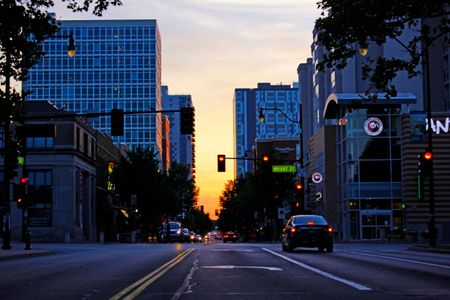
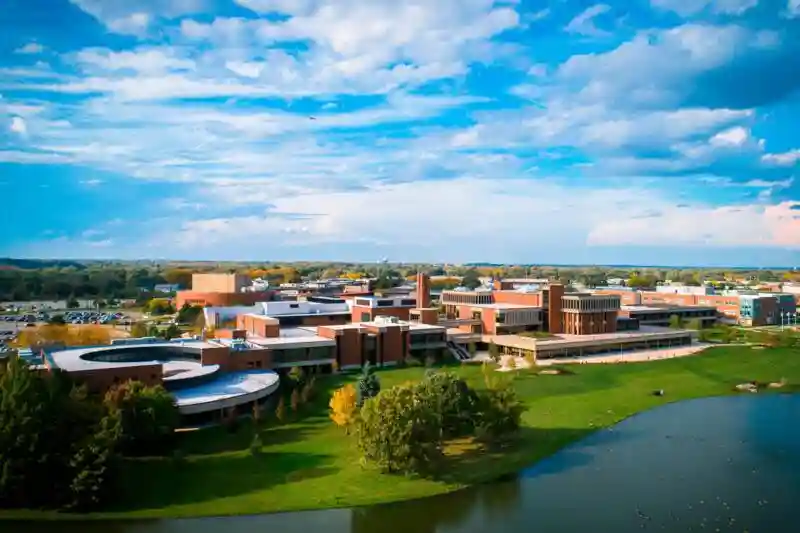
As someone who spends a significant portion of the year navigating the historic streets of European academic hubs, my first arrival in Central Illinois felt like a stark contrast. The "Silicon Prairie," as it’s affectionately known, is often reduced to its agricultural surroundings in popular imagination. However, once you step off the Amtrak or drive into the heart of Champaign-Urbana, you realize this isn't just a college town—it’s a sophisticated urban micro-hub that offers a lifestyle surprisingly similar to the vibrant districts of North London or Cambridge, albeit with more breathing room.
The Entertainment Pulse: From Art Deco to Indie Beats
For many newcomers, the biggest surprise in Champaign is the depth of its cultural scene. If you appreciate the historic cinema culture of the UK, you’ll find a spiritual home in Downtown Champaign. The crown jewel is undoubtedly the Virginia Theatre. This restored 1920s movie palace isn't just a relic; it’s the heartbeat of the city’s entertainment, hosting everything from the Ebertfest (Roger Ebert’s Film Festival) to touring Broadway acts and indie concerts.
Just a few blocks away, the nightlife shifts from the cinematic to the artisanal. The local brewery culture here rivals anything I’ve seen in East London. Spots like The Blind Pig Brewery offer a cozy, tavern-like atmosphere where the conversation is as heavy as the stout. For a more contemporary vibe, the Pour Bros. Craft Taproom near the central plaza provides that "pour-your-own" experience that has become a staple of Midwestern social life.
Shopping and the "Green Street" Ecosystem
When it comes to shopping and daily life, Champaign operates in two distinct modes. On one hand, you have the Market Place Mall on the northern edge of the city, providing the standard American retail experience with all the major brands. But for those who prefer curated, independent boutiques, the intersections of Neil and Main Streets are where the city truly shines.
However, the most fascinating transformation is found on Green Street. This is the city’s commercial artery, connecting the university core to the residential districts. Over the last decade, Green Street has evolved from a simple student strip into a global culinary corridor. Here, you can find authentic Korean BBQ, Sichuan peppercorn-laden hot pots, and Middle Eastern street food all within a five-minute walk. It reflects the international demographic of the region—a cosmopolitan blend that makes the shopping and dining experience feel much larger than the town’s population would suggest.
The Art of Settling In: Urban Evolution
One of the most common questions I see in relocation forums is how to balance "living in the action" with "quality of life." In traditional European cities, you often have to sacrifice space for location. In Champaign, the urban planning has pivoted toward a more modern, integrated approach.
The city has seen a massive influx of investment into its central infrastructure. As a writer documenting the logistics of relocation, I’ve noticed that the "commuter" lifestyle is being replaced by a desire for high-density, walkable living. The trend isn't just about finding a roof over your head; it’s about accessibility to the tech hubs and the entertainment districts.
This shift is most visible in the residential sector. As the Research Park expands and the university attracts more global talent, the growing volume of curated listings on platforms like uhomes highlights how the demand for sophisticated student apartments in Champaign, IL, has reshaped the skyline of the campus-town border. These modern developments are no longer the cramped dormitories of the past; they are designed as lifestyle hubs, often featuring rooftop lounges, high-speed fiber optics, and immediate proximity to the transit lines that link the entire twin-city area. For a professional or a researcher moving from a coastal city, this localized urban density provides a seamless transition without the need for a car-dependent lifestyle.
A Community of "Town and Gown"
What makes Champaign feel "real" for a forum contributor is the genuine harmony between the university and the permanent residents. This isn't a "dead" town during the summer months. The Urbana Market at the Square (just a short hop from Champaign’s core) remains one of the best farmers' markets in the Midwest, drawing thousands for local produce, handmade crafts, and live bluegrass music.
Whether you are browsing the vinyl at Exile on Main St or grabbing a late-night coffee at Espresso Royale, the city offers a sense of belonging that is often missing from larger metropolises. It’s a place where you can have a world-class education, a high-tech career, and a Saturday night at a historic theatre, all within a ten-block radius.
For those planning a move or just visiting, my advice is simple: look past the cornfields. The soul of Champaign is found in its small businesses, its historic stages, and the increasingly sophisticated ways it houses its growing, global community.
window.NREUM||(NREUM={});NREUM.info={"beacon":"bam.nr-data.net","licenseKey":"NRJS-3109bb2e2783f515265","applicationID":"558315209","transactionName":"blUHbEVQCxECBUVQWVcfMEpeHhARBhRCFlRVXwIXVEMAAxcDU1VZXh4VUEc=","queueTime":0,"applicationTime":178,"atts":"QhIEGg1KGB8=","errorBeacon":"bam.nr-data.net","agent":""}
Written By:
Griffiths Seren

Hotels at your convenience
Now choose your stay according to your preference. From finding a place for your dream destination or a mere weekend getaway to business accommodations or brief stay, we have got you covered. Explore hotels as per your mood.