Adventure Awaits in the Aravallis: Inside the Amagarh Leopard Safari Trail
 Palakshi Meharwal
11 Nov, 2025
9 mins read
78
Palakshi Meharwal
11 Nov, 2025
9 mins read
78
Unveiling the Wild Heart of Jaipur
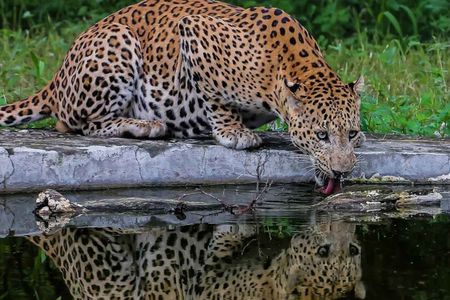
When people think of Jaipur, they imagine grand forts, pink-hued palaces, and bustling bazaars echoing with history. But hidden within the folds of the Aravalli Hills lies a different side of the city — raw, untamed, and thrilling. Welcome to the Amagarh Leopard Safari, a wilderness escape that blends the charm of Rajasthan’s landscapes with the excitement of spotting leopards in their natural habitat.
Just a short drive from the city center, the Amagarh Leopard Reserve offers travellers an opportunity to explore nature beyond the Pink City’s royal façades. Here, time slows down, birds sing their ancient songs, and if you’re lucky, a leopard might just saunter across your path.
The Amagarh Experience: Where Adventure Meets Serenity
Unlike the crowded tourist circuits, the Amagarh Leopard Safari offers a quieter, more intimate wildlife experience. Spread across the rugged terrain of the Aravallis, this reserve is home to leopards, hyenas, desert foxes, and over 100 species of birds.
As your jeep bounces over rocky trails and the morning mist slowly lifts, you’ll feel the true essence of adventure. The terrain, with its thorny scrub, rocky outcrops, and ancient ruins, paints a perfect picture of Rajasthan’s raw wilderness. The experience is both thrilling and soothing — a beautiful paradox that makes Amagarh stand out from any other safari in the region.
Local guides, often natives of nearby villages, narrate fascinating tales of the forest’s history and wildlife behavior. Many of them have grown up tracking leopards here, and their keen eyes can spot a movement in the bushes long before you can.
A Brush with History: The Enigmatic Amagarh Fort
What sets the Amagarh Safari apart is its unique combination of nature and heritage. Within the reserve stands the Amagarh Fort, a centuries-old structure believed to have been built during the reign of the Kachwaha rulers. The fort, partly reclaimed by nature, offers panoramic views of the Aravallis and the city beyond.
After your safari, take a short hike to explore this fort — its weathered walls, secret passages, and tranquil surroundings make it a photographer’s paradise. The blend of history and wilderness gives the Amagarh experience a dimension few other safaris can match.
Nearby attractions like Galta Ji (the Monkey Temple) and Sisodia Rani Garden add cultural charm to your itinerary, making the trip both adventurous and enriching.
When to Go: The Best Time to Visit Amagarh Leopard Safari
The best time to embark on the Amagarh Leopard Safari is between October and March, when Jaipur’s weather is pleasantly cool and visibility is excellent for wildlife spotting. Early mornings and late afternoons are ideal for safaris, as leopards are most active during these hours.
If you’re planning a summer visit (April–June), be prepared for scorching temperatures. However, the heat also increases your chances of leopard sightings, as they often come out in search of water. Carry plenty of hydration, sunscreen, and light cotton clothes. During the monsoon (July–September), the Aravallis turn lush and green, offering breathtaking scenery — though safari operations may be limited depending on rainfall.
Getting There: How to Reach the Amagarh Leopard Reserve
Reaching Amagarh is effortless — another reason it’s becoming a must-visit for wildlife lovers in Rajasthan.
The reserve is located about 12 km from Jaipur city center, near Galtaji. You can hire a cab or drive via the Agra Road in under 30 minutes. For those arriving from outside Jaipur, the Jaipur International Airport (around 18 km away) and the Jaipur Railway Station (about 14 km away) are the nearest major transport hubs.
Once you arrive, the safari organizing office helps arrange your jeep ride, guide, and necessary permits. It's recommended to book your safari slots online or through authorized operators, especially during weekends and holidays.
Crafting the Perfect Itinerary: What Else to Explore Nearby
A day at Amagarh fits seamlessly into a broader Jaipur itinerary. You could start with an early morning safari, enjoy a heritage breakfast at a local café, and then spend your afternoon exploring the Amber Fort or Nahargarh Fort, both less than an hour away.
If you’re staying longer, consider adding a half-day visit to Jhalana Leopard Safari, another wildlife reserve in Jaipur, to compare the two experiences. While Jhalana is better known, Amagarh offers a fresher and less commercialized alternative — perfect for travellers seeking solitude and authenticity.
Adventure seekers can also indulge in nearby trekking trails around Galta Ji or simply unwind at Sisodia Rani Garden, soaking in the royal charm and natural beauty that define Jaipur.
Practical Tips: Safety & Local Insights
For accommodation, you’ll find plenty of options — from budget guesthouses in Galtaji to boutique heritage stays in central Jaipur. If you’re traveling on a tighter budget, consider staying in MI Road or Raja Park, both well-connected to the reserve.
Safety is paramount in any wildlife area. Always stay inside the vehicle during safaris, keep noise minimal, and follow your guide’s instructions. Respect the animals’ space — remember, you’re a guest in their home.
Locals recommend carrying binoculars, a good camera lens, a hat, and insect repellent. And don’t forget to grab some chai at a roadside stall after your safari — nothing beats the taste of hot tea after a morning in the wild.
Why Amagarh Deserves a Spot on Your Travel Bucket List
The Amagarh Leopard Safari isn’t just about spotting big cats; it’s about reconnecting with nature and rediscovering the forgotten corners of Jaipur. It’s where adventure meets tranquility, where every sunrise paints a new story across the hills, and where you can still feel the heartbeat of Rajasthan’s wild soul.
Whether you’re a nature enthusiast, a photographer, or simply someone seeking a break from city life, Amagarh offers an experience that feels raw, real, and deeply rewarding.
Written By:
Palakshi Meharwal

Hotels at your convenience
Now choose your stay according to your preference. From finding a place for your dream destination or a mere weekend getaway to business accommodations or brief stay, we have got you covered. Explore hotels as per your mood.