Amagarh Leopard Safari: A Blend of Nature, History, and Adventure
 Palakshi Meharwal
10 Sep, 2025
6 mins read
47
Palakshi Meharwal
10 Sep, 2025
6 mins read
47
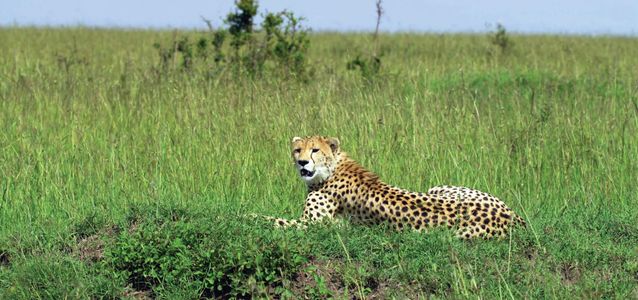
Nestled on the eastern edge of Jaipur, the Amagarh Leopard Safari adventure offers a rare opportunity to witness wildlife in its natural habitat while being surrounded by centuries of history. This unique experience combines the thrill of spotting elusive leopards with the cultural richness of Rajasthan, making it a must-visit destination for both adventure seekers and history enthusiasts.
The Allure of Amagarh Leopard Safari
Unlike traditional tiger reserves, Amagarh provides a more intimate safari experience. Spread across the Aravalli hills, the terrain here is rugged yet enchanting, with rocky outcrops, dense vegetation, and hidden waterholes that attract a variety of species. The star attraction is, of course, the leopard. Known for its stealth and grace, the leopard thrives in this semi-arid landscape, and sightings here are relatively frequent compared to other regions.
In addition to leopards, visitors may encounter hyenas, jackals, desert foxes, and a wide variety of birdlife, including peafowls, partridges, and eagles. This rich biodiversity highlights the ecological importance of Amagarh as a protected natural habitat.
Historical Significance of Amagarh
What sets Amagarh apart from other wildlife destinations is its deep connection to Rajasthan’s history. The safari area surrounds the Amagarh Fort, a centuries-old structure originally associated with the Meena community before being reinforced during the reign of Maharaja Sawai Jai Singh II. Perched atop a hill, the fort provides panoramic views of the surrounding landscape and serves as a reminder of Jaipur’s layered cultural heritage.
Exploring the fort alongside the safari gives visitors a chance to appreciate how history and nature intertwine. The stone walls, ancient temples, and vantage points inside the fort reflect not just architectural prowess but also the strategic significance of the site in earlier times.
Adventure Meets Conservation
Beyond the thrill of adventure, the Amagarh Leopard Safari plays a crucial role in wildlife conservation. With increasing urbanization around Jaipur, habitats of wild species are under threat. By designating Amagarh as a leopard reserve, authorities have created a safe corridor that allows these animals to coexist with human activity. Safari operations are carefully managed to ensure minimal disturbance to wildlife while also generating awareness among visitors about the need for conservation.
Eco-tourism initiatives here aim to balance sustainability with exploration. Trained naturalists accompany visitors on safaris, offering insights into animal behavior, local flora, and ecological challenges. This makes the safari not just an adventure but also an educational journey.
Best Time to Visit
The best season for the Amagarh Leopard Safari is from October to March, when the weather in Jaipur is pleasant and animals are more active during daylight hours. Early mornings and late afternoons are considered prime times for leopard sightings. Summers, while hotter, still provide opportunities for wildlife viewing as animals often gather near water sources.
Planning Your Visit
- Location: Amagarh Leopard Safari is located approximately 10 kilometers from Jaipur city center, making it easily accessible by road.
- Safari Timings: Safaris are generally conducted twice a day — in the early morning and late afternoon
- Entry and Permits: Online booking is recommended through the official Rajasthan Forest Department website to secure slots in advance.
- Duration: Each safari lasts around 2.5 to 3 hours, offering ample time to explore the trails and enjoy the landscape.
A Unique Jaipur Experience
What makes the Amagarh Leopard Safari truly special is its ability to cater to diverse interests. For wildlife enthusiasts, it’s a chance to photograph leopards in their natural setting. For history buffs, the nearby Amagarh Fort adds cultural depth. And for those seeking an offbeat adventure close to Jaipur, it provides a refreshing alternative to more crowded tourist attractions.
By blending nature, history, and adventure, Amagarh stands as a symbol of Rajasthan’s evolving approach to tourism — one that values heritage while safeguarding the environment. Whether you are a seasoned traveler or a first-time visitor, this safari promises an unforgettable experience.
Written By:
Palakshi Meharwal

Hotels at your convenience
Now choose your stay according to your preference. From finding a place for your dream destination or a mere weekend getaway to business accommodations or brief stay, we have got you covered. Explore hotels as per your mood.