Apply Philippines e-Visa from Greece
 Benjamin Cooper
25 Oct, 2025
22 mins read
158
Benjamin Cooper
25 Oct, 2025
22 mins read
158
If you're holding a Greek passport and planning a tropical escape, you’ve probably come across the term Philippines eVisa. Whether you’re dreaming of palm-lined beaches in Palawan, vibrant city streets in Manila, or a laid-back island-hop off Cebu, knowing how to Apply Philippines e-Visa from Greece and what it entails can make all the difference in getting your getaway off to a smooth start. While travellers from Greece enjoy favourable entry perks for short stays in the Philippines, it’s always wise to be fully informed about all the options—especially when things change in travel regulations. In this guide, I’ll walk you through everything a Greek citizen needs to know: from different Philippines eVisa types to step-by-step instructions, document prep, travel advice and post-arrival tips.
Why Greek Travellers Prefer the Philippines e-Visa
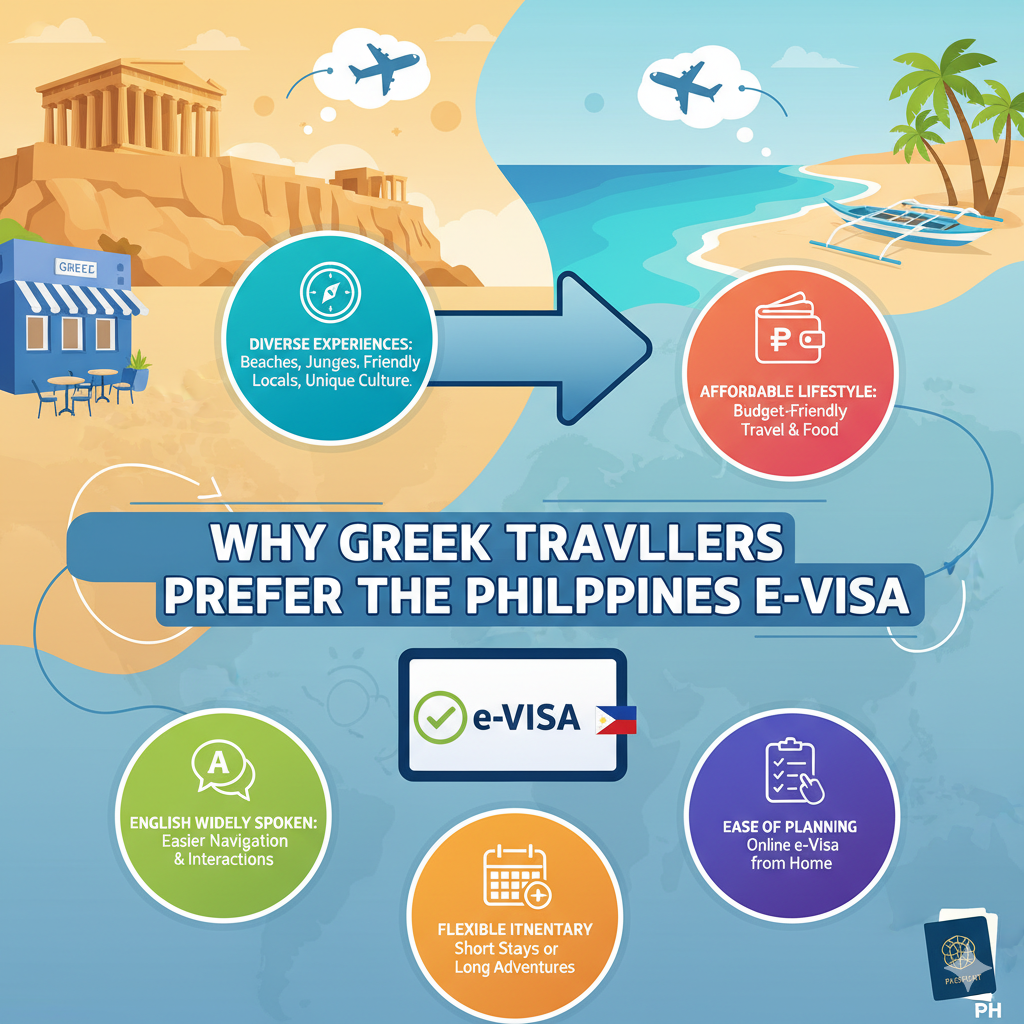
Imagine swapping Athens’ historic skyline for the turquoise waters of Boracay, or trading Thessaloniki’s cafes for Cebu’s seafood by the sea. Many Greek travellers are drawn to the Philippines for:
- Diverse experiences: Beautiful beaches, lush jungles, friendly locals and unique culture.
- English widely spoken: Makes navigation, dining and local interactions easier.
- Affordable lifestyle: Once you land, the cost of local travel, food and experiences is often gentle on the wallet.
- Ease of planning: With online options like the Philippines eVisa (for eligible nationalities), much of the pre-travel paperwork can happen from your home.
- Flexible itinerary potential: Whether you’re after a short city stay or a longer island adventure, the Philippines offers something for everyone.
For Greek citizens, it’s especially appealing because you don’t always need to jump through extreme hoops just to visit for tourism. In fact, Greece is included in certain visa-exempt categories under Philippine regulations. That said, knowing the nuances around the Philippines eVisa and when you might need one remains very helpful.
Philippines e-Visa for Greek Citizens: Everything You Need to Know
What is the Philippines eVisa?
The Philippines eVisa is an electronic travel authorisation system that allows eligible foreign nationals to apply online for permission to enter the Philippines without needing to physically visit an embassy or consulate. It is part of the country’s move toward digital entry systems.
Are Greek citizens eligible to use it?
Here’s where it gets a bit nuanced for travellers from Greece:
- Greek passport holders are on the list of nationalities that can enter the Philippines visa-free for a stay of up to 30 days under Executive Order No. 408.
- This visa-free entry means that for short stays, you might not need the Philippines eVisa at all.
- The system for applying the Philippines eVisa (for other nationalities) is online and handled remotely in certain locations; however, not every country has automatic access to all e-visa categories at all times. Several travellers note no option present for certain nationalities.
- If you intend to stay longer than 30 days, undertake special activities (study, work, volunteer), or need a specific category beyond the standard tourist stay, then applying via the eVisa route or through traditional methods may become relevant.
What are the Philippines eVisa types?
When you explore the concept of Philippines eVisa types, think of them as different categories tailored to purpose of travel—tourism, business, transit, etc. While detailed public info might be limited for all countries, typical examples include:
- eVisa for tourism or leisure travel
- eVisa for business visits
- eVisa for medical or special treatment
- Transit eVisa:
For Greek travellers, since short-term tourism stays up to 30 days are covered by the visa-free policy, many won’t need to choose a formal eVisa type. But it’s wise to know about the other types in case your trip involves something more than basic sightseeing.
Stay duration and entry notes
- With visa-free access, Greek citizens may stay in the Philippines for up to 30 days, provided they fulfill certain conditions (passport validity, onward ticket, etc.).
- If you arrive planning to stay longer, you’ll want to look into extension options or apply beforehand under a different travel category.
- If you do opt for the Philippines eVisa route for a longer stay or special type, make sure the category you choose matches your itinerary and reason.
Step-by-Step Process to Apply Philippines e-Visa from Greece Online
If you determine that your travel scenario requires applying for Philippines eVisa (rather than simply relying on the visa-free entry), here’s a step-by-step guide that you can follow. Even if you don’t end up needing it, this helps you understand the system.
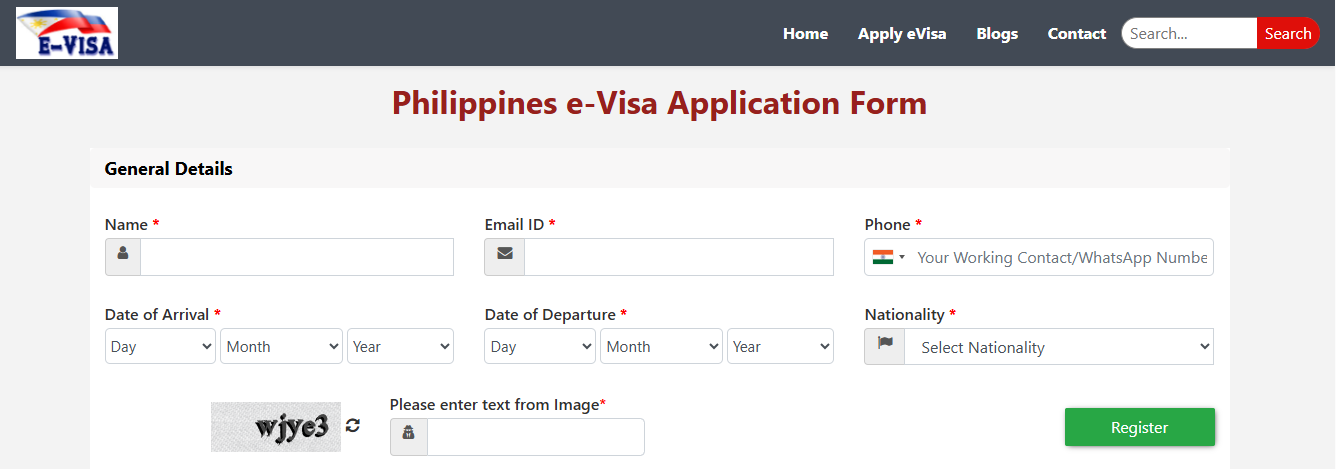
Step 1: Check eligibility & pick the right category
- Confirm that your reason for travel aligns with the chosen eVisa type (tourism, business, medical, etc.).
- Verify that Greece is eligible for that particular type (there may be country-specific restrictions).
- Decide your intended length of stay and whether the visa-free coverage (30 days) sufficiently meets your plans; if not, opt for the eVisa route.
Step 2: Gather your documents
Prepare digital copies and originals of required items. Typical requirements may include:
- Valid Greek passport with at least six months validity beyond your date of entry.
- A recent color passport photo.
- Proof of your travel plan: round-trip ticket or onward ticket.
- Proof of accommodation in the Philippines (hotel booking, host address).
- Proof of financial means to cover your stay.
- Travel itinerary showing your planned activities in the Philippines.
- If you are staying longer or using a special travel purpose (volunteer, business), additional forms may apply.
Step 3: Complete the online application
- Visit the application portal (for your category) and fill in all required fields truthfully.
- Upload scanned documents where requested.
- Double-check names, passport number, dates: any typo can create delays.
Step 4: Submit and wait for processing
- After submission, you’ll receive a confirmation via email.
- Processing times vary depending on category and workload.
- You may receive the eVisa document electronically (PDF) or a reference number to present at arrival.
Step 5: Print your eVisa and keep digital copy
- Once approved, print a hard copy of your eVisa approval and keep a digital copy on your phone.
- Attach that to your travel documents.
Step 6: Travel to the Philippines
- On arrival at a Philippine port of entry, present your Greek passport, printed eVisa approval (if required), onward ticket, and proof of funds/accommodation.
- The immigration officer will admit you for the period granted; you can then begin your holiday!
Note: If you qualify for visa-free entry as a Greek citizen, you may go through the standard immigration lines instead of presenting a separate eVisa. But having all documentation handy is wise.
Essential Documents to Apply Philippines e-Visa from Greece
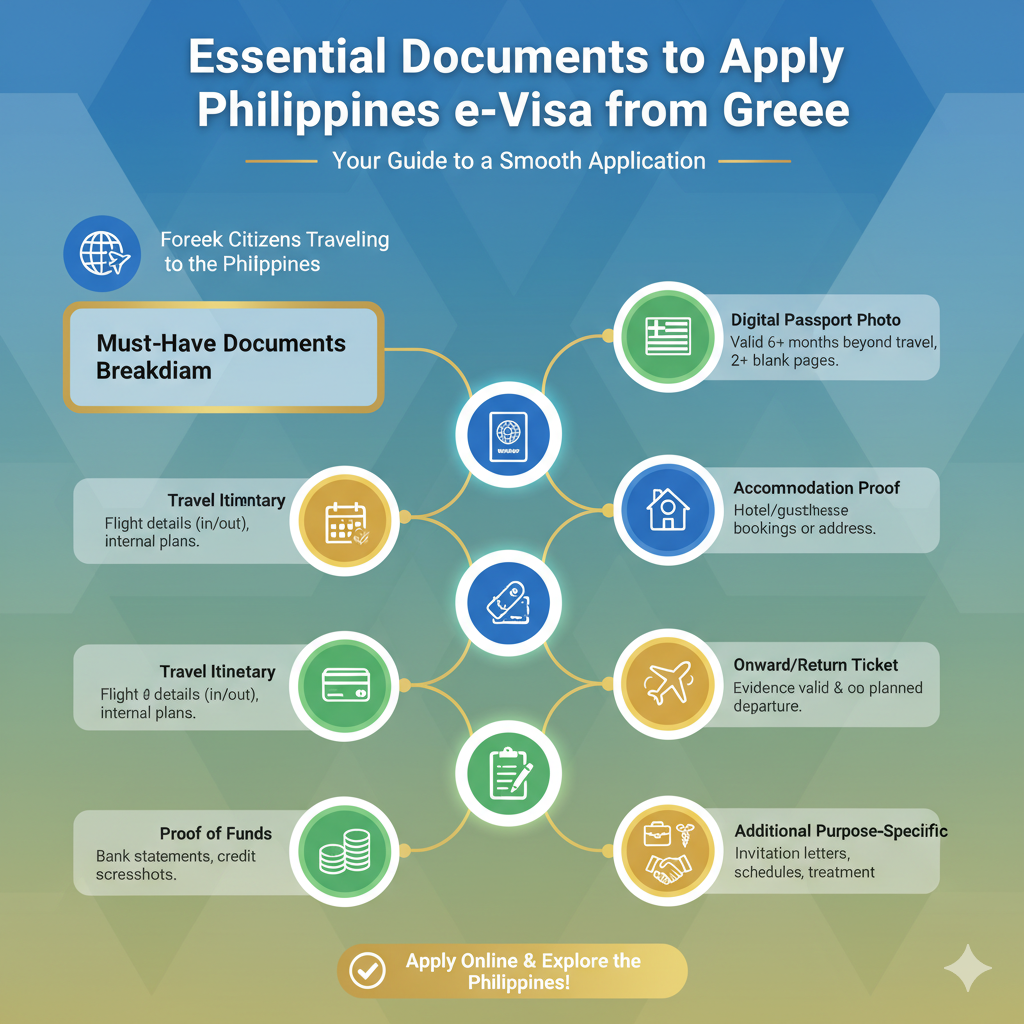
For clarity, here’s a breakdown of the must-have documents requirements for the Philippines eVisa when you plan to Apply Philippines e-Visa from Greece:
- Passport: Greek passport valid for at least six months beyond your travel date, with at least two blank pages.
- Digital Passport Photo: Usually in JPEG format, meeting the accepted dimensions.
- Travel Itinerary: Your flight details (in & out) plus internal travel plan in the Philippines.
- Accommodation Proof: Confirmed hotel or guesthouse bookings, or written address if staying with family/friends.
- Proof of Funds: Bank statements, credit card screenshots, etc. to show you can support your stay.
- Onward/Return Ticket: Airlines and border control like to see that you plan to leave the Philippines after your visit.
- Additional Purpose-Specific Documents: If you’re visiting for business, medical reasons, or volunteering, you may need invitation letters, schedules, or treatment details.
- Completed eVisa Application Form: All fields must be valid and correspond to your passport and travel plan.
Tip: Organise your documents in a folder and label them clearly—this helps if you get asked for a digital link or need to show anything at the airport.
Benefits of Applying for a Philippines e-Visa Online
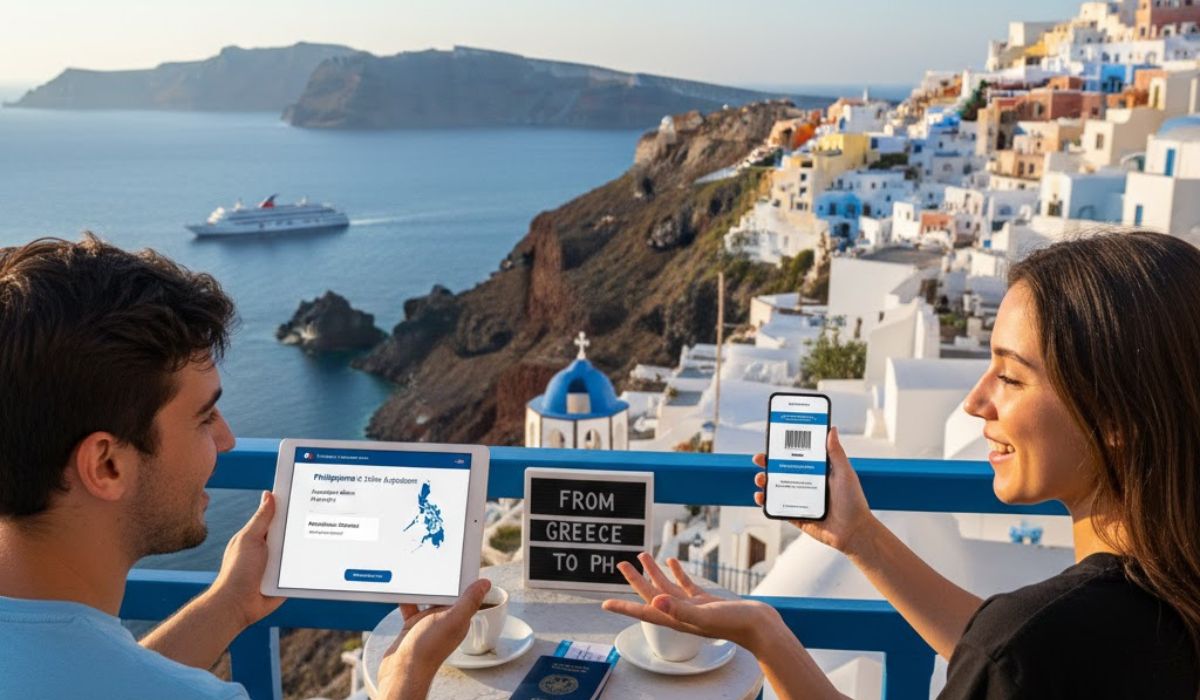
Choosing the online route to apply for the Philippines eVisa (where applicable) has several advantages:
- Convenience: You can apply from Greece without having to visit a consulate.
- Faster processing: Digital systems often have quicker turnaround.
- Clarity of status: You receive a confirmation document that clearly states your permission to travel.
- Reduced paperwork on arrival: With everything pre-approved, you’re less likely to face last-minute checks.
- Ability to plan for longer stays or special travel types: If your trip is more than a simple tourist visit, the eVisa route can cover more complex scenarios.
Even though Greek passport-holders often enjoy visa-free entry for 30 days, having the eVisa option offers flexibility if your journey extends beyond typical tourist stay or includes activities beyond leisure.
Can I Enter the Philippines with a Schengen Visa?
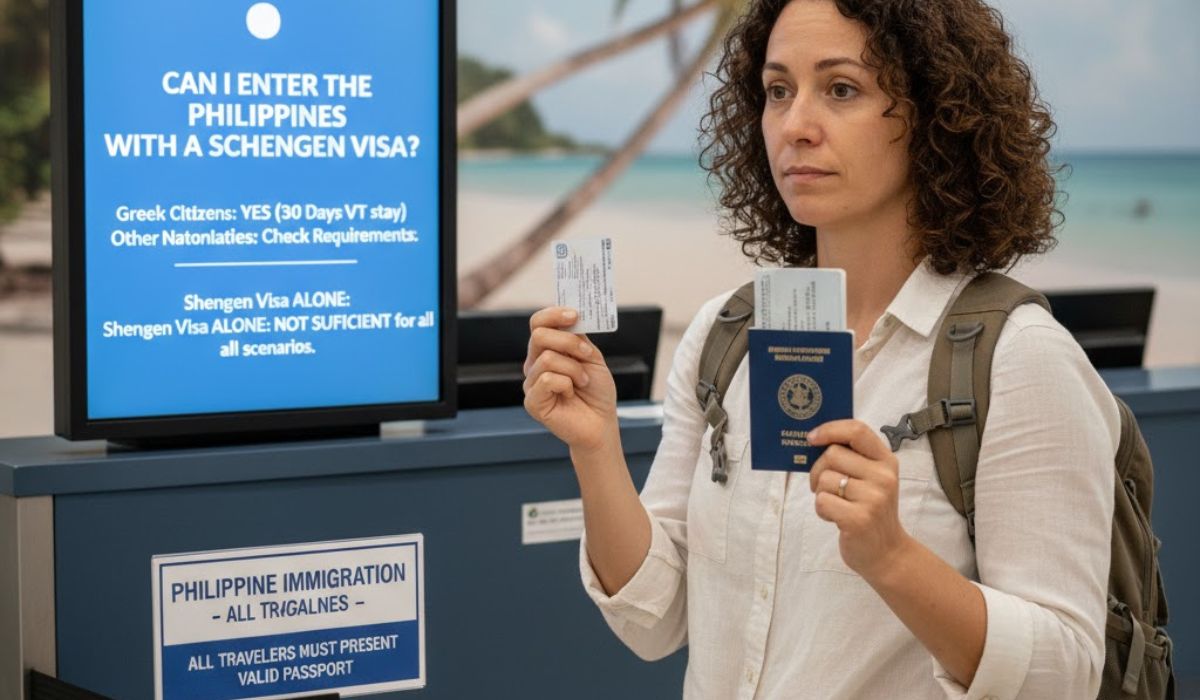
Here’s an important question: if you hold a valid Schengen Visa (which you do as a Greek citizen) or residence permit, does that automatically ease your travel to the Philippines? The short answer: no, not directly.
- The Philippines has its own rules for entry, separate from the Schengen zone.
- For many nationalities, holders of certain visas/residence permits from countries like the US, UK, Australia, Canada, Schengen countries, Singapore may be eligible for visa-free or simplified entry.
- However, because Greece is already included in the list of countries eligible for visa-free entry up to 30 days under Executive Order 408, the logic is somewhat inverted: your Greek passport gives you that benefit, not just the Schengen visa.
- But if you plan a stay longer than 30 days or your purpose is not typical tourism, relying on a Schengen visa alone is not sufficient—you’ll want to follow the eVisa or local permission process.
In summary: Yes, your status as a Greek citizen greatly helps. But don’t assume your Schengen visa or permit alone is enough for all Philippine travel scenarios. Always check the specific requirements.
How to Track Your Philippines e-Visa Application from Greece

Once you’ve submitted your application for the Philippines eVisa, you’ll want to stay on top of it to avoid pre-travel stress. Here’s how:
- After submission you will receive a reference or application number; keep it safe.
- Regularly check your email (including spam folder) for updates or requests for additional documentation.
- Some portals provide a tracking link where you enter your reference number and check application status.
- If no portal is available, contact the help or support line of the eVisa system—some mention that delays or missing options can occur.
- Once approved, download/print the confirmation and keep both digital and physical copies.
- Ahead of departure, ensure you have the printout and that your passport details match the application.
Tip: Track at least 1 week before departure so if any issue arises you still have time to correct it or change your travel plans.
Can I Get a Visa on Arrival in the Philippines?
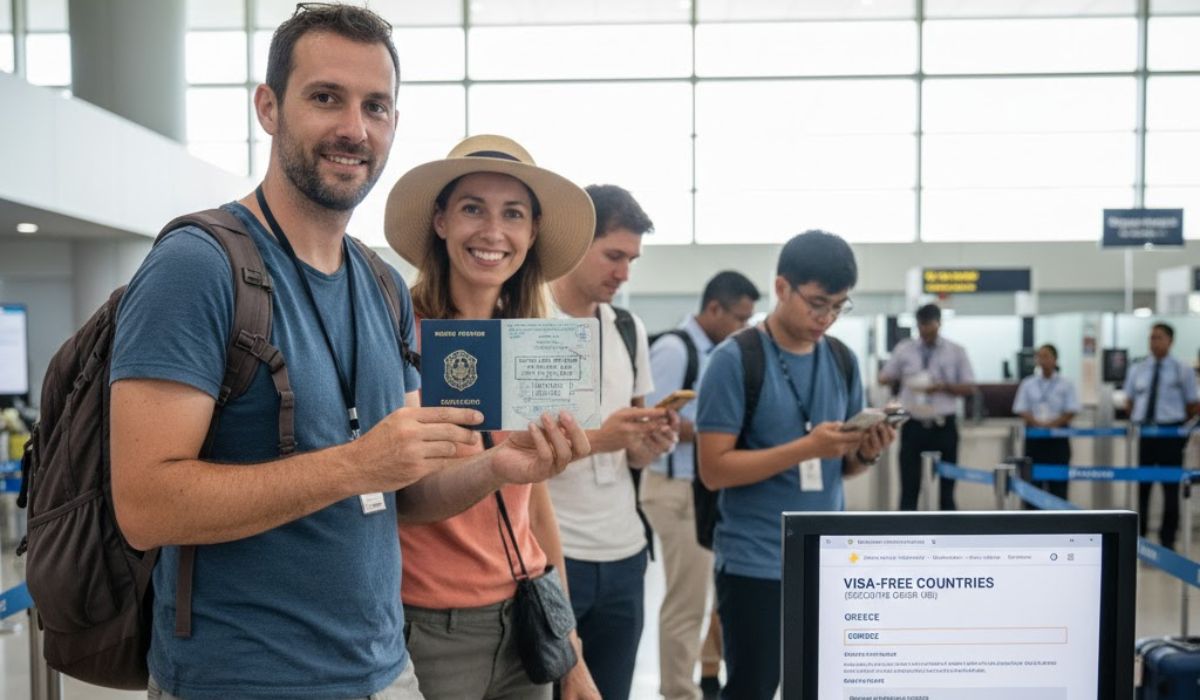
For Greek citizens and many travellers, the short answer is: not typically in the sense of a full visa-on-arrival service for extended stays. Here’s what the details show:
- The list under Executive Order 408 indicates that Greece is among the countries whose nationals may enter the Philippines without prior visa for stays up to 30 days.
- However, that is not the same as being able to arrive with no documentation and get a visa for, say, 60 days or for special purposes.
- For longer stays or special purposes you’ll likely need to apply ahead (via eVisa or through embassy).
- Some forum users report that because the online system currently lists only certain nationalities for eVisa, they opted for the visa-free access.
In short: Yes, you can arrive visa-free for up to 30 days as a Greek passport-holder for tourism. But if you’re looking for a longer stay, volunteer programme, work or study, planning ahead is essential.
Conclusion
Travelling from Greece to the Philippines is a thrilling possibility. With your Greek passport, you already enjoy visa-free entry for up to 30 days—but understanding the Philippines eVisa option gives you extra flexibility, especially if your stay is longer, or if you have special travel plans. By knowing the various Philippines eVisa types, preparing your documents carefully, submitting your application (if needed) and tracking it, you’ll set yourself up for a fantastic adventure. Once you’ve landed, your focus can shift to soaking up those golden sands, island sunsets, vibrant culture and unforgettable experiences. Bon voyage and enjoy your Filipino journey!
Frequently Asked Questions about the Philippines e-Visa for Greek Citizens
Q1: As a Greek citizen, do I have to apply for the Philippines eVisa?
A1: Not necessarily. For stays up to 30 days and for tourism purposes, Greek passport-holders are eligible for visa-free entry under Executive Order 408. If your stay is longer or your purpose differs (study, work, etc.), then the eVisa or another category may be required.
Q2: What is the maximum stay allowed without any visa if I hold a Greek passport?
A2: Up to 30 days, for tourism, without prior visa.
Q3: If I want to stay longer than 30 days, what must I do?
A3: You’d need to look into applying for a different category of permission—or extend your stay locally (if permissible) or apply ahead via the eVisa or through the embassy/consulate in your home country.
Q4: What if I travel for business, medical treatment or volunteer work in the Philippines?
A4: Then the standard visa-free 30-day tourism stay may not suffice. You should explore the correct Philippines eVisa types for your purpose, gather appropriate documentation and submit ahead of travel.
Q5: How soon should I apply for the Philippines eVisa (if required)?
A5: As soon as you decide that you need one. Allow several weeks to accommodate processing and any potential delays. Better safe than rushed.
Q6: What happens if I overstay the 30-day period under the visa-free entry?
A6: Overstaying can lead to fines, travel restrictions or future entry complications. Always check extension options or obtain proper permission in advance.
Q7: Can I extend my stay once I’m in the Philippines?
A7: Extensions may be possible depending on local rules, but you should verify at the time of entry or once you arrive. Having the correct category in advance is always better.
Q8: Will airlines allow me to board for the Philippines if I rely on visa-free entry?
A8: Most will—but to ensure smooth boarding, carry your onward ticket, accommodation details and show that you meet entry requirements (passport validity, etc.). Some travellers have reported confusion when eVisa systems don’t show their country.
Q9: Are there hidden charges or fees I must worry about?
A9: Fees vary by category and country. For the visa-free scheme, no charge is applied for the entry privilege. For eVisa categories, fees apply. Always check up-to-date information from official or authorised sources.
Q10: How reliable is the online tracking for the eVisa application?
A10: It depends on the system in place for your category and nationality. Some users have reported issues; it’s wise to keep records and check email frequently for updates.
Written By:
Benjamin Cooper

Hotels at your convenience
Now choose your stay according to your preference. From finding a place for your dream destination or a mere weekend getaway to business accommodations or brief stay, we have got you covered. Explore hotels as per your mood.