Apply Russia Visa from Croatia
 Claude Roche
19 Dec, 2025
13 mins read
194
Claude Roche
19 Dec, 2025
13 mins read
194

Fancy having dreams about the grand Red Square, the old canals of Saint Petersburg, or the expansive sceneries of the Russian interior? This has made traveling to the largest country in the world easier to travelers in Croatia. Gone are the days of boring visits to the embassy in Zagreb and stacks of paper work. With its digital Unified e- Visa, making a Russian adventure a few clicks away is an easy feat.
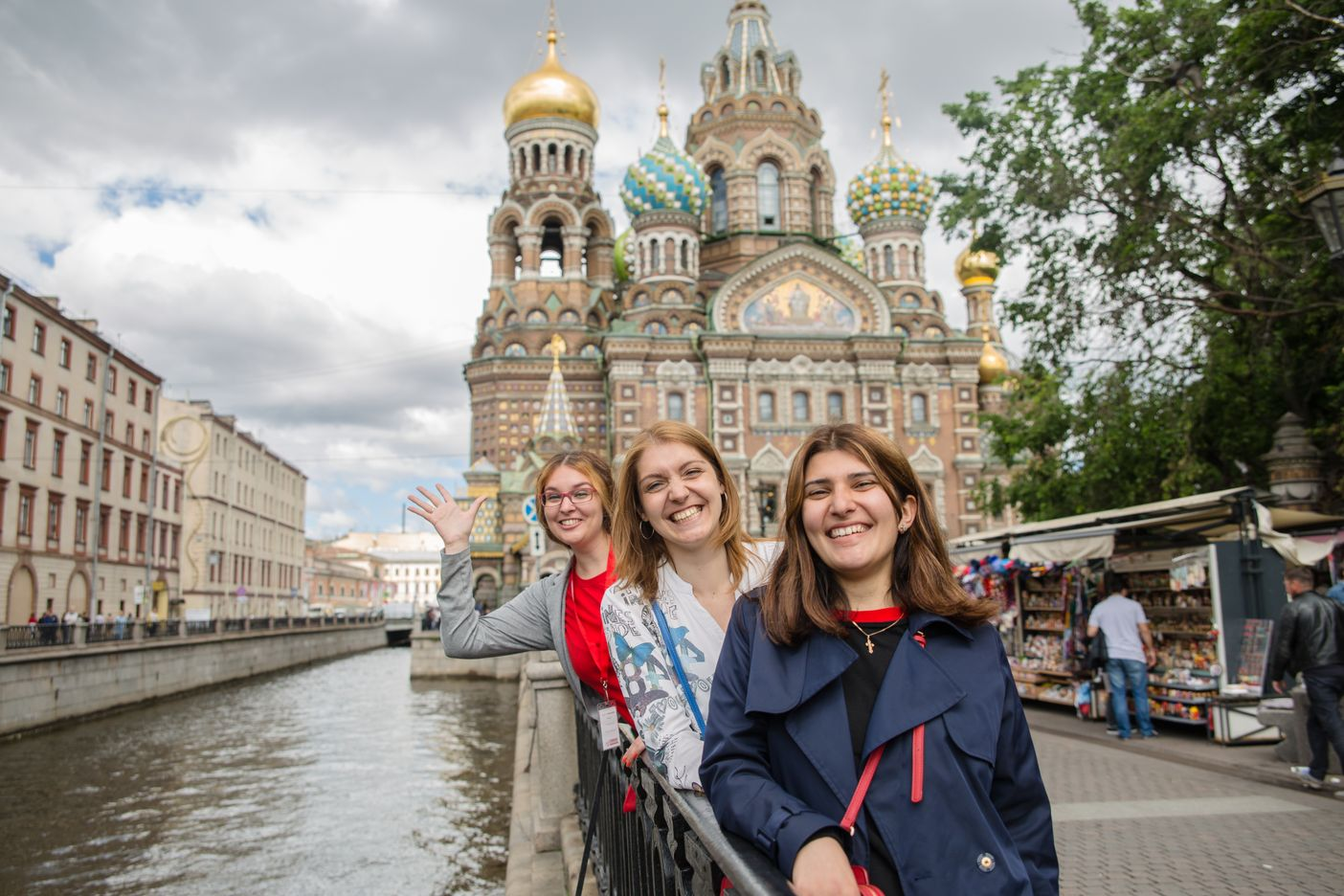
In the present guide, we will subdivide all the information that you should know when applying to a Russia e-Visa for Croatia, and get your tour off on a positive note.
Do Croatian citizens need a visa for Russia?
Yes, it is true that the citizens of Croatia need a visa to the Russian Federation. Although paper visas still exist in the case of long-term residency or a particular reason to visit the country, the Unified e-Visa is becoming very popular among the tourists as well as business travelers. It is a completely digitalized authorization where an individual does not have to visit the Russian Embassy in Zagreb to have a face-to-face interview.
How long can you stay in Russia with an e-visa?
As of late 2025, the Russian government has significantly improved the e-Visa conditions.
- Validity: Once issued, your e-Visa is valid for 120 days.
- Stay Duration: You can stay in Russia for up to 30 consecutive days within that validity period.
- Entry Type: It is strictly a single-entry visa; if you leave the country, you must apply for a new one to return.
Document Requirements for Russia e-Visa
One of the best things about the e-Visa is the minimal documentation. To apply for Russia E-Visa online, you only need:
- Valid Passport: A digital scan of your passport’s bio-data page. It must be valid for at least 6 months from your application date and have at least two blank pages.
- Digital Photo: A high-quality, color, passport-style photo (3.5x4.5 cm) taken against a plain white background.
- Medical Insurance: You must have travel insurance valid in the Russian Federation for the entire duration of your stay.
What Type of Passport is Required for the Russia e-Visa?
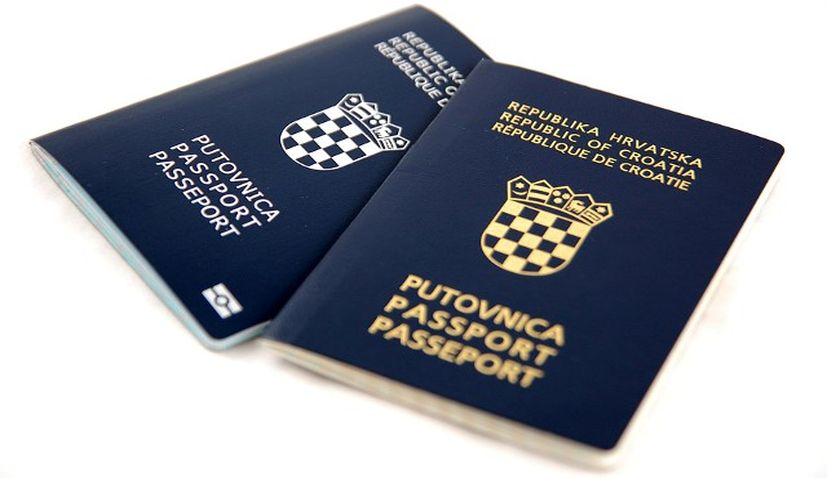
To apply for the Unified e-Visa, you must hold a machine-readable passport. This is the standard biometric passport issued in Croatia.
- Validity: Your passport must be valid for at least 6 months from the date you submit your application.
- Blank Pages: Ensure there are at least two blank pages available for entry and exit stamps.
- Condition: The passport must be in good condition; damaged bio-data pages or missing pages will lead to entry denial.
What are the Photo Specifications for the e-Visa?
The digital photograph is a critical part of the application. To avoid rejection, ensure your photo meets these standards:
- Background: Plain, light-colored (white or off-white) background with no shadows.
- Recency: Taken within the last 6 months.
- Appearance: Full-face view, looking directly at the camera with a neutral expression and mouth closed.
- Technical: JPEG format, rectangular with a 35x45 aspect ratio. Your face should take up 70–80% of the photo.
Do I Still Need an Invitation Letter for the Russia e-Visa?
Unlike the traditional Russian tourist visa, the e-Visa does NOT require an invitation letter, hotel booking confirmation, or a detailed itinerary. This makes the process significantly faster and cheaper, as you don’t have to wait for a Russian host or hotel to issue documents.
How Long Does it Take to Process a Russian e-Visa?
Timing is everything when planning a trip. We offers various processing speeds:
- Normal Processing: 6 – 9 days (No additional cost). Perfect if you are planning well in advance.
- Rush Processing: 4 – 7 days. Ideal for those who need their travel authorization within a week.
- Super Rush Processing: 3 – 5 days. The fastest option for last-minute travelers or business emergencies.
Can I Bring My Own Medicines into Russia?
Most common over-the-counter medications are allowed in reasonable quantities for personal use. However, there are strict rules for:
- Prescription Drugs: If you take medications containing "strong" or psychotropic substances, you MUST carry a signed doctor's prescription translated into Russian.
- Customs: Declare any prescription medications at the border to avoid issues.
Is it Safe to Use an Agent Like russian-e-visa.com?
Many travelers choose russian-e-visa.com for the added layer of security. The agency provides:
- Error Checking: Experts review your application to ensure no typos lead to rejection.
- Customer Support: Assistance if you have questions during the process.
- Simplified Interface: A more intuitive form than official portals.
What are the New Entry Rules and Biometric Procedures for 2025?
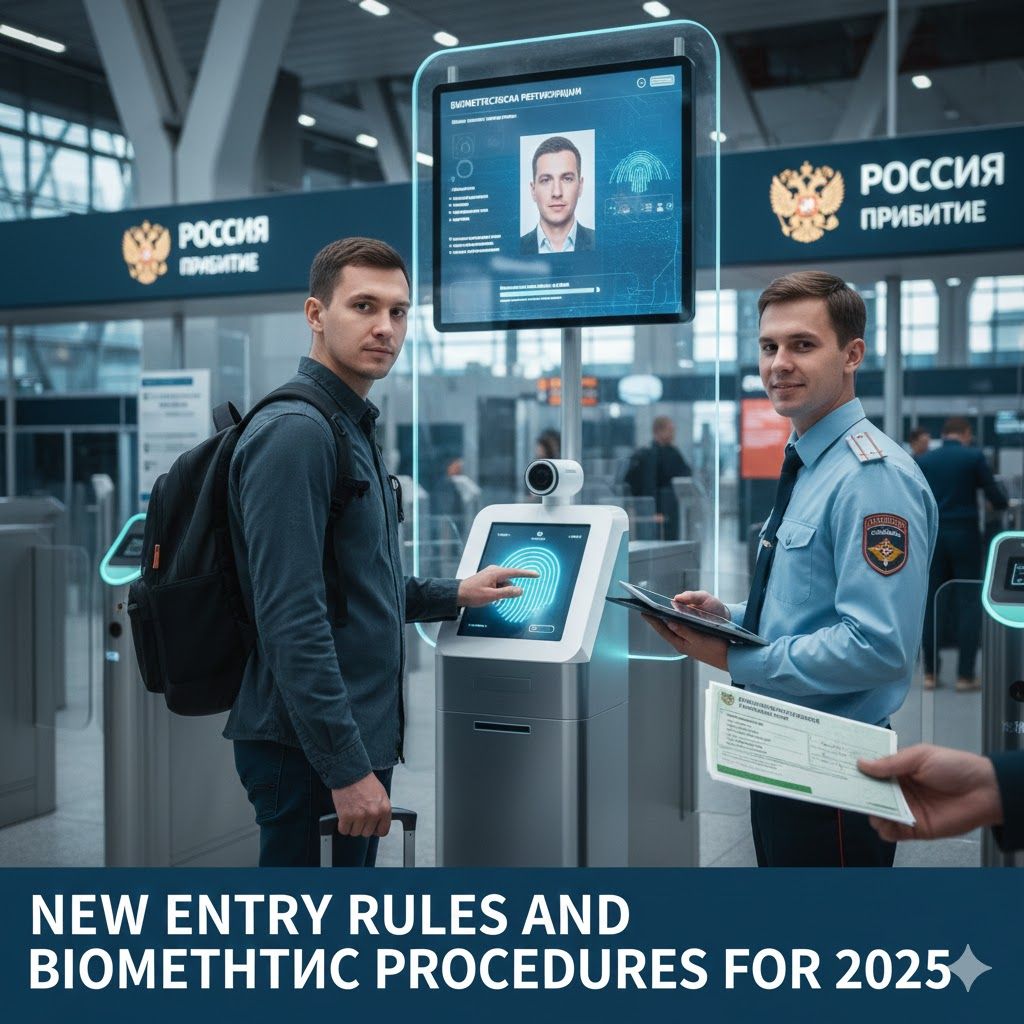
Starting in late 2024 and expanding throughout 2025, Russia has implemented new biometric experiments at major border crossings.
- Fingerprinting: Travelers entering through major Moscow airports (SVO, DME, VKO) may be required to provide fingerprints and have a digital photo taken at the border.
- Migration Card: You will still receive a paper migration card upon entry. Do not lose this; you must return it when you leave.
- Security Checks: Be prepared for brief questioning regarding your itinerary and accommodation.
How is ATM Availability for Foreigners in Russia Today?
Due to international sanctions, Western-issued Visa and Mastercards generally do not work at Russian ATMs.
- Cash is King: Plan to bring cash (USD or Euro) and exchange it at banks or official exchange booths.
- Local Cards: If you are staying for a longer period, you can open a local Russian bank account and get a "MIR" card to use ATMs and pay at shops.
- UnionPay: Some Chinese-issued UnionPay cards still work at select ATMs (like Gazprombank), but they are not universally accepted.
What Healthcare Facilities are Available for Tourists in Russia?
Russia has a mix of public and high-end private healthcare facilities.
- Private Clinics: In major cities like Moscow and St. Petersburg, there are many international clinics (e.g., European Medical Center) with English-speaking staff. These are the best options for tourists.
- Emergency Care: Your mandatory €30,000 medical insurance will cover emergency hospitalization and treatment.
- Pharmacies (Apteka): Pharmacies are widely available and well-stocked. Note that many drugs that are over-the-counter in other countries might require a local prescription in Russia.
Written By:
Claude Roche

Hotels at your convenience
Now choose your stay according to your preference. From finding a place for your dream destination or a mere weekend getaway to business accommodations or brief stay, we have got you covered. Explore hotels as per your mood.