Aruba-one-happy-island-travel-guide
 Lisa Beck
03 Nov, 2025
15 mins read
115
Lisa Beck
03 Nov, 2025
15 mins read
115
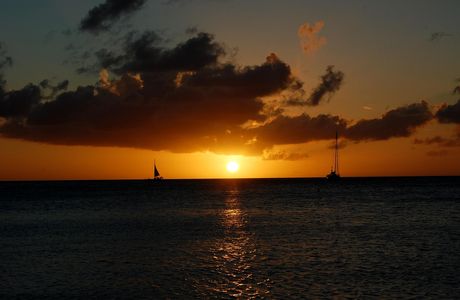
Your Essential Guide to Visiting Aruba: The One Happy Island
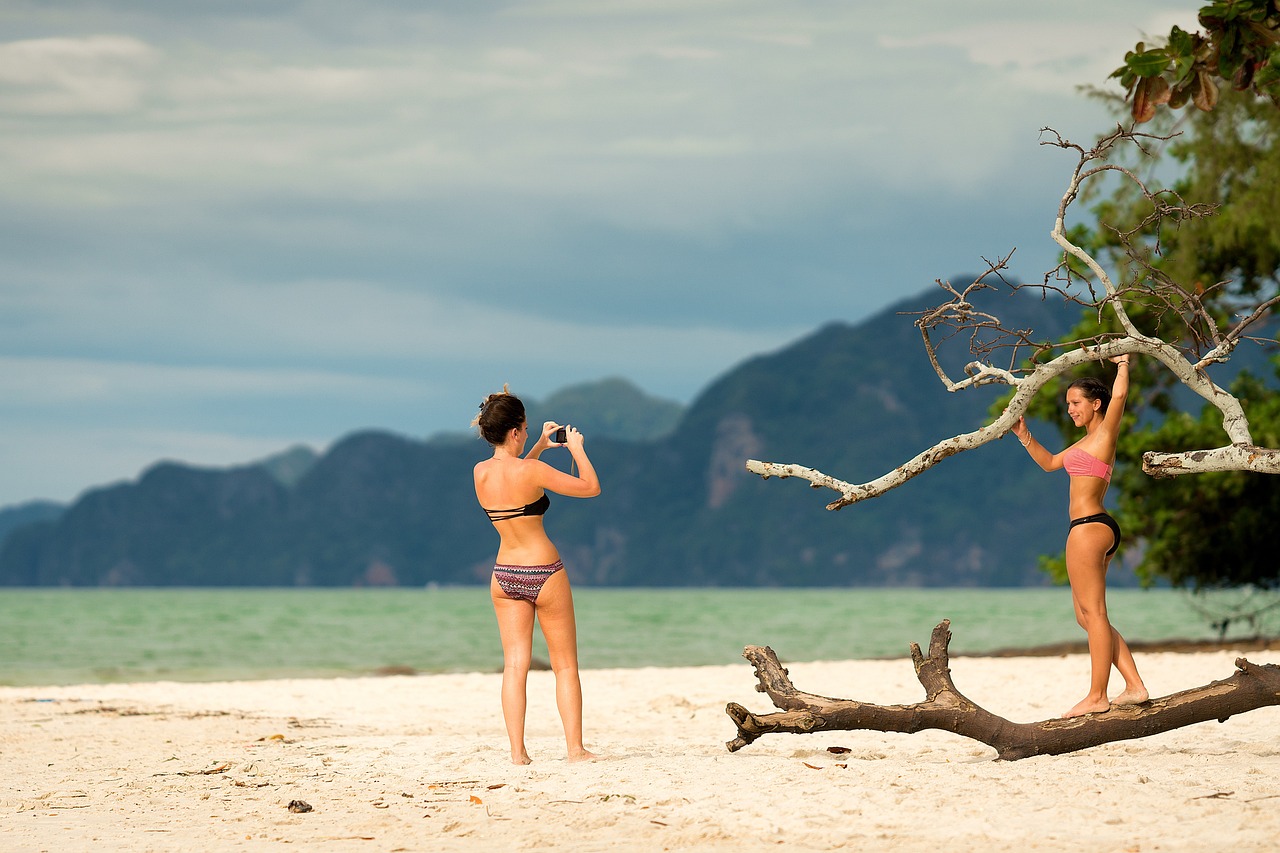
Aruba, a stunning constituent country of the Kingdom of the Netherlands, lies in the southern Caribbean Sea, just 18 miles north of the coast of Venezuela. Known as the "One Happy Island," it is celebrated for its year-round sunshine, pristine white-sand beaches, and a vibrant, multicultural atmosphere. Unlike many lush Caribbean islands, Aruba's unique, arid landscape features a dramatic contrast of desert terrain, towering cacti, and the iconic, wind-sculpted Divi-Divi trees leaning gracefully towards the southwest. This guide delves into everything you need to know for an unforgettable Aruban adventure.
Essential Travel Information and Geography
Aruba is a small island, only about 19.6 miles long and 6 miles across at its widest point, with a total area of approximately 70 square miles. This compact size makes it incredibly easy to explore.
- Capital City: Oranjestad, a charming port city known for its blend of Dutch colonial and Caribbean architecture, painted in vivid pastels.
- Official Languages: Dutch and the local language, Papiamento (a creole language that mixes Portuguese, Spanish, Dutch, English, and Arawak). Most locals are also fluent in English and Spanish, making communication very easy for visitors.
- Currency: The Aruban Florin (AWG), though the U.S. Dollar is widely accepted everywhere, often at an exchange rate of $1 USD to 1.75 AWG.
- Weather: Aruba is famous for having more sunny days than any other Caribbean island. It lies outside the main hurricane belt, making it a reliable destination year-round. The average temperature hovers around $82^\circ$F ($28^\circ$C). The constant trade winds keep the heat manageable and are perfect for water sports.
History and Cultural Melting Pot
Aruba's history is a compelling tapestry of indigenous roots, European influence, and international commerce, creating the diverse and welcoming culture visible today.
The Caiquetio and European Arrival
The island’s earliest inhabitants were the Caiquetio Indians of the Arawak tribe, who arrived from the South American mainland around 1000 AD. The first European to discover Aruba was the Spanish explorer Alonso de Ojeda in 1499. However, the island was deemed "useless" due to the absence of exploitable gold, and the indigenous population was largely exported to Hispaniola for labor.
In 1636, the Dutch West India Company took control of Aruba, and it has remained a part of the Kingdom of the Netherlands ever since. For centuries, the island was primarily a site for small-scale cattle raising and aloe cultivation. The official flag, adopted in 1976, features a four-pointed star representing the island itself and the four main points of the compass from which people have arrived. The two narrow, yellow stripes represent the free and separate status of Aruba.
A Diverse Population
Today, Aruba is a melting pot, with over 90 different nationalities living peacefully together. This diversity is what truly earns it the title of "One Happy Island." The blending of cultures is evident in the languages, the architecture, and especially the cuisine.
Papiamento: The Local Heart
The national language, Papiamento, is perhaps the strongest expression of Aruban identity. Born out of necessity for communication among different groups—Dutch administrators, Spanish settlers, and various enslaved and free peoples—it is a beautiful, rhythmic language. Common phrases you’ll hear (and should try to use!) include: "Bon Bini" (Welcome), "Danki" (Thank you), and "Con ta bai?" (How are you?).
The Rich Flavors of Aruban Cuisine
Aruba’s culinary scene is a delight, offering a fusion of Dutch, Caribbean, and South American flavors, with an emphasis on fresh seafood and comforting stews. Don't leave without trying these iconic dishes and experiencing the local dining spots.
Must-Try Traditional Dishes
- Keshi Yena: Meaning "stuffed cheese," this is Aruba's national dish. It consists of a large, hollowed-out ball of Gouda or Edam cheese stuffed with a savory mixture of spiced shredded chicken, beef, or seafood, along with vegetables, cashews, and raisins, then baked until gooey.
- Pastechi: The ultimate local snack. These are delicious, flaky, deep-fried crescents, similar to empanadas, filled with a variety of ingredients such as cheese (keshi), ham, chicken, or tuna. They are perfect for a quick breakfast or beachside bite.
- Stoba (Stew): A hearty, slow-cooked stew, which can be made with beef (carni di baca stoba), chicken (galiña stoba), or the slightly sweeter goat meat (cabrito stoba). It's typically seasoned with local herbs and served with pan bati or funchi.
- Pan Bati & Funchi: Pan Bati (beaten bread) is a slightly sweet, fluffy cornmeal flatbread often served as a side. Funchi is a cornmeal mash, similar to polenta, that accompanies stews and grilled meats.
- Fresh Seafood: Given its location, the island offers an abundance of fresh catches like Wahoo, Red Snapper, and Mahi-Mahi, often served grilled or pan-fried with a mild Creole sauce.
Authentic Dining Experiences
For a truly local experience, bypass the resort strip and seek out places where locals eat:
- The Old Cunucu House: Known for serving traditional Aruban dishes in a charming, authentic cunucu (countryside) house setting.
- Zeerovers: An unpretentious, seaside seafood shack where you buy fresh catch by the pound and have it fried and served right on the dock. It’s an essential, authentic experience.
- San Nicolas: Explore the vibrant, art-filled city of San Nicolas, which offers small, local eateries and food trucks for quick, flavorful meals.
Aruba's Unforgettable Attractions
Aruba is a destination of contrasts, offering both world-class beaches and a rugged, dramatic interior.
The Iconic Beaches and Waters
The calm, white-sand beaches on the southwest coast are the island's most famous draw.
- Eagle Beach: Consistently ranked among the best beaches in the world. It is wide, less crowded than Palm Beach, and home to the island’s most photographed sight: the iconic, twisted Fofoti tree.
- Palm Beach: A two-mile strip lined with high-rise resorts, shops, restaurants, and watersports operators. It's the hub of activity, perfect for jet skiing, parasailing, and boat tours.
- Baby Beach: Located on the southern tip, this shallow, crescent-shaped lagoon is ideal for families with small children and beginner snorkelers due to its calm, protected waters.
Explore the Wild Interior: Arikok National Park
Covering nearly 20% of the island's landmass, Arikok National Park offers a dramatic contrast to the tranquil beaches. It's a rugged, protected area of desert landscape, rock formations, and a wild, windswept coastline. A 4x4 vehicle is highly recommended for exploring most areas of the park.
- Conchi (Natural Pool): A secluded swimming hole formed by volcanic rock, offering a protected spot for a refreshing swim amidst crashing waves. Access is challenging and requires a 4x4 or guided tour.
- Quadirikiri Caves: These limestone caves feature chambers illuminated by natural holes in the ceiling. The Fontein Cave nearby is known for its original Arawak Indian pictographs, which are over 1,000 years old.
- Boca Prins: A beautiful bay and beach along the rough northeastern coast, known for its dramatic cliffs and sand dunes.
Historical and Scenic Landmarks
Beyond the beaches and the park, several landmarks tell the story of Aruba's heritage and offer breathtaking views.
- California Lighthouse: Standing majestically on the island's northwestern tip, this lighthouse was named after a steamship that wrecked nearby in 1891. Climbing the tower offers spectacular panoramic views of the island, particularly beautiful at sunset.
- Alto Vista Chapel: Known as the "Pilgrims Church," this tiny, bright yellow chapel was originally built in 1750 and is the site of the first Catholic Church in Aruba. Its isolated location offers a place of quiet contemplation and scenic views of the northern coastline.
- Bushiribana Gold Mill Ruins: These evocative ruins on the northern coast are a relic of the island's short-lived 19th-century gold rush. They offer a great photo opportunity and a sense of the island's industrial past.
Safety and Local Customs
Aruba is widely regarded as one of the safest islands in the Caribbean, with a very low crime rate. However, common-sense precautions are always advised.
- General Safety: Petty crime, like theft from unattended bags on the beach or cars, can occur. Always use your hotel safe for valuables and lock your rental car, making sure not to leave any belongings in sight.
- Driving: While the roads around the resort areas are excellent, navigating Arikok National Park and the northern coast requires a 4x4. Remember that road signs can be sparse, and the Aruban driving style is relaxed.
- Tipping: Tipping is standard practice and expected in Aruba. A 15-20% tip for good service is customary in restaurants, though some places may automatically add a service charge, so check your bill. Tipping for housekeeping, taxis, and tour guides is also appreciated.
- Water: Aruba's tap water is perfectly safe to drink. It's desalinated and purified, and many locals consider it some of the best water in the world.
Parting Thought
Aruba lives up to its moniker, "One Happy Island." From the exhilarating windsurfing and snorkeling to the tranquil sunset sails and the sheer joy of biting into a flaky pastechi, the island offers a perfectly balanced escape. The warm hospitality of the Aruban people, combined with the island's stunning natural beauty and fascinating history, ensures a vacation where the happiness truly stays with you.
Written By:
Lisa Beck

Hotels at your convenience
Now choose your stay according to your preference. From finding a place for your dream destination or a mere weekend getaway to business accommodations or brief stay, we have got you covered. Explore hotels as per your mood.