Avoid Breakdowns: How Regular Car Servicing Protects You on Australian Highways
 Aliya Shahzadi
24 Oct, 2025
15 mins read
58
Aliya Shahzadi
24 Oct, 2025
15 mins read
58

Key Highlights
â— Regular car servicing prevents unexpected breakdowns, giving you peace of mind on long Australian drives.
â— Following the manufacturer's recommended service interval helps in the early detection of potential engine and transmission problems.
â— A comprehensive inspection of your vehicle during a service ensures key safety systems like brakes and tyres are in top condition.
â— Maintaining your car at regular intervals maximises fuel efficiency and extends the vehicle's longevity.
â— Scheduled servicing involves checking fluid levels, filters, and battery health to keep your car running smoothly.
Introduction
Driving across Australia’s vast highways demands a vehicle you can rely on. Ensuring your car is in top condition isn't just about performance; it's about your safety. Adhering to servicing at regular intervals is the most effective way to guarantee your car's reliability and longevity. This proactive approach helps prevent the stress and danger of a roadside breakdown, allowing you to enjoy your journey with confidence, knowing your vehicle has been professionally maintained and is ready for the road ahead.
Top Ways Regular Car Servicing Prevents Breakdowns on Australian Highways
Keeping your vehicle in optimal shape relies on a structured maintenance schedule, often categorised into different service types like a 'service a' and a 'service b'. These are designed to address different maintenance needs at specific intervals, ensuring every part of your car gets the attention it requires without unnecessary work.
Are you getting ready for your next service? Understanding what these checks involve helps you appreciate their value. By scheduling an upcoming appointment, you take a crucial step towards preventing costly damage and ensuring your safety on the road. Let's explore the key ways regular servicing protects you.
1. Early Detection of Engine and Transmission Issues
Your car's engine and transmission are its heart and soul, and keeping them healthy is paramount. Regular servicing provides the perfect opportunity for early detection of any underlying issues that might not be obvious during daily driving. A mechanic can spot minor leaks, worn components, or unusual sounds before they turn into major, expensive failures.
During a standard service, a technician will perform a thorough inspection. This includes changing the synthetic motor oil and filter, which is vital for engine lubrication and cooling. Fresh oil prevents friction and wear, helping your engine run more efficiently and last longer. Without this, old, dirty oil can lead to significant engine damage.
Modern workshops also use advanced diagnostic scans to communicate with your car's onboard computer. These scans can reveal fault codes related to the engine and transmission that haven't yet triggered a warning light on your dashboard. This digital insight allows for precise and preventative repairs, saving you from a potential breakdown—especially important when it comes to Mercedes-Benz servicing, where accuracy and attention to detail are essential.
2. Maximising Fuel Efficiency and 4WD Performance Upgrades
Are you looking to get more kilometres out of every tank of fuel? Regular servicing is one of the easiest ways to boost your car's fuel efficiency. When your engine is in top condition, it doesn't have to work as hard, which means it consumes less petrol or diesel. This is especially important for long drives on Australian highways, particularly if your vehicle has 4WD performance upgrades that demand optimal engine performance to run efficiently.
From your very first service, maintenance tasks are designed to optimise performance. A clean engine, fresh oil, and properly inflated tyres all contribute to reducing your fuel consumption. For owners of a Mercedes-Benz or other high-performance vehicles, maintaining this efficiency is key to enjoying the driving experience as it was intended.
Key service actions that improve fuel economy include:
â— Replace clogged air and fuel filters.
â— Use the correct grade of motor oil.
â— Ensuring tyres are inflated to the manufacturer's specifications.
3. Keeping Tyres, Brakes, and Suspension Safe for Long Drives
Your safety on the road depends heavily on the condition of your tyres, brakes, and suspension. These components are your car's primary connection to the road and are critical for control, especially at high speeds or during emergency manoeuvres. A routine inspection of your vehicle is essential for identifying wear and tear.
During each service interval, a technician will check your brake system for issues, including the condition of the pads, rotors, and brake fluid levels. Worn brakes or old brake fluid can severely compromise your stopping power. Similarly, checking each tyre for correct pressure and adequate tread depth is a must for safe handling and grip.
Essential safety checks include:
â— Brake component inspection and brake fluid correction.
â— Tyre pressure checks and tread wear analysis.
â— Suspension system examination for leaks or damage.
4. Preventing Overheating with Radiator and Cooling System Maintenance
An overheating engine can leave you stranded and cause catastrophic damage. Your car's cooling system, including the radiator, works hard to regulate engine temperature, but it needs regular attention to function correctly. A breakdown on a hot Australian day is the last thing anyone wants.
Scheduling an upcoming appointment for a service ensures your cooling system is ready for the challenge. A technician will inspect all hoses for cracks or leaks and check the coolant or antifreeze levels. This fluid not only prevents overheating but also protects against corrosion within the engine. Over time, coolant can lose its effectiveness and needs to be replaced.
Part of the service also involves checking filters like the cabin dust/combination filter, which, while related to air quality inside the car, is part of a comprehensive check-up. Ensuring all fluid levels are correct and systems are clean keeps your vehicle running at the optimal temperature, protecting your engine from heat-related stress and failure.
5. Ensuring Electrical Systems and Lights Function Reliably
Modern cars are packed with complex electrical systems that control everything from your headlights to your engine management. A fault in one of these systems can be just as debilitating as a mechanical failure. Imagine your headlights failing during a night drive through the outback—it's a scenario everyone wants to avoid.
A standard service includes a thorough check of your car's electrical components. This includes testing the battery health to ensure it holds a proper charge and can start your car reliably. The alternator, which charges the battery while you drive, is also inspected to confirm it's working correctly.
Furthermore, all exterior and interior lights are tested to make sure they are functioning as they should. This is not only a safety requirement but also crucial for visibility and communicating with other drivers. Keeping your electrical systems in check provides reliability and peace of mind on every journey.
Essential Checks to Include in Every Car Service
When you book your car in for maintenance, it's helpful to know what a standard service entails. Beyond a simple oil change, a comprehensive service includes a series of vital checks designed to keep your vehicle safe and reliable. The service interval recommended by your manufacturer will determine whether you need a minor or major service.
This typically includes a full fluid check, filter replacements, and a safety inspection. Depending on your car's age and mileage, there may be additional items required. Modern workshops also use diagnostic scans to find hidden problems, ensuring a thorough assessment of your vehicle's health.
1. Fluids, Filters, and Battery Health
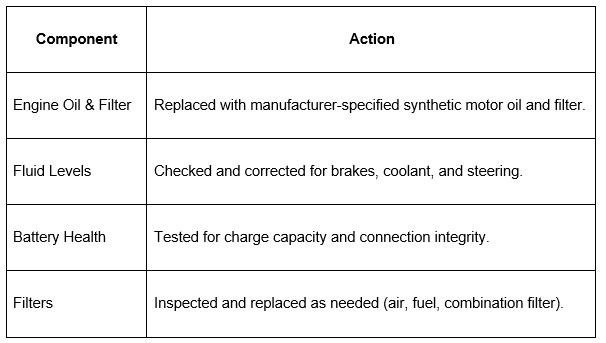
The lifeblood of your vehicle is its fluids. During any service, whether it's a minor check or a more intensive 'service b', a technician will inspect and top up all essential fluids. This includes the engine's motor oil, coolant, brake fluid, and windscreen washer fluid. Using the correct fluids is crucial for preventing wear and maintaining performance.
Filters also play a key role. The oil filter removes contaminants from the oil, while the air filter ensures the engine breathes clean air. A cabin or combination filter cleans the air you breathe inside the car. Poor battery health is another common cause of breakdowns, so a battery test is a standard part of any good service.
Here are some common checks performed during a service:
2. Diagnostic Scans for Hidden Fault Codes
In today's technologically advanced vehicles, what you can't see is often as important as what you can. Your car's computer system constantly monitors hundreds of components and will store hidden fault codes if it detects an abnormality, often before a warning light appears on your dashboard.
This is where diagnostic scans become invaluable. During a service, a technician connects a specialised tool to your car's computer to read these codes. This allows for the early identification of potential issues with the engine, transmission, electrical systems, and more, enabling targeted and preventative repairs.
After the necessary work is done, the mechanic can reset the standard service interval indicator, so you know exactly when your next service is due. Relying on professional workshops with the right diagnostic equipment ensures that even the most subtle problems are caught and addressed.
Conclusion
Regular car servicing is not just a maintenance chore; it is a crucial aspect of ensuring your vehicle remains reliable and safe on the vast Australian highways. By prioritising scheduled check-ups, you can identify potential issues before they escalate into major breakdowns. This proactive approach not only enhances your car's performance but also maximises fuel efficiency and extends its lifespan. Remember, the cost of regular servicing pales in comparison to the inconvenience and expense of unexpected breakdowns. So, take care of your vehicle today for a safer journey tomorrow. For expert advice and to schedule your next car service, don’t hesitate to reach out!
Frequently Asked Questions
How often should I have my car serviced to ensure optimal performance on the highways?
You should follow the service interval specified by your vehicle's manufacturer, which is often once a year or every 15,000-25,000 kilometres. A standard service at a dealership or qualified workshop in Australia will ensure your car is ready for the highway. Your vehicle will often alert you when the next service is due.
How can regular servicing impact fuel efficiency and overall vehicle longevity?
Regular servicing, including both 'service a' and 'service b' checks, ensures your engine runs cleanly and efficiently, which directly improves fuel efficiency. A complete inspection of your vehicle catches wear early, preventing major damage and extending the car's longevity, saving you money in the long run.
Written By:
Aliya Shahzadi

Hotels at your convenience
Now choose your stay according to your preference. From finding a place for your dream destination or a mere weekend getaway to business accommodations or brief stay, we have got you covered. Explore hotels as per your mood.