Bangkok Travel Guide: Temples, Markets, and Nightlife
 Sara Saroshk
09 Feb, 2026
9 mins read
81
Sara Saroshk
09 Feb, 2026
9 mins read
81
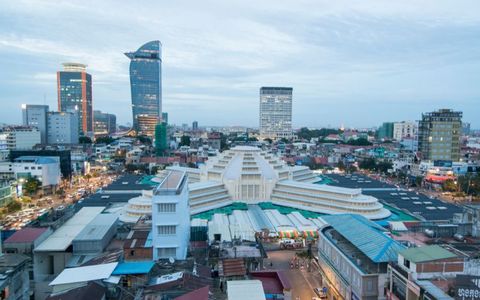
Bangkok doesn’t ease you in. It throws noise, heat, traffic, and smells at you all at once. That’s usually where people decide whether they’ll love it or spend the next three days complaining.
If you give it a little time, Bangkok opens up. Slowly. Between temples tucked behind busy roads, markets that only make sense after your third visit, and nightlife that shifts personalities depending on the neighborhood.
This guide isn’t about doing everything. That’s where trips often go wrong. It’s about understanding how the city works so you can move through it without burning out. Even travelers using Bangkok city sightseeing packages get more out of the city once they stop trying to “cover” it.
Grand Palace: Impressive, Crowded, Still Worth It
Yes, it’s crowded. Yes, it’s hot. And yes, you should still go.
The Grand Palace is one of those places where photos don’t explain the scale. Gold everywhere. Detail overload. The key is timing. Arrive as close to opening as possible. After that, it becomes survival mode.
Dress properly. Shoulders and knees covered. Rental clothing is available, but it’s a hassle and slows you down.
Most people rush straight through and leave. That’s a mistake. Walk slowly. Step into shaded courtyards. Watch how Thai visitors move differently than tour groups.
Wat Pho: More Than Just One Statue
Wat Pho is famous for the Reclining Buddha, but that’s only part of the experience.
The temple complex is large, calm, and surprisingly good for taking a break from the street noise. After the main hall, wander. Smaller courtyards hide some of the most peaceful corners in central Bangkok.
This is also where traditional Thai massage started. The school on-site is legitimate. Not cheap. Worth it if you’ve been walking all day.
Wat Arun: Best From Across the River
Wat Arun looks great up close, but it looks better from the other side of the Chao Phraya River.
Take the short ferry across anyway—it’s part of the experience—but plan to see it again at sunset from a riverside café or bar. The light changes everything.
Climbing the central tower is steep. If you’re not comfortable with narrow steps, skip it. The view is nice, not essential.
Markets: Controlled Chaos, Once You Learn the Rules
Markets are where Bangkok feels most alive—and most overwhelming.
Start with Chatuchak Market. It’s massive. Thousands of stalls. You won’t see it all. Accept that early.
Go with a loose plan. One or two sections you’re curious about. Anything more is unrealistic. Hydration matters here more than shopping strategy.
For something calmer, evening markets and neighborhood fresh markets offer better insight into daily life. Watch how locals shop. Follow that rhythm.
Most people miss this: food stalls with long local lines are almost always safe bets.
Moving Around Without Losing Your Patience
Bangkok traffic is real. Don’t fight it. Work around it.
The BTS Skytrain and MRT subway save time and energy. Boats on the river are underrated and often faster.
Taxis are fine if you insist on the meter. Ride-hailing apps help avoid language issues.
If you’re using Bangkok city sightseeing packages, use them selectively. One guided day can help with orientation. After that, explore on your own.
Chinatown Bangkok: Best After Dark
Chinatown during the day is busy. At night, it’s electric.
Yaowarat Road fills with street food, neon signs, and constant motion. Don’t plan dinner here. Wander. Stop when something smells good.
Seafood stalls are popular for a reason. So are simple noodle shops that look unimpressive until you taste the broth.
This is not a quiet evening. That’s the point.
Nightlife: Pick Your Scene
Bangkok nightlife isn’t one thing.
Rooftop bars like Thonglor and Silom offer views and polished cocktails. Prices match the setting.
Lower Sukhumvit is louder, messier, and more chaotic. Not everyone’s taste.
The mistake is trying to sample everything in one night. Choose one area. Stay there. Let the night develop.
Small Things That Make a Big Difference
Start early. Bangkok mornings are calmer and cooler.
Take breaks. Cafés and malls are air-conditioned sanctuaries.
Respect temples. Quiet voices. No climbing for photos.
And don’t judge the city on your first impression. It improves with familiarity.
Final Thoughts
Bangkok isn’t about perfection. It’s about layers.
Temples beside highways. Markets next to malls. Quiet moments hiding inside noise. If you stop trying to control it and start moving with it, the city becomes easier—and more rewarding.
Plan lightly. Stay flexible. Leave room for detours. That’s when Bangkok shows its best side.
FAQs
1. How many days do I need in Bangkok?
At least three. Five is better.
2. Is Bangkok safe for travelers?
Yes. Common sense applies, especially at night.
3. Do I need a guide for temples?
Helpful for context, not essential.
4. What’s the best way to get around?
Public transport and boats.
5. Is street food safe?
Generally yes, especially busy stalls.
6. When’s the best time to visit?
November to February is cooler and drier.
Written By:
Sara Saroshk

Hotels at your convenience
Now choose your stay according to your preference. From finding a place for your dream destination or a mere weekend getaway to business accommodations or brief stay, we have got you covered. Explore hotels as per your mood.