Best Instagram Spots in Salalah, Oman
 Sara Saroshk
13 Feb, 2026
11 mins read
188
Sara Saroshk
13 Feb, 2026
11 mins read
188
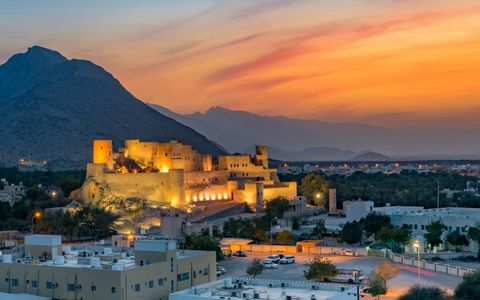
Salalah doesn’t look like the rest of Oman, and that’s the point. If you arrive expecting endless sand dunes and harsh desert light, you’ll be slightly disoriented—in a good way. Coconut palms line the roads. Hills turn green for part of the year. Clouds hang low enough to change your plans.
Salalah rewards travelers who slow down and look carefully. It’s not a place where you jump out of the car, take one photo, and move on. The best shots come when you wait. For the fog to lift. For the waves to crash again. For people to move out of frame. If you’re visiting independently or timing your trip around Salalah khareef season packages, these are the spots that actually deliver—not just on Instagram, but in real life.
This guide is based on being there, not scrolling first.
Al Mughsail Beach (Mughsail)
If you only have time for one coastal location, make it Al Mughsail Beach.
Wide white sand. Dramatic cliffs. Blowholes that send seawater shooting into the air when conditions are right. It’s raw and open, and it changes personality depending on the light.
Best time to shoot: early morning or just before sunset. Midday light flattens everything, and the wind usually picks up.
Most people rush straight to the blowholes, grab a quick video, and leave. Walk further down the beach instead. The curve of the coastline, with cliffs fading into mist, is where your strongest frames come from.
Small warning: during khareef, rocks can be slippery. Watch where you step. Phones don’t survive falls here.
Wadi Darbat
Wadi Darbat is where Salalah surprises first-time visitors the most.
Waterfalls. Lakes. Green hills. Actual greenery in southern Oman. During khareef season, the area looks more like parts of Southeast Asia than the Arabian Peninsula.
Photographically, this place rewards patience. Don’t stop at the first viewpoint near the road. Walk. Explore. Change angles. The best shots often come from slightly higher ground, looking down toward the water with grazing camels in the frame.
Late afternoon works well here, when clouds soften the light. Midday sun is harsh, even with greenery.
This is also where trips often go wrong. Weekends get crowded. Families picnic everywhere. If you want cleaner shots, come on a weekday morning.
Ayn Razat (Ain Razat)
Ain Razat is quieter and more controlled than Wadi Darbat, but that’s part of its appeal.
Manicured gardens, shaded walkways, and reflective pools framed by hills. It’s not wild, but it’s calm. And calm photographs well.
This is a good place for portraits. The greenery creates a soft backdrop, and the scale feels more intimate.
Most people treat this as a short stop. Stay longer. Walk the full loop. Small details—arched bridges, water reflections, palm-lined paths—often photograph better than the main viewpoint.
Al Baleed Archaeological Park & Frankincense Land Museum
For a different visual rhythm, head to Al Baleed Archaeological Park.
Ancient ruins, open sky, and the Arabian Sea in the background. It’s minimalist, geometric, and very clean visually. If you like symmetry and negative space, this is your place.
Early morning is best. Fewer visitors. Softer light. Long shadows that add texture to stone walls.
Most Instagram feeds skip this spot, which is a mistake. The contrast between ruins and sea feels distinctly Salalah—and very different from the greenery shots everyone else posts.
Jebel Samhan Viewpoint
If you’re comfortable with mountain roads, Jebel Samhan delivers one of the most dramatic views in the region.
Sheer cliffs. Deep valleys. Clouds moving fast enough to change your composition every few minutes.
This is not a casual stop. You need decent visibility and steady weather. Fog can roll in quickly, especially during khareef, and wipe out the view completely.
When it works, it really works. Wide-angle shots shine here. Include the edge of the cliff for scale—but stay well back. No photo is worth a misstep.
Al Fazayah Beach
Less famous than Mughsail, Al Fazayah Beach feels more remote.
Multiple small coves. Turquoise water. Cliffs that frame the shoreline naturally.
This beach is about layers: sand, sea, rock, sky. Simple compositions work best. Don’t overcrowd the frame.
Access roads can be rough, depending on conditions. If it’s recently rained, reconsider. This is where plans sometimes fall apart.
Go mid-morning, when the sun lights the water without flattening the cliffs.
Al Haffa Old Town
For something human, head into Al Haffa.
Frankincense shops. Narrow streets. Locals moving through daily routines. It’s textured and real, not curated.
Ask before photographing people. A smile and a gesture go a long way here.
The best shots are small moments—hands weighing frankincense, shopfronts half in shade, sunlight cutting through doorways. This area rewards observation more than wide shots.
Coconut and Banana Plantations
Scattered around Salalah’s outskirts, these plantations are easy to miss if you’re driving quickly.
Pull over when you see rows of palms or banana trees backed by hills. Early morning light filtering through leaves creates depth and softness that’s hard to fake later in the day.
Most travelers don’t stop here because there’s no signpost. That’s exactly why you should.
Khareef Season: A Note on Timing
During khareef (roughly June to September), Salalah transforms. Clouds. Drizzle. Green landscapes. But also crowds, limited visibility, and changing conditions.
Instagram makes khareef look effortless. It’s not.
You’ll wait for breaks in fog. You’ll return to the same spot twice. Sometimes three times. Build flexibility into your plans.
This is also why guided planning—whether independent or via thoughtfully designed Salalah khareef season packages—can save time and frustration if photography is a priority.
Practical Tips for Better Shots
- Light matters more than locations. Bad light ruins great places.
- Weekdays beat weekends. Especially during khareef.
- Wide-angle lenses shine, but don’t ignore details.
- Respect barriers and signs. Oman takes safety seriously.
- Be patient. Salalah rewards waiting.
Final Thoughts
Salalah isn’t about ticking off viewpoints. It’s about atmosphere. Weather. Small shifts in light and mood. The best Instagram spots here don’t always look dramatic at first glance—but they grow on you.
If you’re visiting during peak greenery or planning around Salalah khareef season packages, accept that not every moment will be clear and sunny. That’s part of the appeal. Let the fog move. Let the crowds pass. Take fewer photos, but better ones.
Salalah doesn’t rush. Neither should you.
FAQs
1. When is the best time for Instagram photos in Salalah?
Early morning and late afternoon offer the softest light. During khareef, timing matters even more due to fog.
2. Is khareef season good or bad for photography?
Both. Landscapes are greener, but visibility changes quickly. Flexibility is key.
3. Do I need a 4WD to reach these spots?
Some places, like Al Fazayah and Jebel Samhan, are easier with a 4WD, especially in wet conditions.
4. Are drones allowed in Salalah?
Drone use is restricted in Oman and requires permits. Don’t assume you can fly.
5. Is it safe to explore these places solo?
Yes, generally. Oman is safe, but always respect terrain, weather, and local guidelines.
6. Can I photograph people in markets and towns?
Ask first. Many people are friendly, but permission matters.
7. How crowded does Salalah get during khareef?
Very busy, especially on weekends and holidays. Plan early starts to avoid crowds.
window.NREUM||(NREUM={});NREUM.info={"beacon":"bam.nr-data.net","licenseKey":"NRJS-3109bb2e2783f515265","applicationID":"558315209","transactionName":"blUHbEVQCxECBUVQWVcfMEpeHhARBhRCFlRVXwIXVEMAAxcDU1VZXh4VUEc=","queueTime":0,"applicationTime":142,"atts":"QhIEGg1KGB8=","errorBeacon":"bam.nr-data.net","agent":""}
Written By:
Sara Saroshk

Hotels at your convenience
Now choose your stay according to your preference. From finding a place for your dream destination or a mere weekend getaway to business accommodations or brief stay, we have got you covered. Explore hotels as per your mood.