Best Monsoon Treks in North India
 Jagat Nath
24 Jan, 2026
16 mins read
140
Jagat Nath
24 Jan, 2026
16 mins read
140
Introduction: Why Monsoon Is Underrated for Trekking
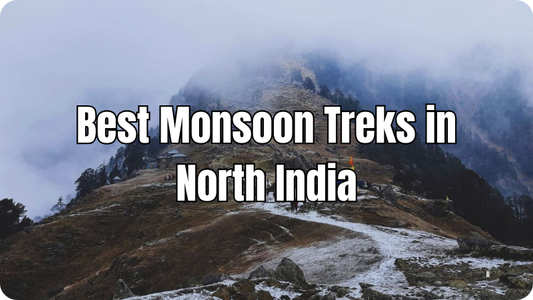
Most people pack away their hiking boots when the monsoon arrives. The assumption? Rain means slippery trails, leeches, and miserable camping. And sure, that's partly true. But here's what they're missing: the mountains transform completely during these months. Meadows turn impossibly green, waterfalls appear out of nowhere, and the trails? Nearly empty. North India, with its diverse terrain from Kashmir to Uttarakhand, offers some genuinely beautiful monsoon trekking if you know where to go. The best monsoon treks in North India aren't just doable—they're spectacular. You just need to be smart about which ones you pick.
Monsoon Trekking in Kashmir
Why Choose Kashmir in Monsoon
Kashmir during monsoon is different from what you'd expect. While the rest of India drowns under heavy downpours, Kashmir gets moderate, scattered rainfall. The valley doesn't flood; it blooms. Alpine flowers carpet the meadows in colors you didn't know existed in nature. The air smells like wet grass and pine. Streams swell but don't rage. And because most trekkers avoid the season entirely, you'll have trails almost to yourself.
The weather can be moody—one moment sunny, next moment drizzling—but that's part of the charm. Just layer up and embrace it.
Best Monsoon Treks in Kashmir
Marchoi Trek is perfect if you're new to monsoon trekking. It's a 3-4 day route through dense forests where you'll hear streams before you see them. The trails stay relatively stable even after rain, and the meadows at higher elevations are stunning. You'll walk under canopies that shelter you from light showers, and camp beside water that's crystal clear.
Silent Meadows Trek lives up to its name, especially in monsoon when even fewer people venture out. The vast grasslands stretch endlessly, dotted with wildflowers. There's something deeply peaceful about camping here while clouds roll across the valley floor. It's not technically difficult, but you need to be comfortable with mud and wet grass.
Tosamaidan Trek is historically fascinating—these meadows were once military grounds. Now open to trekkers, the route takes you through traditional villages where locals are still adjusting to seeing hikers pass through. The meadows are enormous and green, and you get 360-degree mountain views when the clouds part. It's an easy 2-3 day trek, good for families too.
Kashmir Great Lakes Trek in early monsoon is only for experienced trekkers who don't mind taking calculated risks. Some sections can get tricky with rain, and you absolutely need a guide who knows current conditions. But if you time it right—say, late June—you catch the lakes filling up and meadows just starting to bloom, all without the usual crowds.
Safety & Tips for Kashmir Monsoon Treks
Don't skip hiring local guides here. They know which streams are safe to cross and which trails turn dangerous after rain. Weather changes fast in Kashmir, so always have a backup plan. Some areas still require permits, and honestly, with the political sensitivity of the region, it's better to trek with organized groups that handle documentation. Respect any restricted zones—it's not worth the risk.
Monsoon Treks in Uttarakhand
Why Uttarakhand Shines in Monsoon
Uttarakhand gets serious rainfall, no sugarcoating that. But it also becomes ridiculously lush. Forests drip with moisture, waterfalls appear on every cliff face, and the whole landscape feels alive. Ancient pilgrimage trails that have existed for centuries still function during monsoon—clearly, it's possible to trek here safely if you're careful.
The variety is incredible. You can do easy spiritual walks or challenging high-altitude routes. Just understand that some areas are genuinely risky during peak monsoon, so choose wisely.
Best Monsoon Treks in Uttarakhand
Valley of Flowers Trek is monsoon trekking royalty. This is literally the season to go. July to early August is when the valley explodes into bloom—hundreds of flower species creating this surreal carpet of color. Yes, it rains. Yes, you'll get wet. But standing in that valley with flowers everywhere and mist swirling around peaks is worth every soggy step. The trail gets slippery, so good trekking shoes are non-negotiable.
Kunjapuri Temple Trek is your safe bet if you want monsoon views without high risk. It's a short climb near Rishikesh to a hilltop temple. The Ganges Valley looks gorgeous when partially hidden by monsoon clouds, and you get Himalayan views when weather clears. Locals trek this year-round, which tells you something about its accessibility. Good for sunrise, good for beginners.
Panwali Kantha Trek in early monsoon offers vast bugyals (high-altitude meadows) that turn bright green. It's a 5-6 day trek through forests and grasslands in the Tons Valley. The route is less traveled even in peak season, so in monsoon you're really on your own. That meadow at the top, surrounded by peaks with clouds rolling through—it's the kind of place where you just sit quietly and absorb it.
Har Ki Dun Trek combines green valleys with village culture. The monsoon makes everything lush, and the traditional wooden villages along the route look like something from a folktale. It's moderately challenging, and while rain is common, the trail is well-established. You're walking through ancient forests where rainfall just adds to the atmosphere.
Phulara Ridge Trek in monsoon has this dreamy quality with mist constantly moving across the ridgeline. The 360-degree views appear and disappear as clouds shift. It's magical but also demands respect—visibility can drop suddenly, and you need a guide who knows the route cold.
Monsoon Precautions in Uttarakhand
Landslides are the real concern here. Avoid routes known for them—Kedarnath route, for example, is genuinely dangerous during heavy monsoon. Always check recent weather and get local updates before starting any trek. Invest in proper waterproof gear, not just rain jackets but also shoe covers or waterproof boots. Regular sneakers will be soaked and useless within an hour.
Monsoon Treks in Himachal Pradesh
Why Trek in Himachal During Monsoon
Himachal's advantage is altitude. Many trekking routes here are high enough that they receive less rainfall than lower regions. You get dramatic landscapes—stark, sometimes—with the added drama of monsoon weather patterns. Remote valleys that are already isolated feel even more so when clouds hide the peaks.
Best Monsoon Treks in Himachal Pradesh
Bhrigu Lake Trek works in early monsoon before the heaviest rains arrive. It's a short 3-4 day trek but gains altitude quickly to around 14,000 feet. The lake sits in a bowl surrounded by ridges, and when clouds part, the turquoise water against grey rock is stunning. Good for people who want altitude without committing to a long expedition.
Hampta Pass is better attempted in late monsoon when rainfall decreases but greenery remains. This trek crosses from green Kullu Valley to stark Lahaul, giving you two completely different landscapes. The pass crossing itself can be challenging in rain, so timing matters.
Friendship Peak Base Camp in early monsoon is about the approach trek more than the peak itself. You're walking through Solang Valley when it's verdant, with fewer tourists around. The base camp sits high enough to be above most rain clouds, offering clear views when lower valleys are socked in.
Miyar Valley Trek is raw and remote. Monsoon here means you might genuinely not see another trekker for days. The landscapes are dramatic—rocky, alpine, with patches of green and glacial streams everywhere. It's for experienced trekkers who can handle solitude and unpredictable weather.
Himachal Monsoon Trek Tips
Stick to higher altitude routes where rainfall is lighter. Check road conditions carefully—approach roads to many trailheads can get blocked by landslides. Have buffer days in your schedule because weather delays are common. And honestly, embrace the possibility that you might spend a day tent-bound reading while rain pounds outside. That's part of monsoon trekking.
How to Choose the Right Monsoon Trek
Be honest about your fitness and experience. Monsoon adds difficulty to any trek—trails are slippier, visibility can drop, and you need more mental resilience when it's constantly damp. If you're new to trekking, start with something short and well-established like Kunjapuri or Tosamaidan.
Understand that different regions have different monsoon patterns. Kashmir gets moderate scattered rain. Uttarakhand can have heavy continuous rainfall. Himachal's high routes stay drier. Choose based on how much rain you're actually willing to deal with.
Short treks (2-4 days) are easier to time around weather windows. Longer expeditions require more flexibility and backup plans. And unless you're genuinely experienced, don't attempt monsoon treks independently. Local guides know current conditions and safe routes, which matters exponentially more when weather is unpredictable.
Safety Tips for Monsoon Trekking in North India
Track weather obsessively before and during your trek. Apps help, but local knowledge is better. Never attempt river crossings after heavy rain—water levels rise shockingly fast. Your gear checklist should include proper rain covers for bags, waterproof layers, quick-dry clothes, and extra socks (you'll want dry ones every evening).
Pack a basic first aid kit and know how to use it. Emergency evacuation is slower and harder during monsoon. Inform someone of your trekking plans and expected return. Carry offline maps because phone signals are unreliable. And perhaps most importantly, be willing to turn back if conditions deteriorate. The mountain will still be there next season.
Conclusion: Monsoon Treks—For the Prepared and Curious
Monsoon trekking isn't for everyone, and that's fine. But if you're willing to get wet, deal with some uncertainty, and see the mountains at their absolute greenest and most alive, it's incredibly rewarding. North India offers enough variety that you can find your comfort level—from easy temple walks to challenging high-altitude routes. Just do your homework, respect the weather, pack smart, and maybe you'll join the small club of people who actually prefer trekking when everyone else stays home. The trails are quieter, the colors are better, and honestly? There's something special about earning those views in the rain.
Frequently Asked Questions
Q: Is monsoon trekking actually safe, or am I just asking for trouble?
Monsoon trekking can be safe if you choose the right trek and prepare well. Routes like Valley of Flowers and Kunjapuri Temple are proven monsoon treks. Avoid landslide-prone areas, trek with guides, and stay flexible with weather plans.
Q: What gear is absolutely essential for monsoon trekking?
Waterproof rain jacket and pants, backpack rain cover, dry bags, quick-dry clothes, extra socks, and good trekking shoes are essential. Expect to get wet—staying warm and preventing soaked gear matters more than staying completely dry.
Q: Will clouds block all the views?
Sometimes, yes—but not always. Monsoon offers dramatic cloud movements, misty valleys, and surprise clear views, especially early mornings. You trade constant clear skies for lush landscapes, fewer crowds, and a more atmospheric trekking experience.
Q: Can beginners do monsoon treks?
Yes, beginners can do monsoon treks if they choose easy routes like Kunjapuri Temple, Tosamaidan, or Marchoi Trek. Avoid difficult or remote treks initially. Go with a guide and build confidence before attempting harder monsoon routes.
Q: How do I know if a trek is unsafe due to weather?
Guides or trekking companies usually decide based on forecasts and ground conditions. Independent trekkers should check weather updates, consult locals, and follow forest advisories. If conditions feel unsafe, turn back—safety always comes first.
Q: What’s the deal with leeches during monsoon trekking?
Leeches are common in forested areas but harmless. Wear long pants tucked into socks and use salt if needed. They’re unpleasant but not dangerous. Open meadows and higher-altitude treks usually have fewer leeches.
Written By:
Jagat Nath

Hotels at your convenience
Now choose your stay according to your preference. From finding a place for your dream destination or a mere weekend getaway to business accommodations or brief stay, we have got you covered. Explore hotels as per your mood.