Best Nature Spots in Cyprus
 Sara Saroshk
17 Feb, 2026
11 mins read
78
Sara Saroshk
17 Feb, 2026
11 mins read
78
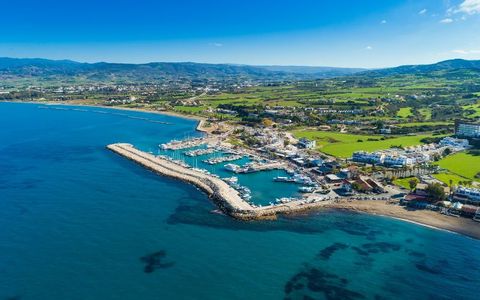
Cyprus surprises people. Not because it’s wild in a dramatic, untamed way, but because the nature here is quieter and more varied than expected. You can swim in clear water in the morning, walk through pine forests by midday, and watch the sun drop behind empty cliffs in the evening.
I’ve explored the island slowly—by car, on foot, and occasionally by accident after missing a turn. The best nature spots aren’t always the ones on postcards. They’re the places where the crowds thin, the wind picks up, and the island shows a more grounded side.
If you’re planning a trip that leans toward relaxed comfort, even something like Cyprus luxury seaside holidays, these are the natural places that balance beauty with breathing room.
Troodos Mountains
Cool air, forest trails, and real quiet
Most visitors associate Cyprus with heat. Troodos is where you escape it.
The mountains are green, shaded, and noticeably cooler. Pine forests, small waterfalls, and villages that feel more inland Greek than coastal Mediterranean. Walking trails are well-marked but rarely busy.
Most people miss this: go higher than you think. The air changes quickly, and so does the mood. Even short walks here feel restorative.
Spring is ideal. Wildflowers line the paths, and the streams actually flow. In summer, it’s still a relief from the coast.
Caledonia Waterfalls
A gentle hike with a real payoff
This is one of the few places in Cyprus where water feels central rather than decorative.
The trail follows a shaded stream, with wooden bridges and cool air even in warmer months. The waterfall itself isn’t massive, but the walk there is the point.
This is where trips often go wrong: people wear flip-flops. Don’t. The stones get slick, and footing matters more than the distance suggests.
Go early in the day. By midday, the narrow sections get congested.
Akamas Peninsula
Rugged, remote, and worth the effort
Akamas feels like a different island.
No resorts. No polished roads. Just rough tracks, low shrubs, cliffs, and wide-open sea views. It’s raw in a way that’s increasingly rare.
Driving here requires patience. Walking requires water. Both are worth it.
Most people only visit the Blue Lagoon by boat and leave. That’s fine—but the interior trails are where the peninsula shows its character. Silence. Wind. Space.
If you’re not comfortable with rough terrain, don’t force it. Akamas rewards respect, not speed.
Avakas Gorge
Dramatic without being overwhelming
Avakas Gorge is one of the most striking landscapes on the island. High limestone walls close in as you move deeper, and the temperature drops noticeably.
The walk is short but uneven. You’ll step through shallow water, climb over rocks, and occasionally squeeze through narrow sections.
Most people turn back early. Keep going if conditions allow. The gorge opens and closes rhythmically, and the deeper sections feel almost theatrical.
Avoid this after heavy rain. Flash flooding is rare but real.
Cape Greco
Cliffs, light, and clean lines
Cape Greco is easy to access and still manages to feel open.
The landscape here is simple: white rock, blue water, low vegetation. The walking paths are flat, making it good for slow exploration rather than effort.
The sea caves are best seen from above first. Climbing down isn’t always safe, especially when waves are active.
Sunrise here is underrated. Fewer people, softer light, and a calmer feel than the busy beaches nearby.
Nissi Beach
Not just a party beach
Nissi has a reputation, and it’s not entirely wrong. By midday, it’s loud.
But early morning or late afternoon tells a different story. Shallow, clear water. Soft sand. A long, easy swim that feels almost effortless.
Most people don’t realize how calm this beach can be outside peak hours. Timing changes everything.
If you want nature without isolation, this is a good compromise.
Fig Tree Bay
Reliable, clear, and swimmable
Fig Tree Bay doesn’t try to be dramatic. It just works.
The water is consistently clear and calm, making it one of the best swimming spots on the island. The bay shape protects it from wind, which matters more than people expect.
Yes, it’s popular. But it’s popular because it’s dependable.
Walk toward the edges of the bay if you want quieter patches. Most people cluster near the center.
Pissouri Bay
Open space and fewer voices
Pissouri sits between Limassol and Paphos and often gets overlooked.
The bay is wide, with pebbles instead of sand and strong light reflecting off the water. Swimming here feels refreshing rather than leisurely.
Wind can pick up in the afternoon. Mornings are better if swimming is your priority.
It’s not dramatic, but it’s honest—and that goes a long way.
A few things worth knowing
- Cyprus nature is seasonal. Spring and autumn are best.
- Summer heat limits hiking hours. Start early or don’t start at all.
- A car makes a big difference outside cities.
- “Easy” trails can still be rocky and uneven.
Conclusion
Cyprus doesn’t overwhelm with scale. It wins with contrast.
Mountains and sea. Forest shade and open cliffs. Busy beaches and empty trails—all within short drives of each other. The best nature spots aren’t hidden; they’re just slightly off the main rhythm.
Whether you’re moving slowly through the island or blending these places into more refined Cyprus luxury seaside holidays, the key is balance. Mix comfort with curiosity. Plan loosely. And leave time to sit somewhere quiet and let the landscape do the talking.
That’s when Cyprus feels most natural.
FAQs
1. When is the best time to explore nature in Cyprus?
March to May and September to November offer the best balance of weather and access.
2. Do I need a car to visit these nature spots?
For most of them, yes. Public transport is limited outside cities.
3. Are hiking trails well-marked?
In Troodos and Cape Greco, yes. In Akamas, navigation skills help.
4. Is Cyprus suitable for beginner hikers?
Yes, if you choose shorter trails and avoid peak summer heat.
5. Are these areas safe to visit independently?
Generally yes. Basic preparation and weather awareness are enough.
6. Can I combine beach time and nature easily?
Absolutely. Distances are short, and transitions are easy.
7. Is Cyprus nature family-friendly?
Many spots are, especially beaches and forest trails with gentle terrain.
Written By:
Sara Saroshk

Hotels at your convenience
Now choose your stay according to your preference. From finding a place for your dream destination or a mere weekend getaway to business accommodations or brief stay, we have got you covered. Explore hotels as per your mood.