Best Thai Street Food You Must Try
 Sara Saroshk
10 Feb, 2026
10 mins read
102
Sara Saroshk
10 Feb, 2026
10 mins read
102
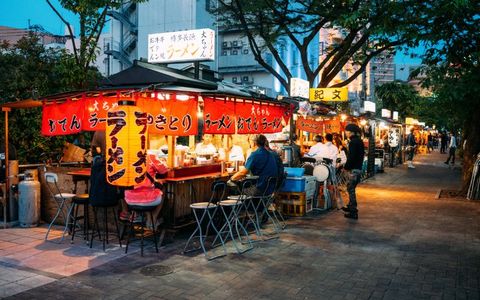
Thai street food isn’t a side activity. It is the experience.
Meals happen on plastic stools. Orders are shouted over sizzling woks. You eat fast, slow, standing, sitting—sometimes all in one evening. And somehow, the food almost always lands exactly where it should.
If you’re coming on trips to Thailand from UAE or anywhere else, this is the part of Thailand that doesn’t need planning or translation. You point. You smile. You eat. But knowing what to look for helps, because not everything that looks good tastes good—and not everything that tastes amazing looks impressive.
This isn’t a list built from food tours or hype. It’s based on what locals actually eat, what travelers return to, and where first-timers often make the wrong call.
Pad Thai: Familiar, But Often Misunderstood
You’ve had Pad Thai before. Probably many times.
Here’s the truth: most street Pad Thai is good, but not life-changing. It’s a solid baseline dish. The version that stands out is usually cooked to order, not sitting pre-mixed in a tray.
Watch for a vendor who cracks eggs straight into the wok, adds noodles last, and finishes with dried shrimp and a squeeze of lime. If it’s rushed or overly sweet, move on.
This is where trips often go wrong—people judge Thai food by the first Pad Thai they eat. Don’t. It’s just the beginning.
Khao Moo Daeng: The Lunch You Didn’t Know You Needed
This is roasted red pork over rice, often with crispy pork belly, Chinese sausage, and a soft-boiled egg.
It doesn’t photograph well. That’s why many people skip it. Big mistake.
The sauce matters here. Sweet, salty, slightly sticky. If the pork glistens and the rice is still steaming, you’re in the right place.
Locals eat this for lunch, fast and often. If you see office workers lining up, follow them.
Som Tam: Spicy Means Spicy
Green papaya salad looks harmless. It isn’t.
Som Tam is fresh, sour, spicy, salty, sometimes sweet—all at once. The best versions are made to order in a mortar, not scooped from a bowl.
Here’s the warning: “medium spicy” can still be intense. If you’re not used to Thai heat, say so. There’s no shame in starting mild.
Also, if you see fermented crab in the mix and you’re unsure, ask. That version is beloved locally, but not for everyone.
Moo Ping: The Smell That Pulls You In
Grilled pork skewers are everywhere in Thailand, especially in the mornings and late afternoons.
Moo Ping is marinated pork, grilled slowly over charcoal. Slightly sweet, smoky, juicy when done right.
Most people grab one and keep walking. Grab two. Eat one immediately. Save the other for five minutes later when you wish you had more.
Pair it with sticky rice. That’s the move.
Boat Noodles: Small Bowls, Big Flavor
Boat noodles come in small portions for a reason. You’re meant to eat several.
The broth is dark, rich, and deeply savory. Often made with pork or beef, sometimes thickened with blood (yes, really). It sounds intense. It tastes incredible.
This is where trips often go wrong: people order one bowl, think it’s just okay, and leave. The second and third bowls are where it clicks.
Eat slowly. Let the flavors build.
Kai Jeow: The Omelet That Deserves Respect
Thai omelets are not breakfast food. They’re an anytime food.
Deep-fried, fluffy, crisp on the edges, often filled with minced pork or herbs. Served over rice with chili sauce.
It’s simple. It’s cheap. And when done well, it’s deeply satisfying.
This is the dish locals eat when they don’t want to think about food. That should tell you something.
Khao Krapao: The Dish Everyone Comes Back To
If there’s one dish travelers end up eating repeatedly, it’s this.
Stir-fried minced meat with holy basil, garlic, and chilies, served over rice with a crispy fried egg.
The key is the basil. It should be fragrant and slightly peppery, not sweet. If it smells good from three meters away, you’re in the right place.
Order it once. You’ll order it again.
Mango Sticky Rice: Timing Matters
Mango sticky rice is famous for a reason—but only when mangoes are in season.
Look for bright yellow mango, glossy sticky rice, and coconut cream that’s warm, not watery.
This is dessert, yes. But it’s also a comfort food. Eat it sitting down. Don’t rush it.
If the mango looks pale or hard, skip it. There will be another stall.
Fried Snacks: Trust Your Eyes
Spring rolls, fried bananas, taro, sweet potatoes. These snacks are everywhere.
The rule is simple: eat what’s frying now, not what’s been sitting. Fresh oil, high heat, quick turnover.
If it smells clean and looks crisp, it’s usually safe and delicious.
Where to Eat (Without Overthinking It)
Street food works best where people live and work. Near transit stations. Outside office buildings. Along busy evening streets.
Night markets are fun, but neighborhood stalls often deliver better food with less pressure.
If you’re on trips to Thailand from UAE and limited on time, don’t stress about chasing famous stalls. Good street food finds you if you stay curious.
Hygiene: What Actually Matters
Look for:
- High turnover
- Fresh cooking
- Clean surfaces
Avoid:
- Food sitting uncovered for hours
- Stalls with no customers
Most problems come from overeating, not hygiene.
Final Thoughts
Thai street food isn’t about finding “the best” dish. It’s about rhythm.
Eat a little. Walk. Eat again. Follow smells. Watch locals. Adjust.
You’ll eat something incredible without planning it. That’s the point.
And long after you forget temple names or hotel rooms, you’ll remember the plastic stool, the heat, and that one dish you still think about months later.
FAQs
1. Is Thai street food safe to eat?
Generally yes, if you choose busy stalls with fresh cooking.
2. Will the food be too spicy?
It can be. Ask for mild if needed.
3. Do I need a food tour?
Not necessary, but helpful if you want structure.
4. Is street food available all day?
Yes, though peak times are morning and evening.
5. Can vegetarians eat Thai street food?
Yes, but ask about fish sauce and shrimp paste.
6. What’s the biggest mistake travelers make?
Eating too much at once instead of pacing themselves.
Written By:
Sara Saroshk

Hotels at your convenience
Now choose your stay according to your preference. From finding a place for your dream destination or a mere weekend getaway to business accommodations or brief stay, we have got you covered. Explore hotels as per your mood.