Best Time for Kedarkantha Trek from Delhi: Weather & Seasonal Guide
 Aditii Kkkk
28 Nov, 2025
7 mins read
59
Aditii Kkkk
28 Nov, 2025
7 mins read
59
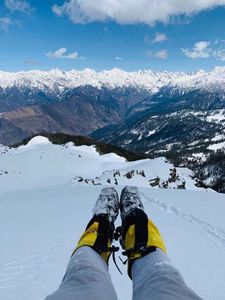
The Kedarkantha Trek is one of the most popular Himalayan treks for beginners. It offers beautiful forests, open meadows, and a stunning summit view. The experience becomes even better when you choose the right season. Weather affects everything—difficulty, scenery, costs, and safety. This guide will help you understand the best time to visit, month-by-month, in a simple and friendly way.
What the Kedarkantha Trek Feels Like
The trek starts from a small and peaceful village called Sankri. The trail moves through pine, maple, and oak forests. You will walk through clearings like Juda Ka Talab and Hargaon. These places are perfect for camping and stargazing. The most exciting part of the trek is the summit climb. You start early in the morning. When you reach the top, you see a golden sunrise over peaks like Swargarohini and Black Peak.
Each season changes the look and feel of the trek, so choosing your time is important.
Winter: December to March (Most Popular Season)
Winter is the classic season for the Kedarkantha trek. Everything becomes white and snowy. Trees, trails, and campsites look magical. Many trekkers from Delhi choose this time because it offers a true snow trek experience.
But winter can be tough. Temperature can drop to –10°C at night. You need warm layers, gloves, and strong trekking shoes. Roads can be slippery too.
Since winter is the peak season, prices for stays and guides are higher. If you are planning a Christmas or New Year trek, book early.
Spring: April to June (Clear Weather & Comfortable Trek)
Spring brings pleasant weather. The snow melts slowly. Fresh green meadows appear. Oak and rhododendron trees bloom. The sky stays clear, which is great for photography.
The trail becomes easier during this time. The summit climb feels comfortable without deep snow.
Nearby attractions like Govind Pashu Vihar and Mori are fully open. This season is also good for budget travellers because rates drop after winter.
Monsoon: July to September (Scenic but Not Recommended)
Monsoon is not the best time for beginners. The trail becomes muddy and slippery. Landslides are common in Uttarakhand. Fog reduces visibility.
Even the journey from Dehradun to Sankri can become difficult.
However, the scenery is beautiful. Forests look fresh and green. Streams overflow with clear water. If you are an experienced trekker and don’t mind rain, you may enjoy this quiet, misty season.
Autumn: October to November (Clear Skies & Amazing Views)
Autumn is one of the best seasons that many people overlook. The sky becomes bright and clean after the monsoon. Mountains look sharp and clear.
The temperature is cool but not freezing. The forests turn golden and orange.
There is little snow during this time, so the trek becomes easier. It is perfect for beginners and photographers.
Accommodation is easy to find, and the crowd is less compared to winter.
How to Reach Kedarkantha from Delhi
The easiest route is:
Delhi → Dehradun → Purola → Sankri
You can take a train or bus to Dehradun. From there, take a shared taxi or bus to Sankri. The total journey takes around 12–14 hours.
Local tip:
Start early from Dehradun. Roads after Purola become narrow and foggy in the evening.
A Simple 4-Day Itinerary
Here is a common plan:
Day 1: Delhi → Dehradun → Sankri
Day 2: Sankri → Juda Ka Talab
Day 3: Juda Ka Talab → Kedarkantha Base
Day 4: Summit → Back to Sankri
Add one extra day if you want a slow and relaxed trek.
Safety, Budget, and Useful Tips
Carry proper warm layers. Keep your socks and gloves dry. Drink enough water.
If you are trekking in winter, hire a certified local guide. They know the safest paths.
Budget travellers can expect to spend ₹7,000 to ₹12,000 from Delhi. Winter costs may be slightly higher.
Some important tips:
- Carry cash. ATMs are not available near Sankri.
- Avoid plastic bottles and wrappers.
- Start the summit climb early, around 3–4 AM.
- Respect local culture. Villagers are very warm and helpful.
Final Thoughts
The best time for the Kedarkantha trek from Delhi depends on the kind of adventure you want. Choose winter for snow. Choose spring for flowers and easy weather. Choose autumn for clear skies. Avoid monsoon unless you are highly experienced.
Written By:
Aditii Kkkk

Hotels at your convenience
Now choose your stay according to your preference. From finding a place for your dream destination or a mere weekend getaway to business accommodations or brief stay, we have got you covered. Explore hotels as per your mood.