Best Time to Visit Ali Bedni Bugyal for Clear Himalayan Views
 Aakash Rawat
29 Aug, 2025
10 mins read
94
Aakash Rawat
29 Aug, 2025
10 mins read
94
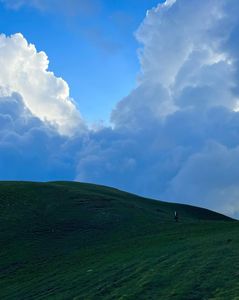
Ali Bedni Bugyal, located in the Chamoli district of Uttarakhand, is one of the largest and most stunning high-altitude meadows in India. At an altitude of about 11,000 feet, it offers sweeping views of the Himalayan peaks, making it a favorite destination for trekkers and nature lovers. The green rolling meadows stretch endlessly, while giants like Trishul, Nanda Ghunti, and Chaukhamba rise in the background.
But to experience the true charm of Ali Bedni Bugyal, timing matters. The weather and seasons change the look of the meadow dramatically. Knowing the best time to visit ensures you get clear mountain views, pleasant weather, and the chance to see the landscape at its finest.
Ali Bedni Bugyal in Summer (May to June)
Summer is one of the most popular times to visit Ali Bedni Bugyal. As the snow melts, the meadows turn bright green and come alive with wildflowers. The weather is pleasant, with daytime temperatures ranging between 12°C and 18°C, while nights can be cold but manageable.
During this time, trekkers get crystal-clear views of Himalayan peaks. The long days and stable weather make trekking easier, and the sight of sheep grazing in vast meadows adds to the beauty. Summer is also the best time for first-time trekkers, as trails are open and safe.
Ali Bedni Bugyal in Monsoon (July to September)
The monsoon season covers the meadows in fresh greenery, making them look like a painter’s canvas. The rainfall turns the meadows lush, but trekking becomes challenging because of slippery trails and the risk of landslides.
That said, this season is magical for those who love solitude and the sight of clouds floating around the mountains. The monsoon also brings a fresh bloom of alpine flowers, making the meadows colorful. However, clear Himalayan views are rare as peaks are often hidden behind clouds. Only experienced trekkers usually choose this time.
Ali Bedni Bugyal in Autumn (October to November)
Autumn is considered one of the best seasons to visit Ali Bedni Bugyal trek. After the monsoon, the skies clear up, and the Himalayan peaks are visible in their full glory. The air is crisp, and the golden-brown shades of the meadows create a picture-perfect setting.
With clear skies and moderate temperatures, trekkers can enjoy long hours of walking without weather disruptions. Nights are colder compared to summer, but the reward of watching sunrise and sunset over Trishul and Nanda Ghunti makes it worth it. This is also the best time for photographers who want sharp mountain views without haze.
Ali Bedni Bugyal in Winter (December to April)
Winter transforms Ali Bedni Bugyal into a snow-covered wonderland. The meadows are buried under thick snow, and the trek becomes more challenging. Temperatures drop below freezing, and only experienced trekkers with proper gear attempt the trail during this season.
Though winter makes the trek tough, it also offers a completely different experience. Snowfields, frozen streams, and the silence of the Himalayas give the trek a magical touch. For most visitors, though, the meadows remain inaccessible in peak winter.
Best Season for Clear Himalayan Views
If your main goal is to enjoy unobstructed views of the Himalayas, then summer (May–June) and autumn (October–November) are the best seasons.
- Summer – Meadows are green, skies are clear, and flowers begin to bloom.
- Autumn – Skies are the clearest after the rains, making mountain views sharper than ever.
Both these windows give you the best chance to witness Trishul, Nanda Ghunti, and other Himalayan giants in their full glory.
Why Timing Matters
Choosing the right season for visiting Ali Bedni Bugyal makes all the difference.
- In summer, you see greenery and flowers.
- In monsoon, you get solitude but cloudy skies.
- In autumn, you enjoy crystal-clear mountain views.
- In winter, you see snow but face extreme cold.
Every season offers a unique charm, but if you want the complete experience of trekking with great views and safe trails, summer and autumn stand out as the best.
Tips for Planning Your Trip
- Book in Advance – Summer and autumn are the peak trekking seasons, so campsites and guides get booked quickly.
- Pack for the Season – Carry rain gear for monsoon, light layers for summer, and heavy woolens if trekking in autumn or early winter.
- Acclimatize Well – The trek reaches over 11,000 feet, so take it slow and allow your body to adjust.
- Hire Local Guides – They not only help with navigation but also enrich the experience with stories and knowledge about the region.
- Carry Essentials – Always keep water, dry snacks, a good pair of trekking shoes, and a first-aid kit.
Conclusion
Ali Bedni Bugyal is more than just a trek; it is an experience of walking through endless meadows with the Himalayas watching over you. The best time to visit depends on what you seek—lush greenery in summer, solitude in monsoon, clear mountain views in autumn, or snowy silence in winter.
For most trekkers, May–June and October–November remain the ideal windows for enjoying the trek with clear Himalayan views. Planning your journey in these months ensures you return not only with blessings from nature but also with memories of landscapes that stay etched in your heart forever.
Frequently Asked Questions about Ali Bedni Bugyal
1. Which peaks are visible from Ali Bedni Bugyal?
From the meadows, trekkers get clear views of Trishul, Nanda Ghunti, Chaukhamba, and Hathi Ghoda peaks. On a clear day, these mountains look especially stunning during sunrise and sunset.
2. Is the Ali Bedni Bugyal trek good for beginners?
Yes, the trek is suitable for beginners with basic fitness. The trails are moderate, and the gradual climb allows first-time trekkers to enjoy without extreme difficulty.
3. What is the best time to visit Ali Bedni Bugyal for clear views?
The best time for sharp Himalayan views is summer (May–June) and autumn (October–November), when the skies are clear and weather is stable.
4. How long is the Ali Bedni Bugyal trek?
The trek usually takes 5 to 6 days, depending on the route and pace. Most itineraries start from Lohajung and pass through villages like Didna and Wan.
5. Can we camp at Ali Bedni Bugyal?
Yes, camping is one of the highlights of the trek. The wide open meadows provide beautiful campsites where trekkers can sleep under a sky full of stars.
6. What is the altitude of Ali Bedni Bugyal?
Ali Bedni Bugyal is located at an altitude of about 11,000 feet (3350 meters) above sea level.
7. Do I need a guide for the trek?
While experienced trekkers can manage on their own, it is highly recommended to hire a local guide for navigation, safety, and to support local livelihoods.
Written By:
Aakash Rawat

Hotels at your convenience
Now choose your stay according to your preference. From finding a place for your dream destination or a mere weekend getaway to business accommodations or brief stay, we have got you covered. Explore hotels as per your mood.