Best Time to Visit Gaumukh Tapovan Trek in 2026
 Deepanshu Negi
25 Mar, 2026
12 mins read
135
Deepanshu Negi
25 Mar, 2026
12 mins read
135
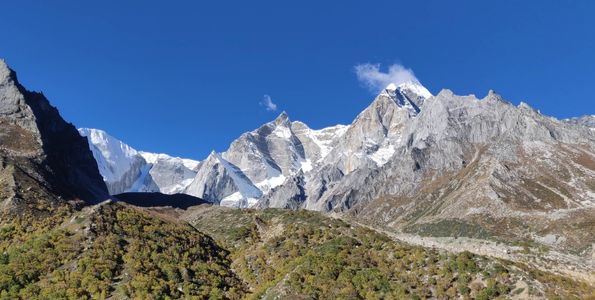
The Gaumukh Tapovan Trek stands among the most iconic high-altitude journeys in India. It takes you to the source of the sacred Ganga River at Gaumukh and further to the surreal meadows of Tapovan, right below the mighty Mount Shivling.
But here’s the thing. Timing this trek wrong can turn a dream adventure into a cold, risky struggle. Weather in the Himalayas does not forgive poor planning. So, choosing the right season is not just helpful, it is essential.
Let’s break it down in a simple, practical way so you can plan this trek like a pro.
Why Timing Matters for Gaumukh Tapovan Trek
This trek climbs to an altitude of around 4,463 meters. That alone brings challenges like thin air, sudden weather shifts, and extreme temperatures.
Unlike lower altitude treks, you cannot just “adjust” here. Snow, landslides, and glacier conditions change quickly. The route passes through Gangotri National Park, which also has strict entry regulations and seasonal access.
So yes, timing affects:
- Safety
- Trail accessibility
- Scenic beauty
- Overall experience
Now let’s look at each season clearly.
Best Time for Gaumukh Tapovan Trek
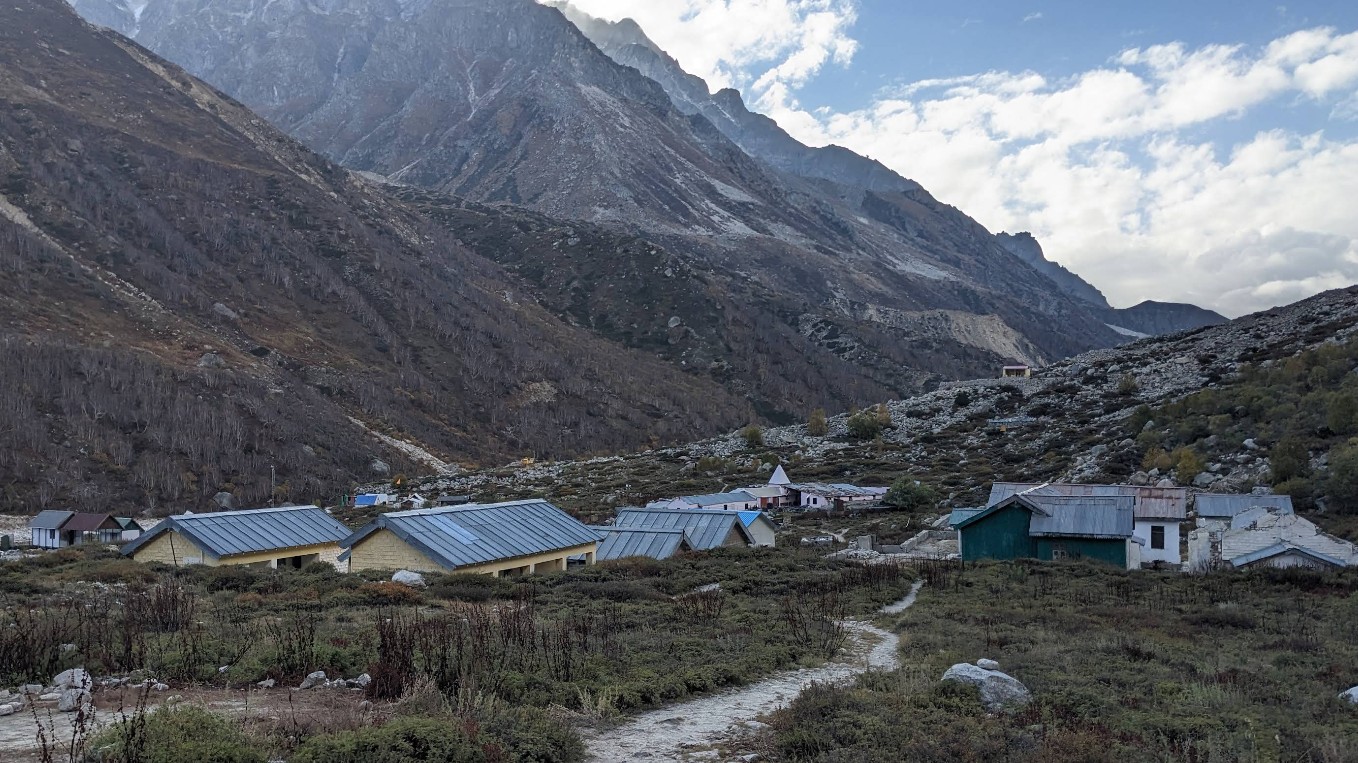
May to June - The Ideal Summer Window
If you ask experienced trekkers, this is the sweet spot.
During these months, the snow starts melting and opens up the trail from Gangotri to Gaumukh and Tapovan.
What makes this season great:
- Day temperatures stay between 10°C to 15°C
- Nights drop below freezing but remain manageable
- Clear skies offer stunning mountain views
- The glacier becomes more accessible
You get breathtaking views of peaks like Shivling and Bhagirathi group without extreme weather pressure.
However, expect moderate crowd levels. After all, everyone likes “perfect timing.”
September to October - The Post-Monsoon Magic
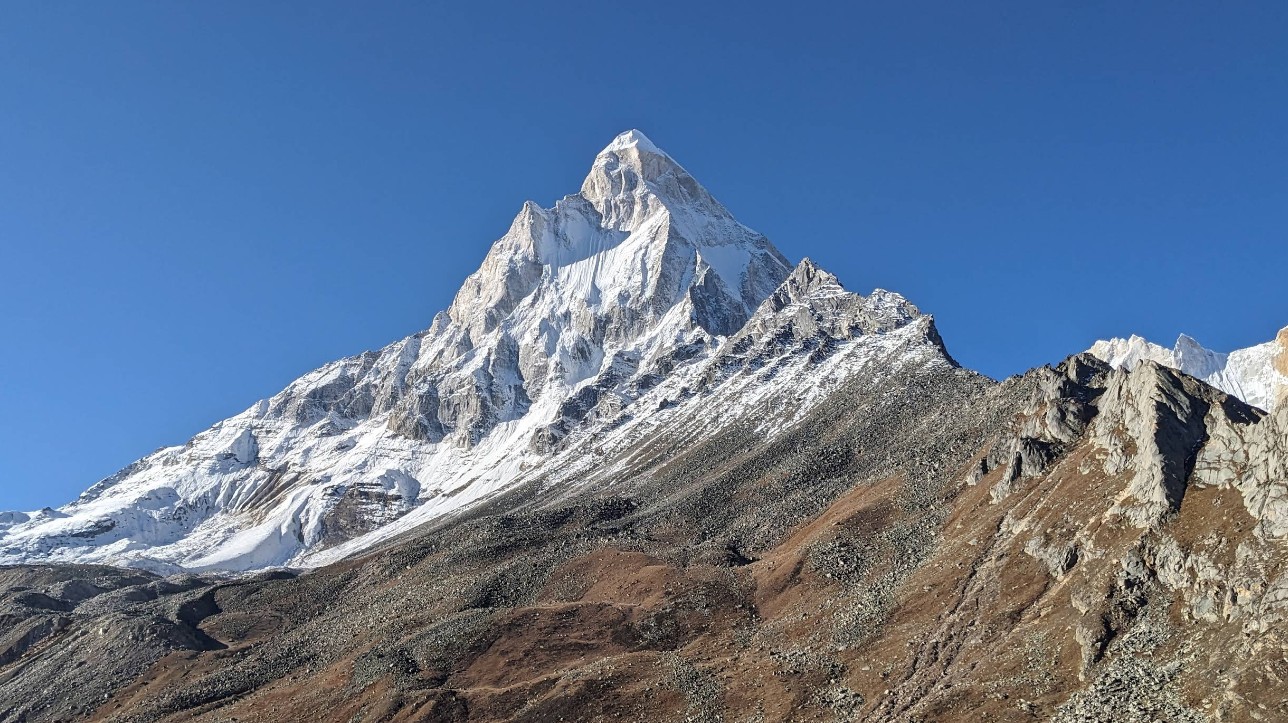
This is another excellent window, and many trekkers prefer it even more than summer.
After the monsoon washes the dust away, the mountains look sharper, greener, and more dramatic.
Why this season stands out:
- Crystal clear visibility
- Fewer trekkers compared to summer
- Stable weather conditions
- Beautiful alpine landscapes at Tapovan
Temperatures drop faster here. Days feel pleasant, but nights can get quite cold, often below -5°C.
Still, if you enjoy quieter trails and postcard-like views, this is your time.
Seasons You Should Avoid
July to August - Monsoon Troubles
Trekking during monsoon might sound adventurous, but here it is more risky than rewarding.
Heavy rainfall affects the entire Garhwal Himalaya region.
Major issues during monsoon:
- Landslides on roads to Gangotri
- Slippery and unstable trails
- Increased river flow near Gaumukh
- Poor visibility due to clouds
Even local authorities often restrict movement for safety.
In simple words, this is not the time to test your luck.
November to April - Extreme Winter Conditions
Winter transforms this trek into a completely different challenge.
The trail gets buried under heavy snow, and temperatures can drop to -15°C or lower.
What makes winter difficult:
- Trail becomes inaccessible beyond certain points
- Risk of avalanches increases
- Harsh cold and strong winds
- Limited rescue and support options
Even experienced trekkers approach this season with caution and proper expedition planning.
For beginners or regular trekkers, it is best avoided.
Month-by-Month Breakdown
Here is a quick and practical overview:
- May: Trail starts opening, snow patches remain, scenic and exciting
- June: Best balance of weather and accessibility
- July-August: Avoid due to monsoon risks
- September: Fresh landscapes and excellent clarity
- October: Cold but incredibly beautiful
- November-April: Mostly closed or extremely challenging
Weather Conditions You Should Expect
Weather here does not follow city logic. It changes quickly.
Typical conditions in peak seasons:
- Sunny mornings and cloudy afternoons
- Sudden temperature drops after sunset
- Strong UV exposure during the day
- Cold winds at higher camps like Tapovan
Always pack layers. Think of it as dressing for two seasons in one day.
Permits and Regulations
Since the trek falls inside Gangotri National Park, you need a forest permit.
According to the Uttarakhand Forest Department:
- Limited number of trekkers allowed per day
- Mandatory registration at Gangotri
- ID proof required
- Eco fees applicable
These rules help protect the fragile Himalayan ecosystem.
So yes, you cannot just show up and start trekking like it is a weekend hike.
How to Choose the Best Time for You
Different trekkers prefer different experiences. Here’s a simple way to decide:
Go in May-June if you want:
- Comfortable temperatures
- Easier trekking conditions
- First-time high-altitude experience
Choose September–October if you want:
- Fewer crowds
- Sharper mountain views
- Better photography opportunities
Avoid trying to be “different” by trekking in risky seasons. The Himalayas already have enough personality.
Pro Tips for Perfect Timing
- Start early in the season window to avoid crowd peaks
- Check weather forecasts a week before departure
- Keep buffer days in your plan
- Always follow local authority updates
Most importantly, respect the mountain. It always has the final say.
Final Thoughts
The best time for the Gaumukh Tapovan Trek comes down to two clear windows: May to June and September to October.
Both seasons offer something unique. Summer gives accessibility and comfort. Post-monsoon gives unmatched clarity and peaceful trails.
If you plan wisely, this trek rewards you with one of the most powerful Himalayan experiences. Standing at Tapovan, with Shivling towering above, you will understand why timing matters so much.
And trust me, no photo does it justice. You have to see it yourself.
FAQ
1. What is the best time to do the Gaumukh Tapovan Trek?
The best time to visit Gaumukh Tapovan Trek is from May to June and September to October. These months offer stable weather, clear views, and safe trekking conditions.
2. Is the Gaumukh Tapovan Trek difficult?
Yes, it is considered a moderate to difficult trek. The high altitude, glacier crossings, and steep climbs near Tapovan require good fitness and some trekking experience.
3. Do I need a permit for the Gaumukh Tapovan Trek?
Yes, you need a permit to enter Gangotri National Park.
4. Can beginners do the Gaumukh Tapovan Trek?
Beginners can attempt it only if they have strong fitness levels and prepare properly. It is better to complete a few easier Himalayan treks before trying this one.
5. How many days are required for the trek?
The trek usually takes 6 to 8 days, starting from Gangotri and covering Gaumukh and Tapovan.
6. What is the altitude of Tapovan?
Tapovan sits at an altitude of around 4,463 meters, offering close views of Mount Shivling and nearby peaks.
7. Is it safe to trek during the monsoon season?
No, trekking during monsoon is risky due to landslides, slippery trails, and unstable weather in the Garhwal Himalaya region.
8. What kind of weather should I expect during the trek?
Expect pleasant days and very cold nights. Even in summer, temperatures can drop below freezing at higher camps like Tapovan.
9. Is a guide necessary for the Gaumukh Tapovan Trek?
While not always mandatory, hiring a guide is highly recommended for safety, navigation, and a smoother trekking experience.
10. Why is Gaumukh considered important?
Gaumukh is the snout of the glacier that forms the origin of the sacred Ganga River, making it spiritually significant for many visitors.
Written By:
Deepanshu Negi

Hotels at your convenience
Now choose your stay according to your preference. From finding a place for your dream destination or a mere weekend getaway to business accommodations or brief stay, we have got you covered. Explore hotels as per your mood.