Best Winter Treks in Uttarakhand for Snow Lovers (Late December to February)
 Deepanshu Negi
21 Dec, 2025
11 mins read
223
Deepanshu Negi
21 Dec, 2025
11 mins read
223
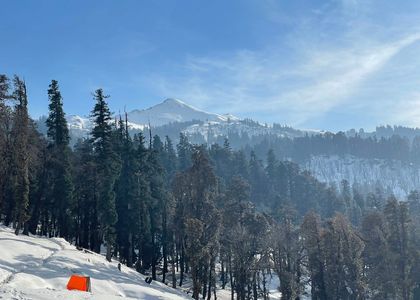
Winter in Uttarakhand does not mean staying indoors with a heater and hot tea. For snow lovers, it means stepping into white forests, frozen trails, and silent mountain mornings. From late December to February, many Himalayan trails turn into proper winter treks, offering fresh snowfall, clear skies, and manageable difficulty for fit beginners and experienced trekkers alike.
Unlike extreme alpine expeditions, winter treks in Uttarakhand stay within safe altitudes and well-marked routes. These treks focus on experience rather than risk. If you want real snow, logical planning, and reliable trail conditions, this season delivers exactly that.
This guide covers the most reliable winter treks in Uttarakhand that remain accessible, scenic, and safe during peak snow months.
Why Uttarakhand Is Ideal for Winter Treks
Uttarakhand sits at the heart of the Garhwal and Kumaon Himalayas. Its geography supports consistent snowfall without pushing trekkers into technical mountaineering zones. Most winter treks here range between 9,000 and 12,500 feet, which allows snow accumulation while keeping oxygen levels manageable.
Forest cover also plays a major role. Oak, pine, and rhododendron forests protect trails from strong winds and sudden whiteouts. Local villages remain active even in winter, which improves trail access, logistics, and emergency support.
According to long-term climate patterns observed by the India Meteorological Department (IMD) and Uttarakhand Tourism records, late December to February offers stable snow cover with fewer rain interruptions compared to early winter.
1. Kedarkantha Trek - The Classic Snow Trek
Kedarkantha remains one of the most popular winter treks in India, and for good reason. Snow starts appearing from the base village by late December and stays till early March in most years.
The trail passes through dense pine forests, open meadows, and gradual ascents that suit first-time winter trekkers. The summit climb offers a 360-degree Himalayan view, including Swargarohini, Bandarpoonch, and Black Peak.
What makes Kedarkantha reliable is its balanced terrain. The trail avoids avalanche-prone slopes and remains walkable even after heavy snowfall. Local villages like Sankri stay operational in winter, ensuring smooth logistics.
Best time: Late December to February
Ideal for: Beginners and first-time snow trekkers
Max altitude: Around 12,500 feet
2. Brahmatal Trek - Snow With Big Mountain Views
If frozen lakes and long snow walks excite you, Brahmatal fits perfectly. Located in Chamoli district, this trek offers continuous snow coverage from mid-trail onwards during peak winter.
Brahmatal stands out for its views of Mt Trishul and Mt Nanda Ghunti. Unlike forest-heavy treks, it mixes tree lines with wide open ridges, which makes winter landscapes feel larger and more dramatic.
The trail remains active in winter because it does not cross high-risk zones. Forest departments and trekking operators regularly use this route during snow season, making it dependable even after fresh snowfall.
Best time: January to February
Ideal for: Beginners with good fitness
Max altitude: Around 12,250 feet
3. Dayara Bugyal Winter Trek - Snowy Meadows Experience
Dayara Bugyal trek transforms into a white carpet during winter months. Bugyal means alpine meadow, and in winter these open grasslands hold snow for weeks.
The trek offers gentle ascents and wide trails, which reduce fatigue and risk. Even under snow, the terrain stays predictable. Forest sections add shelter, while meadow walks provide uninterrupted views of peaks like Srikanth and Bandarpoonch.
Dayara works well for trekkers who want snow without extreme cold or long summit pushes. The trek also suits photographers and slow trekkers who prefer scenic walks over physical challenges.
Best time: Late December to February
Ideal for: Beginners and leisure trekkers
Max altitude: Around 11,800 feet
4. Nag Tibba Winter Trek - Short and Snowy Escape
Nag Tibba proves that you do not need long itineraries to enjoy snow trekking. Located near Mussoorie, this trek offers snow during January and February in most winters.
The route stays forest-based, which keeps winds low and temperatures manageable. Snow accumulation increases near the summit ridge, giving trekkers a proper winter feel in just two days.
Nag Tibba works best for people with limited time or those testing winter trekking for the first time. Despite its short length, it delivers mountain views and snow walks when conditions align.
Best time: January to February
Ideal for: Beginners and weekend trekkers
Max altitude: Around 9,900 feet
5. Kuari Pass - Winter Views of the Big Peaks
Kuari Pass carries historical importance and visual drama. In winter, the trail becomes quieter and snow-covered, especially above the forest line.
The trek offers views of Dronagiri, Hathi Ghoda, and Nanda Devi ranges. Snow enhances the contrast between dark forests and white ridges, making the trail visually striking.
While slightly longer than beginner treks, Kuari Pass remains safe in winter due to its gradual slopes and established campsites. It suits trekkers who want snow with a sense of journey.
Best time: January to February
Ideal for: Fit beginners and intermediate trekkers
Max altitude: Around 12,500 feet
6. Gulabi Kantha Trek - A Quiet Winter Trail for True Snow Lovers
Gulabi Kantha trek is one of those winter treks that still feels untouched. Located in the Garhwal region, this trail stays away from crowded routes and offers clean forest paths, open snowfields, and peaceful campsites during peak winter months.
From late December onwards, snow begins to settle across the trail, especially near the upper meadows. The trek moves through oak and pine forests, which help hold snow and protect trekkers from harsh winds. This makes the route stable and suitable for winter conditions when planned properly.
Gulabi Kantha suits trekkers who want a genuine snow experience without rushing to famous summits. The climb stays gradual, the landscape feels raw, and the silence of winter forests adds to the experience. It works well for fit beginners who want something different from mainstream winter treks.
Best time: January to February
Ideal for: Fit beginners and offbeat trek lovers
Max altitude: Around 12,500 feet
What to Expect on Winter Treks in Uttarakhand
Winter trekking demands preparation, not fear. Expect daytime temperatures between 5°C and -5°C depending on altitude. Nights can drop further, especially during clear weather.
Snow depth varies each year. Some seasons bring ankle-deep snow, while others offer knee-deep sections. Trek leaders usually plan routes based on daily weather updates from local authorities and IMD bulletins.
Well-planned winter treks avoid avalanche zones and unstable ridges. Established trails stay safe when followed with proper guidance.
Essential Safety and Gear Logic
Winter trekking works when logic leads planning. Waterproof shoes, layered clothing, and proper insulation matter more than speed.
Microspikes help on icy patches. Trekking poles reduce strain on snow descents. Sunglasses and sunscreen protect against snow glare, which many beginners underestimate.
Reputed trekking organizations follow Leave No Trace principles and local forest regulations. These rules protect both trekkers and the fragile winter ecosystem.
How to Choose the Right Winter Trek
Choose a trek based on fitness, not trends. Short treks suit beginners. Longer treks suit those with prior experience. Snow looks beautiful, but stamina keeps you safe.
Late December often brings fresh snowfall but unpredictable weather. January offers stable snow cover. February provides clearer skies with compact snow.
Local operators and Uttarakhand Tourism advisories offer updated route access information every season. Relying on verified updates avoids unnecessary risk.
Final Thoughts
The best winter treks in Uttarakhand for snow lovers combine beauty with logic. These trails remain active because they work with the mountain, not against it.
From Kedarkantha’s summit walks to Brahmatal’s frozen lakes, winter trekking here feels raw but manageable. Snow slows you down, sharpens your focus, and rewards patience.
If you respect the season, prepare well, and choose the right trail, Uttarakhand’s winter treks offer one of the most honest Himalayan experiences you can have.
Written By:
Deepanshu Negi

Hotels at your convenience
Now choose your stay according to your preference. From finding a place for your dream destination or a mere weekend getaway to business accommodations or brief stay, we have got you covered. Explore hotels as per your mood.