Beyond Peaks: 7 Himalayan Trails That Are About the Journey, Not Just the Summit
 Aakash Rawat
07 Aug, 2025
8 mins read
86
Aakash Rawat
07 Aug, 2025
8 mins read
86

Most treks are measured by how high you go. But in the Himalayas, the best journeys often have nothing to do with reaching a peak. Instead, they unfold slowly through quiet villages, ancient trails, sacred valleys, and deep forests. These are trails where every step brings new stories, not just new altitudes.
Here are seven Himalayan treks where the journey itself is the highlight. They take you through rich culture, ever-changing terrain, and experiences that stay with you far longer than a summit photo.
1. Everest Base Camp Trek, Nepal
Best Time to Visit: March to May, September to November
This trail doesn’t end at a summit it ends at the base of the world’s highest mountain. And yet, the real magic of the Everest Base Camp (EBC) trek is what happens in between. You pass through bustling Sherpa villages, centuries-old monasteries, and suspension bridges strung high above icy rivers. Every tea house, every prayer flag, every yak train is a part of the story. The final push to EBC is just the cherry on top.
Why it's about the journey:
- Rich Sherpa culture and warm hospitality
- Everest views almost every day
- The emotional experience of standing where great expeditions began
2. Markha Valley Trek, Ladakh
Best Time to Visit: June to September
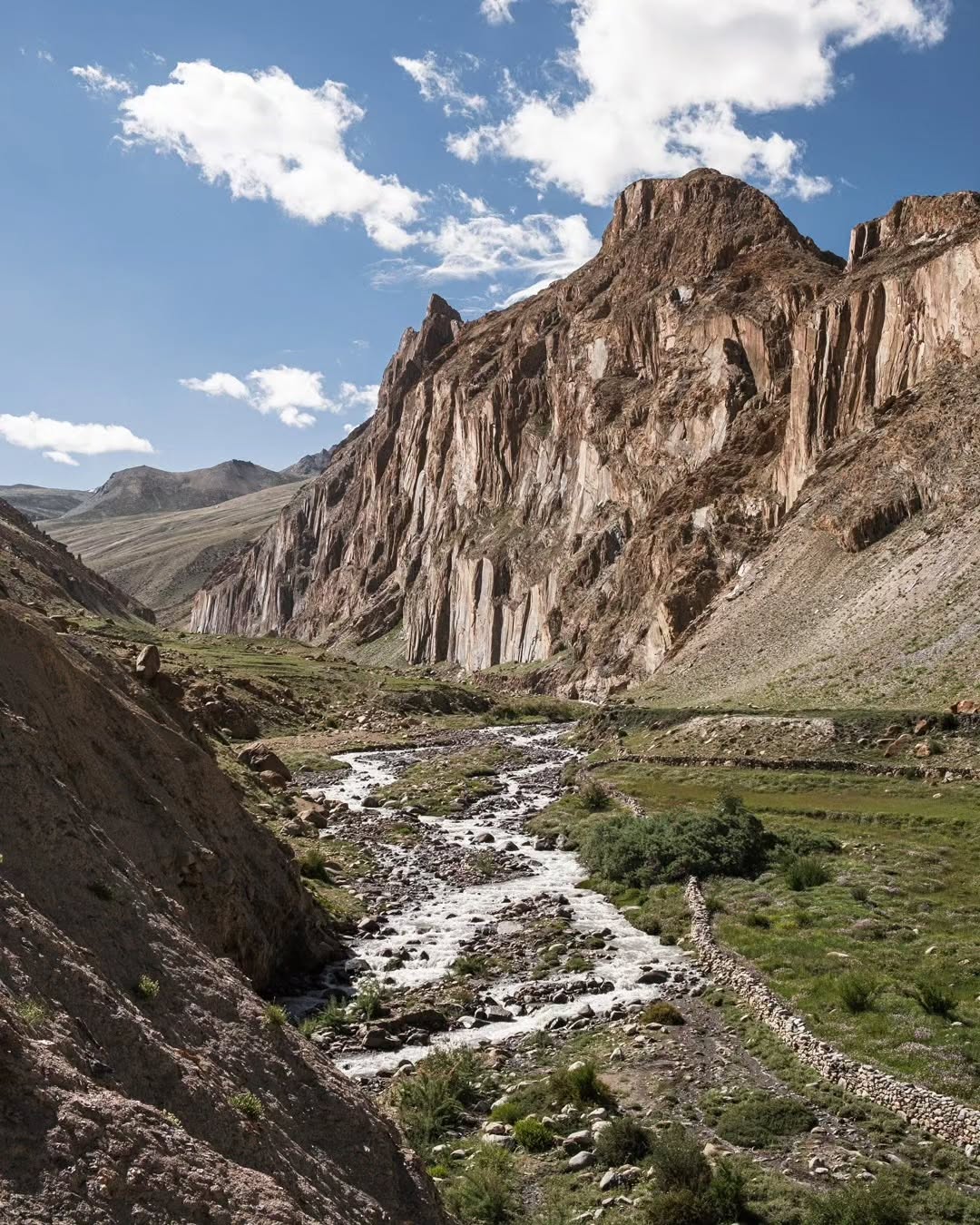
A classic Ladakhi trek, the Markha Valley route winds through isolated villages and dramatic gorges with prayer flags fluttering against a dry, desert landscape. The high point literally and spiritually is Kongmaru La pass, but it’s the long stretches through ancient Buddhist culture and raw Himalayan beauty that make this trek unforgettable.
Why it's about the journey:
- Ancient gompas (monasteries) on hilltops
- Tea with locals in mud-brick homes
- Changing terrain from desert valleys to snowy passes
3. Goechala Trek, Sikkim
Best Time to Visit: April to May, September to November
While Goechala is known for its incredible views of Kanchenjunga, it’s the trail itself that makes it special. You start from lush forests filled with orchids and rhododendrons, pass sacred lakes, and climb into alpine zones with sweeping Himalayan views. The culture of Sikkimese villages and monasteries adds quiet depth to the experience.
Why it's about the journey:
- Dramatic transition from forest to high alpine
- Buddhist spirituality along the trail
- Vistas of multiple peaks, not just one
4. Har Ki Dun – Ruinsara Tal Trek, Uttarakhand
Best Time to Visit: April to June, September to November
This valley trek in Garhwal is often called the "Valley of Gods," and for good reason. The trail passes through ancient villages like Osla, believed to date back to the Mahabharata era. You walk alongside rivers, pine forests, and open meadows. Adding Ruinsara Tal, a pristine high-altitude lake, makes this journey even more fulfilling.
Why it's about the journey:
- Mythology and folklore at every step
- Friendly locals and traditional wooden homes
- Gradual trail ideal for reflection and connection with nature
5. Tarsar Marsar Lakes Trek, Kashmir
Best Time to Visit: July to September
Kashmir’s alpine lakes have a way of stopping you in your tracks. The Tarsar Marsar trek takes you through rolling meadows, quiet campsites, and mirror-like lakes cradled by snowy peaks. There's no single “summit†moment here the trail is made up of many perfect moments spread across the journey.
Why it's about the journey:
- Uncrowded and peaceful trail
- Meadows, lakes, and wildflowers in full bloom
- Star-filled skies and campfire evenings
6. Singalila Ridge Trek, West Bengal – Sikkim Border
Best Time to Visit: March to May, October to December
This lesser-known trail offers something rare views of four of the five highest peaks in the world: Everest, Kanchenjunga, Lhotse, and Makalu. But instead of climbing high, you walk along a ridge near the India–Nepal border. The trail meanders through rhododendron forests, yak herder huts, and mountain villages.
Why it's about the journey:
- Unique ridge walk with continuous views
- Culturally rich trail on the India–Nepal border
- Doesn’t require extreme altitude or experience
7. Buran Ghati Trek, Himachal Pradesh
Best Time to Visit: May to June, September to October
Buran Ghati is like a greatest hits album of Himalayan terrain. You get dense forests, flower-filled meadows, ancient villages, glacier crossings, and a dramatic mountain pass descent via a snow wall. It's not just one feature that makes this trek special it’s the variety that keeps the journey exciting every day.
Why it's about the journey:
- Constantly changing scenery
- Balanced challenge and beauty
- Feels remote yet achievable
Final Thoughts
In the Himalayas, the destination often matters less than the path you take to get there. These treks don’t offer dramatic summit victories instead, they offer immersive journeys through landscapes, cultures, and stories that unfold slowly and beautifully. If you're someone who believes the best part of any adventure is everything that happens on the way, these trails are calling.
Written By:
Aakash Rawat

Hotels at your convenience
Now choose your stay according to your preference. From finding a place for your dream destination or a mere weekend getaway to business accommodations or brief stay, we have got you covered. Explore hotels as per your mood.