Beyond the Riverbanks: Exploring Villages and Culture in the Mekong Delta
 Palakshi Meharwal
16 Aug, 2025
10 mins read
150
Palakshi Meharwal
16 Aug, 2025
10 mins read
150
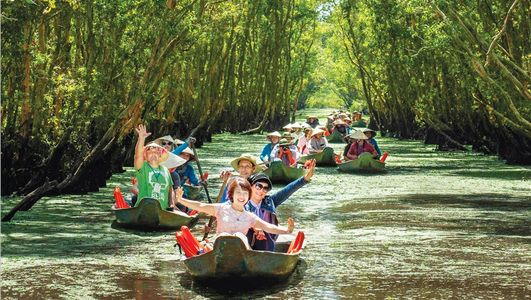
The Mekong Delta, often referred to as the “Rice Bowl of Vietnam,†is more than just a vast network of rivers and canals. It is a vibrant cultural landscape where water is the lifeblood of communities, shaping their traditions, livelihoods, and ways of life. Venturing beyond the riverbanks reveals a fascinating world of Mekong Delta villages, floating markets, traditional crafts, and age-old cultural practices that define this unique corner of Southeast Asia. For travelers seeking to immerse themselves in authenticity, the Mekong Delta Tour offers an enriching journey into rural life, where every bend in the river tells a new story.
The Heartbeat of the Delta: Rural Villages
At the core of the Mekong Delta’s charm are its villages, where life flows at a pace dictated by the river. Unlike bustling cities like Ho Chi Minh City, the Delta offers an escape into serenity. Villagers rise with the sun to tend rice fields, harvest tropical fruits, or prepare for the day’s river trade.
Visiting these Mekong Delta villages allows travelers to witness traditions that have been preserved for generations. Bamboo houses perched along canals, children cycling to school on narrow paths, and farmers navigating wooden boats laden with coconuts or bananas reflect the simplicity and resilience of rural life. The hospitality of local people adds warmth to the journey—whether it’s sharing a cup of green tea or offering insights into farming practices passed down through centuries.
Floating Markets: The Soul of River Commerce
Perhaps nothing symbolizes the Mekong Delta more than its floating markets. Cai Rang, Phong Dien, and Cai Be are among the most famous, where hundreds of boats converge at dawn to trade goods. Unlike conventional markets, these river-based exchanges showcase an extraordinary way of life. Vendors display their products—mangoes, pineapples, jackfruit, or freshly caught fish—by hanging them from tall poles on their boats, allowing buyers to spot them from afar.
For travelers, visiting a floating market is more than just sightseeing. It is a cultural immersion into the Delta’s economic heartbeat. Enjoying a steaming bowl of noodle soup from a vendor’s boat or sipping freshly brewed Vietnamese coffee as traders shout prices around you creates a sensory experience unlike any other. The markets also highlight the region’s adaptability—demonstrating how communities have thrived by making the river their marketplace.
Culinary Adventures in the Mekong Delta
Food is an essential gateway into the culture of any region, and the Mekong Delta is no exception. Its fertile soils and abundant waterways provide an astonishing variety of ingredients. From tropical fruits like rambutan and mangosteen to freshwater fish and shrimp, the local cuisine is both fresh and flavorful.
A signature dish is ca kho to (caramelized fish in clay pot), often paired with steaming white rice grown in nearby paddies. Noodle soups such as hu tieu reflect Chinese and Khmer influences, while coconut-based desserts showcase the region’s sweet side. Many Mekong Delta tours include cooking classes, giving travelers hands-on experience in preparing local dishes. Through food, visitors not only savor the richness of the land but also connect deeply with Vietnamese culture.
Traditional Crafts and Local Industries
Beyond agriculture, the Mekong Delta is home to centuries-old crafts that remain vital to village economies. Workshops producing rice paper, coconut candy, or woven mats open their doors to curious travelers eager to learn. Watching artisans transform simple natural resources into everyday essentials provides a glimpse into both creativity and sustainability.
One highlight is visiting coconut workshops in Ben Tre province, where nearly every part of the coconut is used—its meat for candy, husks for fuel, and shells for handicrafts. Similarly, rice paper workshops in small villages illustrate how a staple of Vietnamese cuisine is carefully handcrafted. These experiences not only support local industries but also preserve cultural heritage for future generations.
Life Among the Rice Fields
The Mekong Delta is Vietnam’s most fertile region, producing more than half of the country’s rice. Endless emerald-green fields stretch across the horizon, reflecting in shimmering waters during planting and harvest seasons. For travelers, walking or cycling through these rice fields offers a peaceful glimpse into the hard work and dedication behind Vietnam’s food supply.
Farmers often welcome visitors to learn about cultivation methods, from planting young seedlings to harvesting golden stalks. These interactions highlight how rice is more than a staple—it is the backbone of rural life. For many, experiencing the rice-growing process firsthand creates a newfound appreciation for the resilience of Delta farmers.
Cultural Traditions and Festivals
The Mekong Delta is a melting pot of Vietnamese, Khmer, and Chinese cultures, each contributing to the region’s vibrant traditions. Temples, pagodas, and communal houses are scattered throughout the villages, often serving as the focal points of community gatherings.
Festivals bring these traditions to life. The Ok Om Bok Festival, celebrated by the Khmer people, honors the moon for good harvests, featuring colorful boat races and traditional music. The Chol Chnam Thmay (Khmer New Year) is another highlight, showcasing dances, rituals, and food unique to the community. Participating in these cultural events provides a deeper understanding of the Delta’s spiritual and social fabric.
Sustainable Tourism in the Mekong Delta
As tourism grows in the region, there is increasing emphasis on sustainability. Eco-friendly boat tours, homestays in rural villages, and community-based tourism initiatives allow travelers to enjoy authentic experiences while minimizing environmental impact.
Staying in a family-run homestay not only offers comfort but also creates opportunities for cultural exchange. Guests can join fishing trips, learn to cook local dishes, or cycle through fruit orchards with their hosts. These intimate experiences ensure that tourism directly benefits local communities, preserving traditions and protecting the environment.
The Allure of Slower Travel
In a world where travel often prioritizes speed and convenience, the Mekong Delta encourages a slower, more meaningful journey. Drifting along canals lined with coconut palms, stopping to chat with locals, or savoring a home-cooked meal in a village are experiences that leave lasting impressions. Beyond the riverbanks lies not just scenery but stories—stories of resilience, creativity, and harmony with nature.
The Mekong Delta is more than a destination; it is a cultural tapestry woven with rivers, people, and traditions. To explore it is to go beyond sightseeing—to listen, taste, and feel the heartbeat of Vietnam’s southern soul.
Conclusion
Exploring the Mekong Delta’s villages and culture is a journey into authenticity. From floating markets to traditional crafts, from rice fields to cultural festivals, the region offers endless opportunities for discovery. Travelers who venture beyond the riverbanks not only witness the richness of Vietnamese culture but also contribute to the preservation of its traditions through sustainable tourism.
The Mekong Delta is a reminder that true travel lies not in rushing from one landmark to another but in immersing oneself in the daily lives of people who call a place home. Beyond the riverbanks, there is a world of warmth, wisdom, and wonder waiting to be explored.
Written By:
Palakshi Meharwal

Hotels at your convenience
Now choose your stay according to your preference. From finding a place for your dream destination or a mere weekend getaway to business accommodations or brief stay, we have got you covered. Explore hotels as per your mood.