Brazil Travel Tips for First-Time Visitors
 Jules Renault
15 Dec, 2025
22 mins read
274
Jules Renault
15 Dec, 2025
22 mins read
274
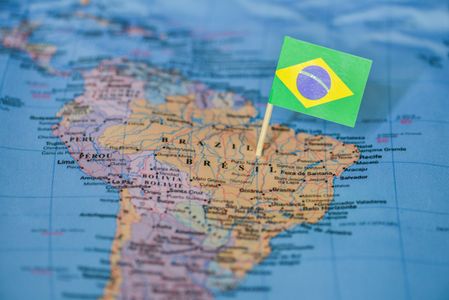
Brazil is a country of continental proportions—not just in size, but in spirit. For the first-time visitor, it offers a sensory overload of the best kind: the rhythm of samba, the spray of thundering waterfalls, the taste of açai fresh from the Amazon, and the warmth of its people.

But let’s be honest: planning a trip to Brazil can feel overwhelming. Is it safe? Do I need a Brazilian visa? How do I get around? As diverse as it is beautiful, Brazil requires a bit of savvy preparation to enjoy fully.
Whether you're dreaming of Rio’s beaches or the depths of the rainforest, this guide covers everything you need to know for a smooth, safe, and unforgettable Brazilian adventure.
Do I Need a Visa to Visit Brazil?
Before you book your flight, check your entry requirements.
- The Good News: For many Europeans and South Americans, Brazil is visa-free for tourism (up to 90 days).
- The "Stay Tuned" News: If you are from the United States, Canada, or Australia, pay close attention. The Brazilian government has postponed the requirement for a visitor visa until April 10, 2025. If you travel before this date, you likely won't need a visa. If you travel after, you will need to apply for Brazil e-Visa online before departure. Always double-check the latest diplomatic announcements as this policy has shifted frequently.
Money Matters: Currency & Tipping
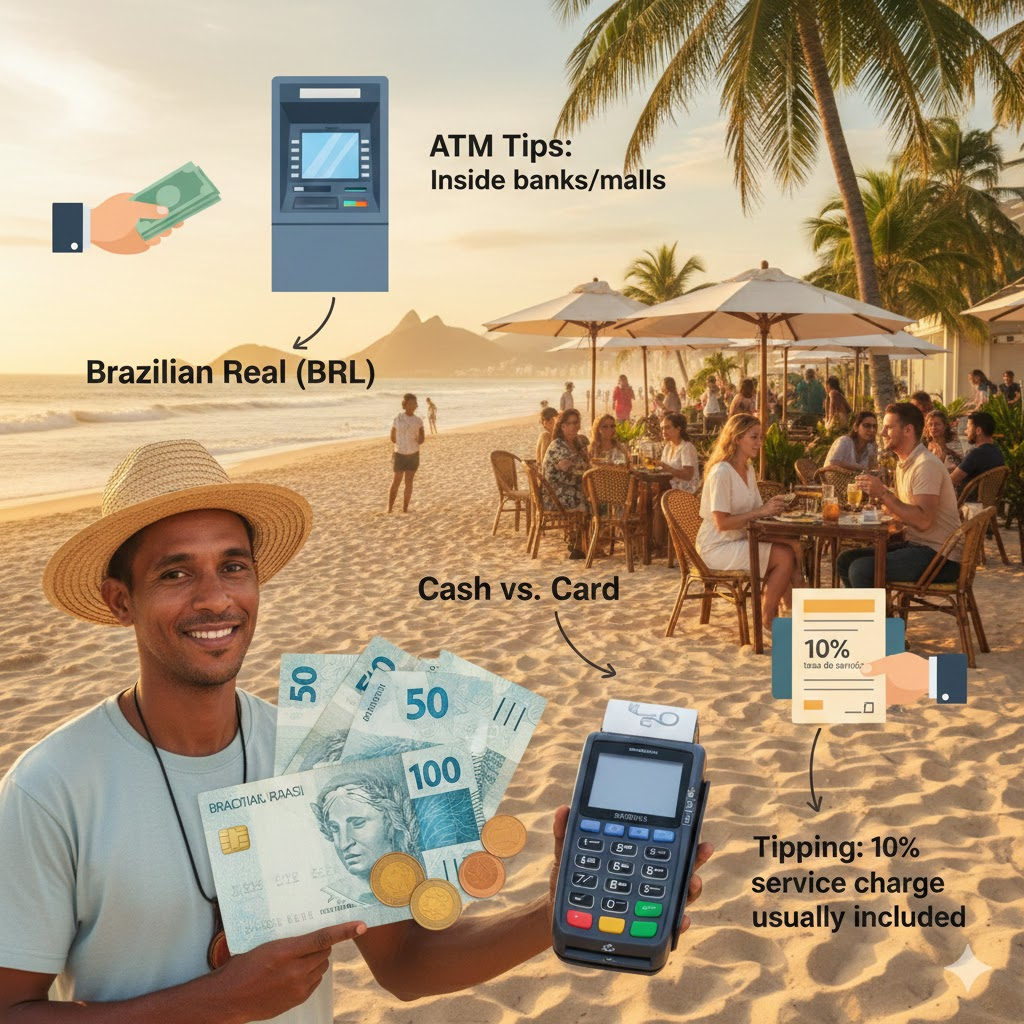
- Currency: The official currency is the Brazilian Real (BRL).
- Cash vs. Card: Credit and debit cards are widely accepted, even by beach vendors in Rio (who often carry card machines!). However, always carry some cash for small tips, public transport, or remote areas.
- ATM Tips: Use ATMs located inside banks or shopping malls for safety. Avoid standalone machines on the street at night.
- Tipping: A 10% service charge (taxa de serviço) is usually added to restaurant bills. It’s customary to pay for it, but you don't need to tip on top of it unless the service was extraordinary.
Connectivity: eSIM vs. Local SIM
Staying connected is vital for maps and translation.
- The CPF Hurdle: Buying a local SIM card (Claro, Vivo, TIM) often requires a CPF (Brazilian Tax ID), which most tourists don't have. Some shops will register it with a passport, but it can be a hassle.
- The Easy Fix: Buy an eSIM (like Airalo or Holafly) before you arrive. It’s slightly more expensive but saves you the headache of registration and gives you data the moment you land.
What Apps Should I Download Before I Go?
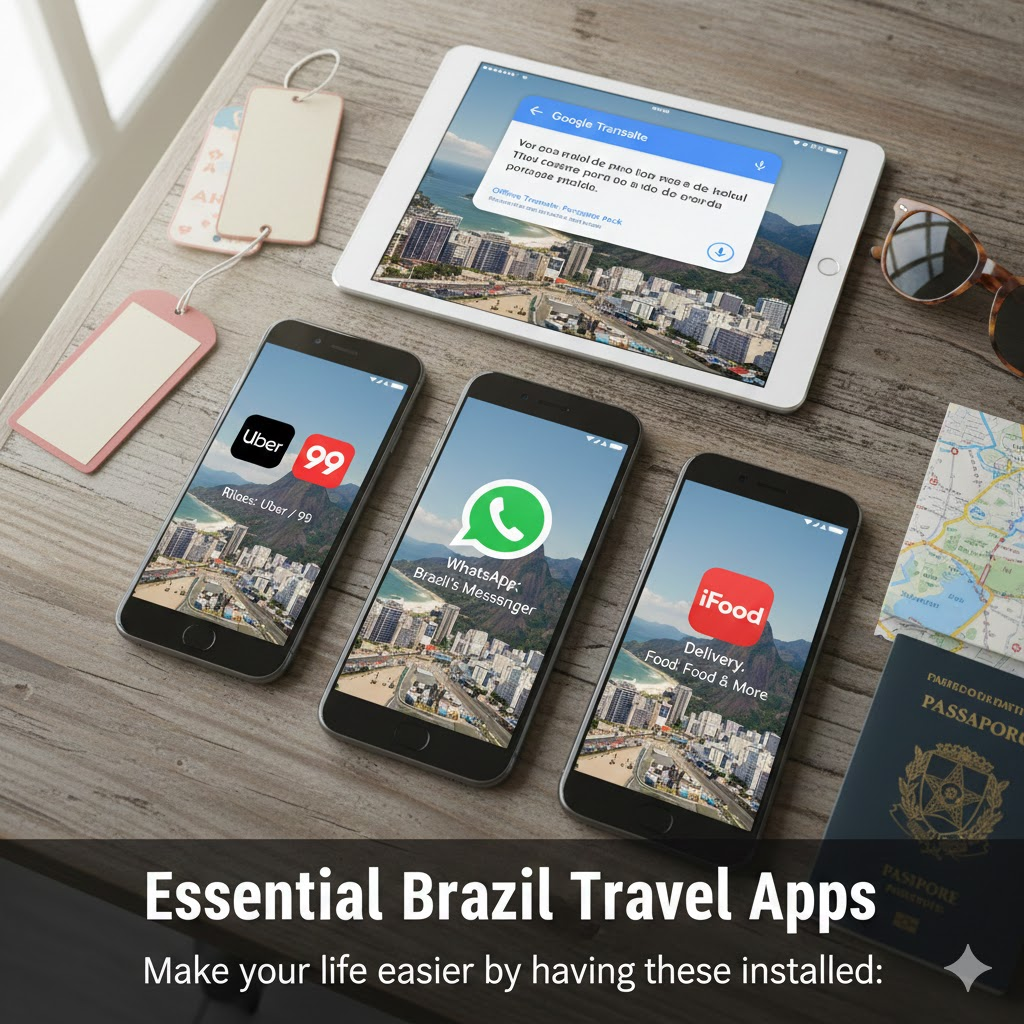
Make your life easier by having these installed:
- WhatsApp: This is how Brazil communicates. Everyone from tour guides to restaurant reservations uses it.
- Uber / 99: Uber is everywhere. "99" is a popular local alternative that is often cheaper.
- Google Translate: Download the Portuguese language pack for offline use.
- iFood: The Brazilian version of Uber Eats/DoorDash. Great for ordering late-night snacks or pharmacy items.
When is the Best Time to Visit Brazil?
Brazil is huge, so the "best" time depends on where you're going:
- High Season (Dec–March): This is the Brazilian summer. Expect hot weather, crowded beaches, and high prices. This is when Carnival (usually Feb or March) happens.
- Shoulder Season (Sept–Oct): Great for avoiding crowds. The weather is pleasant in Rio and the South, and it's a prime time for wildlife spotting in the Pantanal.
- The Amazon: Visit between May and June for high water levels (great for boat trips) or September to November for low water (better for hiking and fishing).
What Festivals Should I See Besides Carnival?
- Réveillon (New Year's Eve): One of the world's biggest parties. Millions dress in white and gather on Copacabana beach to watch fireworks and offer flowers to Yemanjá (the Goddess of the Sea).
- Festa Junina (June): A massive country-wide celebration of rural life with bonfires, corn-based foods, and square dancing. It's especially huge in the Northeast.
How Do I Get Around Brazil?
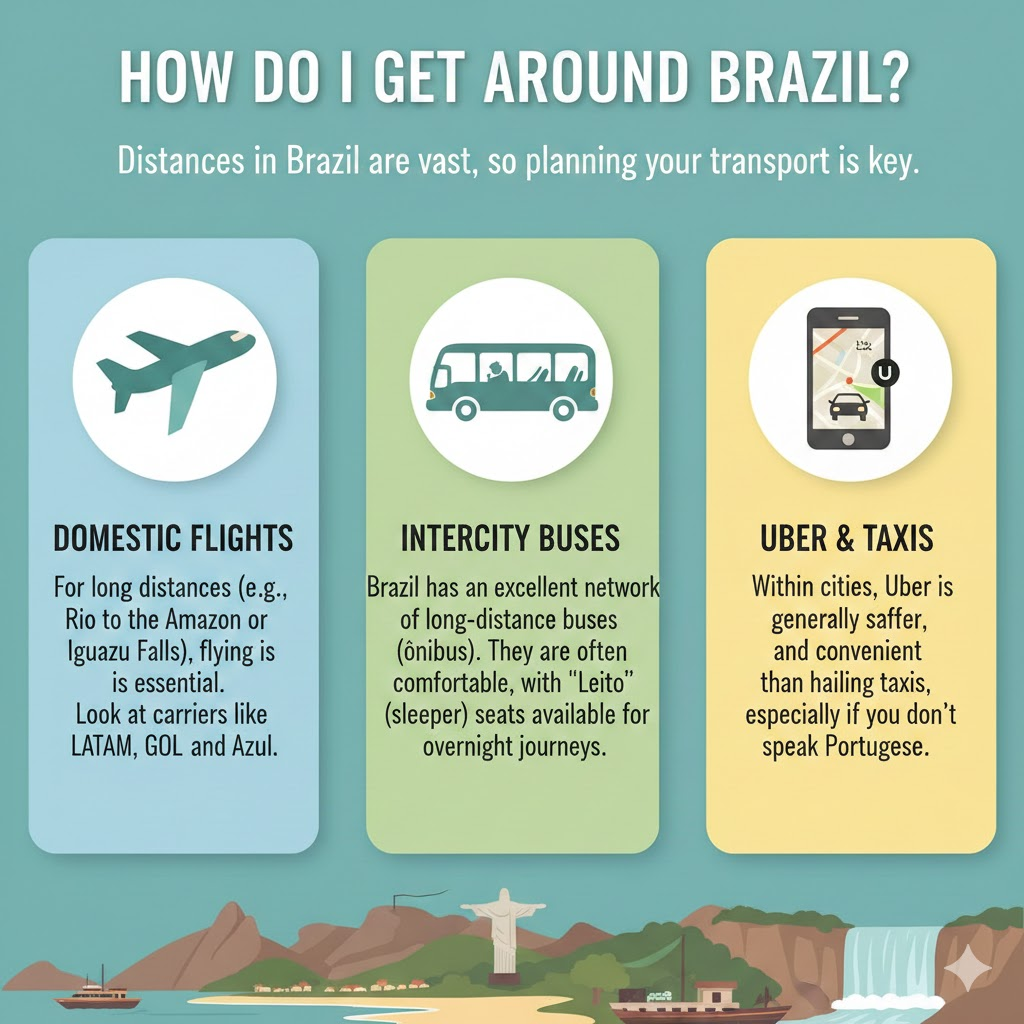
Distances in Brazil are vast, so planning your transport is key.
- Domestic Flights: For long distances (e.g., Rio to the Amazon or Iguazu Falls), flying is essential. Look at carriers like LATAM, GOL, and Azul.
- Intercity Buses: Brazil has an excellent network of long-distance buses (ônibus). They are often comfortable, with "Leito" (sleeper) seats available for overnight journeys.
- Uber & Taxis: Within cities, Uber is generally safer, cheaper, and more convenient than hailing taxis, especially if you don't speak Portuguese.
Can I Rent a Car and Drive in Brazil?
You can, but should you?
- In Cities: Avoid it. Traffic in São Paulo and Rio is chaotic, and parking is scarce.
- For Road Trips: It's a great option for exploring the coast (e.g., Rio to Santos) or the Northeast beaches.
- Requirements: You usually need your home driver's license and passport. An International Driving Permit (IDP) is recommended but not always strictly required if your license is in English/Latin script.
Is Brazil Expensive to Visit? (Budget breakdown)
- Budget Travelers: Can get by on $40–$60 USD per day by staying in hostels, eating at "pay-by-kilo" buffets, and taking buses.
- Mid-Range: Expect to spend $80–$150 USD per day for private hotel rooms, domestic flights, and nice dinners.
- Luxury: The sky is the limit, with world-class resorts in Trancoso and high-end hotels in Rio.
What Should I Pack for a Trip to Brazil?
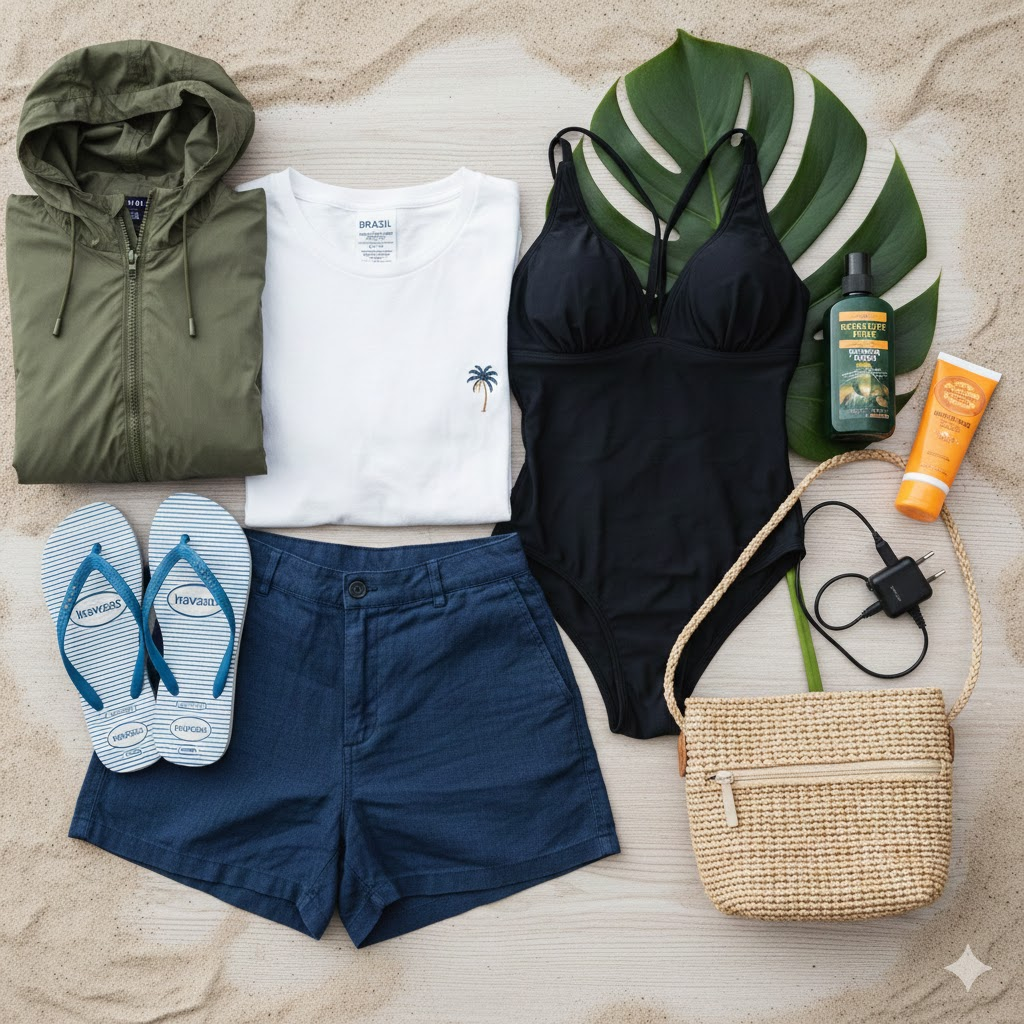
Pack light and casual; Brazil is a relaxed country.
- Clothing: Breathable fabrics (cotton/linen). You will need a swimsuit, flip-flops (Havaianas are a religion here), and a light rain jacket.
- Dress Code: Brazilians dress well but casually. Avoid looking like a "gringo" explorer (khaki vests and zip-off pants); instead, opt for shorts and t-shirts.
- Essentials: A universal travel adapter (Type N), strong insect repellent, sunscreen, and a crossbody bag for security.
Do I Need an Adapter for Brazil?
This is tricky because it varies by state!
- Voltage: It can be 110V (Rio de Janeiro, São Paulo) or 220V (Florianópolis, Brasilia, Northeast). Most modern chargers are dual voltage.
- Plugs: Brazil uses Type N plugs (three round pins) or Type C (two round pins). Bring a universal adapter.
Is Brazil Safe for Tourists?
Brazil has a reputation for crime, and while you shouldn't be paranoid, you must be vigilant.
- Street Smarts: Don’t wear flashy jewelry or expensive watches. Walk with purpose.
- Phone Safety: Phone snatching is common. Don't walk around staring at your phone. If you need to check a map, step into a shop or pharmacy.
- The Beach: Take only the essentials to the beach (towel, sunscreen, cash for drinks). Don't leave things unattended.
- Favelas: Do not enter a favela (slum) without a reputable local guide. Google Maps sometimes routes through them; stick to main avenues.
Is Brazil Safe for Solo Female Travelers?

Yes, but extra caution is needed.
- Stick to Crowds: Avoid empty streets at night.
- Transportation: Use Uber rather than walking alone at night.
- Catcalling: It happens. The best response is usually to ignore it and keep moving.
- Accommodation: Hostels are great places to meet other travelers and form groups for outings.
Is Brazil LGBTQ+ Friendly?
Brazil is a land of contrasts. It hosts the world's largest Pride Parade (in São Paulo) and is generally very welcoming in major tourist areas like Rio (Ipanema specifically) and São Paulo. However, it is still a conservative country in many ways. Public displays of affection are common in gay-friendly districts but exercise discretion in rural areas or less touristic neighborhoods.
What Vaccines Do I Need for Brazil?
- Yellow Fever: Highly recommended (and sometimes required) if you are visiting the Amazon, Pantanal, or even parts of Rio state. Bring your Yellow Card.
- Dengue/Zika: There are no vaccines for these mosquito-borne viruses, so prevention is key. Use strong repellent with DEET.
- Routine Vaccines: Ensure you are up to date on Tetanus, Hepatitis A, and Typhoid.
Can I Drink the Tap Water in Brazil?
No. Generally speaking, you should not drink tap water in Brazil.
- What to do: Stick to bottled mineral water (água mineral).
- Ice: Ice in restaurants is usually made from filtered water and is safe.
Do People Speak English in Brazil?
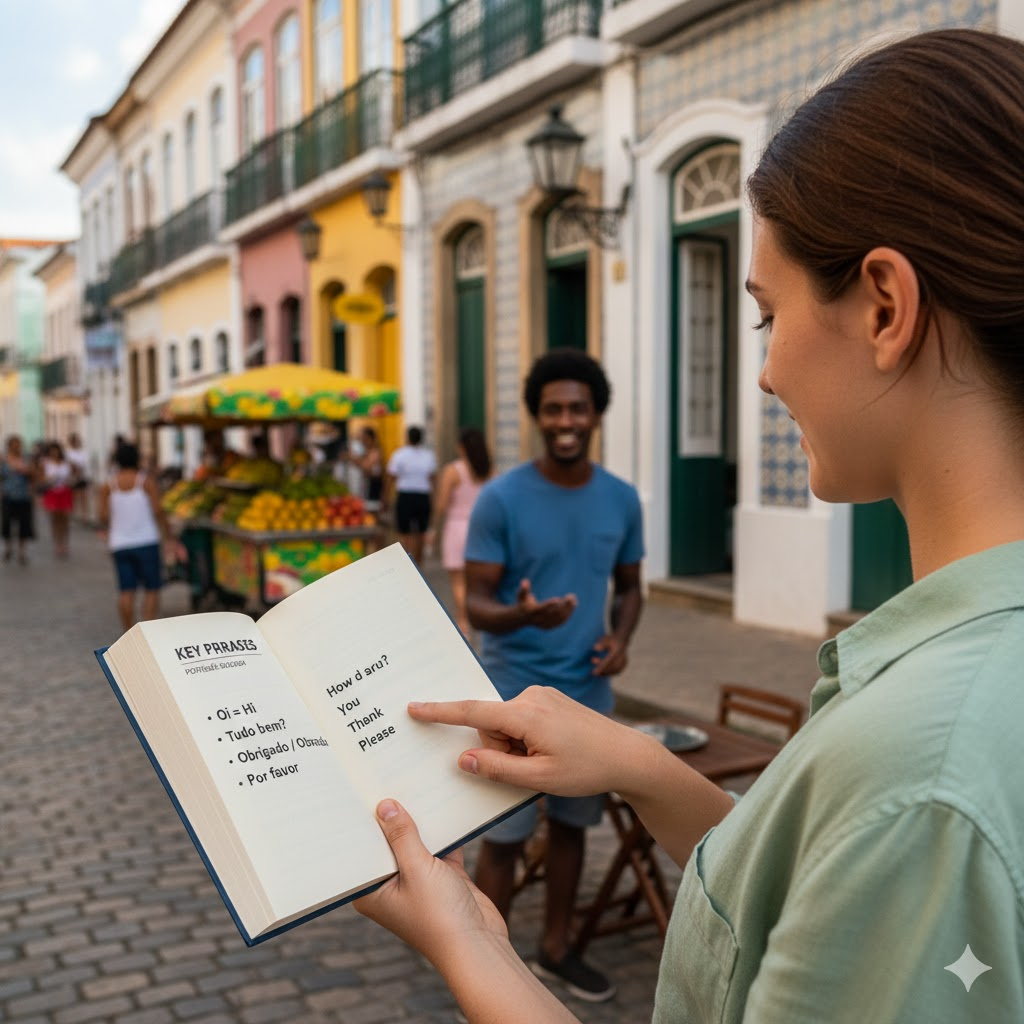
- The Reality: English is not widely spoken outside of luxury hotels and tour agencies.
- The Fix: Learn a few key phrases in Portuguese.
- Key Phrases:
- Oi = Hi
- Tudo bem? = How are you?
- Obrigado (men) / Obrigada (women) = Thank you
- Por favor = Please
Top Itineraries for First-Timers
- The Classic Rio & The Coast: Rio de Janeiro, Ilha Grande, and Paraty.
- Nature & Adventure: Iguazu Falls and The Amazon (Manaus).
- Culture & History: Salvador (Bahia) for Afro-Brazilian culture and colonial history.
What Should I Buy? (Best Souvenirs)
- Havaianas: Cheaper in Brazil with exclusive designs.
- Cachaça: The national spirit.
- Coffee: Look for specialty roasts.
- Hammocks: High quality cotton hammocks from the Northeast.
Brazilian Food: A Gastronomic Journey
You haven't visited Brazil until you've tasted these:
- Feijoada: Black bean and pork stew.
- Pão Brazil Travel Tips for First-Time Visitorsde Queijo: Cheese bread bowls.
- Coxinha: Fried chicken croquettes.
- Açaí: Frozen berry sorbet.
- Moqueca: Seafood stew with coconut milk.
Final Thoughts
Brazil is a country that stays with you. It’s chaotic, loud, and incredibly beautiful. By taking a few simple precautions and embracing the local rhythm, you’ll find that the "land of palms" is one of the most welcoming places on Earth.
Boa viagem! (Have a nice trip!)
Written By:
Jules Renault

Hotels at your convenience
Now choose your stay according to your preference. From finding a place for your dream destination or a mere weekend getaway to business accommodations or brief stay, we have got you covered. Explore hotels as per your mood.