Cape Town Travel Guide: What to See & Do
 Sara Saroshk
14 Feb, 2026
10 mins read
51
Sara Saroshk
14 Feb, 2026
10 mins read
51
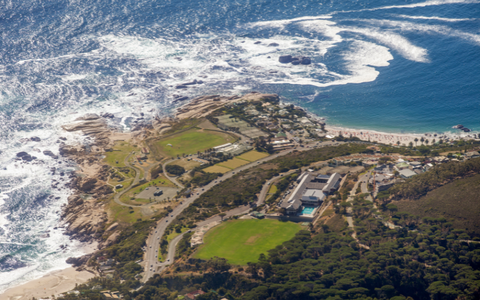
Cape Town is not a city you “do” in a neat list. It’s layered. Contradictory. One moment you’re in a modern café with perfect coffee, the next you’re standing on a windswept cliff where two oceans feel like they’re arguing below you.
It rewards curiosity, but it also punishes poor planning. Weather changes fast. Distances look short on a map but eat time. This is where trips often go wrong—trying to squeeze everything into a few days.
If you travel with some experience and like places that feel raw and beautiful at the same time, Cape Town delivers. Especially if it’s paired thoughtfully with longer journeys like Cape Town and Garden Route tours, where the pace slows once you leave the city behind.
Let’s break it down.
Table Mountain
You can’t ignore it. And you shouldn’t.
Table Mountain changes mood hourly. Clear and sharp in the morning. Wrapped in cloud by afternoon. Pink-edged at sunset. I’ve been up when the wind was calm and the city felt suspended below, and I’ve turned back another day because the cable car shut down without warning.
Go early. Always. If you hike, know your route and the weather. If you take the cable car, still go early—queues build fast.
Most people miss: The views from the lower trails. You don’t need to summit to feel the scale.
Bo-Kaap
Bo-Kaap is more than colorful houses, though that’s what fills most photos.
Walk slowly. Listen. This is a living neighborhood, not an open-air museum. The streets climb steeply, and the views back toward the city are worth the effort.
I once stopped here just to sit on a step and watch kids play football in the street. That moment stuck longer than any photo.
Small warning: Be respectful with cameras. Not everything is a backdrop.
V&A Waterfront
Locals love to hate it. Travelers love to visit it. Both can be true.
Yes, it’s busy. Yes, it’s commercial. But it’s also practical. Restaurants, shops, harbor views, easy walking. It’s a good orientation point, especially on your first day.
Don’t linger too long. Use it as a base, not a destination.
Good move: Sunset by the water, then leave.
Cape Peninsula
This is where Cape Town really opens up.
Drive or join a small tour around the peninsula. Chapman’s Peak Drive alone is worth the trip—if you’re not afraid of heights. The cliffs drop hard into the sea, and you’ll stop more than you expect.
Boulders Beach
Yes, the penguins are real. And no, you shouldn’t touch them.
Boulders Beach is charming, slightly chaotic, and surprisingly moving. Watching penguins waddle with total confidence is a reminder that this coastline belongs to more than just humans.
Most people miss: The quieter boardwalk sections away from the main entrance.
Cape Point
Windy. Dramatic. Often misunderstood.
This is not where the oceans meet—that’s a common myth—but it feels like the edge of something. Walk beyond the main viewpoints. The silence out there is different.
This is where trips go wrong: Assuming it’s a quick stop. Give it time.
Kirstenbosch National Botanical Garden
If you need one calm afternoon, make it Kirstenbosch.
It sits at the foot of Table Mountain, green and expansive. Locals picnic here. Travelers wander. It’s one of the few places where everyone seems to slow down naturally.
I’ve spent hours here doing almost nothing. That’s the point.
Camps Bay
Camps Bay is glamorous and slightly self-aware.
White sand. Palm trees. Restaurants facing the ocean. It’s beautiful, but it can feel performative at peak times.
Go for sunset. Stay for a drink. Leave before it turns into a scene.
Alternative: Nearby Clifton beaches are quieter if you’re willing to walk.
Kalk Bay
Kalk Bay feels human.
Small shops. Working harbor. Cafés that don’t rush you. You can watch fishermen clean their catch while seals hover hopefully nearby.
It’s one of the easiest places to feel grounded in Cape Town.
Don’t miss: Lunch by the water, even if it’s simple.
Food & Everyday Moments
Cape Town’s food scene is excellent, but the real joy is variety. Fine dining exists. So does a perfect sandwich eaten with sandy feet.
Eat local. Try things you don’t recognize. Don’t overbook reservations—you’ll regret skipping spontaneous finds.
Common mistake: Only eating at “top lists.” Some of the best meals are unranked.
Getting Around & Practical Notes
- Rent a car if you can. It changes everything.
- Drive defensively. Roads are good, but conditions vary.
- Be aware, not afraid. Like many cities, context matters.
Cape Town is safe if you move thoughtfully and trust your instincts.
Final Thoughts
Cape Town is not a passive destination. It asks something from you—attention, flexibility, patience. In return, it offers contrast: mountains and beaches, energy and quiet, polish and grit.
Whether you stay within the city or extend your journey through Cape Town and Garden Route tours, the key is balance. Don’t rush. Don’t over-plan. Let the place show itself.
Cape Town rarely performs on command. It reveals itself when you give it room.
FAQs
1. How many days do I need in Cape Town?
Five days minimum. A week is better if you want breathing space.
2. Is it better to rent a car?
Yes. Public transport is limited for travelers.
3. When is the best time to visit?
October to April for weather. Shoulder seasons are less crowded.
4. Is Cape Town safe for travelers?
Generally yes, with awareness. Avoid risky areas at night and plan transport.
5. Can I visit without hiking?
Absolutely. Many highlights are accessible without strenuous activity.
6. Should I combine Cape Town with the Garden Route?
If you have time, yes. It complements the city beautifully.
7. What do travelers often underestimate?
Distances and weather. Both affect plans more than expected.
Written By:
Sara Saroshk

Hotels at your convenience
Now choose your stay according to your preference. From finding a place for your dream destination or a mere weekend getaway to business accommodations or brief stay, we have got you covered. Explore hotels as per your mood.