Dayara Bugyal in Winter: A Complete and Honest Guide for Snow Lovers
 Deepanshu Negi
20 Dec, 2025
11 mins read
237
Deepanshu Negi
20 Dec, 2025
11 mins read
237
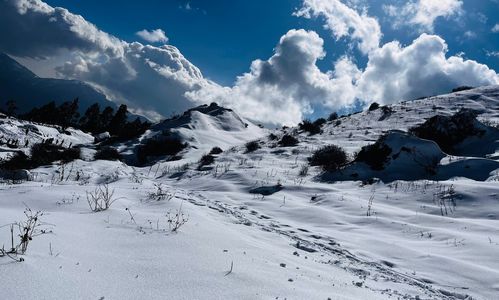
Dayara Bugyal in winter feels like nature pressed the pause button and decided to show its calm side. Wide alpine meadows turn white, forests grow silent, and the Himalayas stand clear and sharp in the background. It is not dramatic or extreme. It is peaceful, slow, and surprisingly welcoming, even for people new to winter trekking.
This guide covers everything important about visiting Dayara Bugyal during winter. No exaggerated claims. No fake adventure stories. Just real information, practical advice, and honest experience-based insights to help you decide if this winter meadow trek is right for you.
What Is Dayara Bugyal and Why It Matters
Dayara Bugyal is a high-altitude meadow located in the Uttarkashi district of Uttarakhand. The word “Bugyal” means alpine grassland, and Dayara is one of the largest and most accessible ones in the region.
At an altitude of around 12,000 feet, the meadow offers panoramic views of Himalayan peaks like Bandarpunch, Srikanth, and Draupadi Ka Danda on clear days. In summer, it looks green and open. In winter, snow completely changes its character.
Unlike technical winter treks, Dayara Bugyal remains more about walking through landscapes than battling terrain. That balance makes it special.
What Makes Dayara Bugyal in Winter Special
Winter gives Dayara Bugyal trek a quiet charm that other seasons cannot match. Snow covers the meadow evenly, creating a clean white stretch instead of uneven patches. The trail feels soft underfoot, and the surroundings feel untouched.
You do not hear traffic, crowds, or noise. You hear wind, footsteps, and sometimes nothing at all. That silence is rare and valuable.
Another reason people choose Dayara Bugyal in winter is its gentle difficulty level. The gradients stay manageable, and the trek does not demand technical climbing skills.
Location and How to Reach Dayara Bugyal in Winter
Raithal (Basecamp) lies about 40 kilometers from Uttarkashi town.
Route Overview
- Dehradun to Uttarkashi by road
- Uttarkashi to Raithal Village or Barsu
- Trek starts from either Raithal or Barsu
Both routes remain popular in winter. However, Raithal village often becomes the preferred base during heavy snowfall because of better accessibility and gradual ascent.
Road conditions depend heavily on snowfall intensity. Local drivers and forest officials provide the most reliable updates.
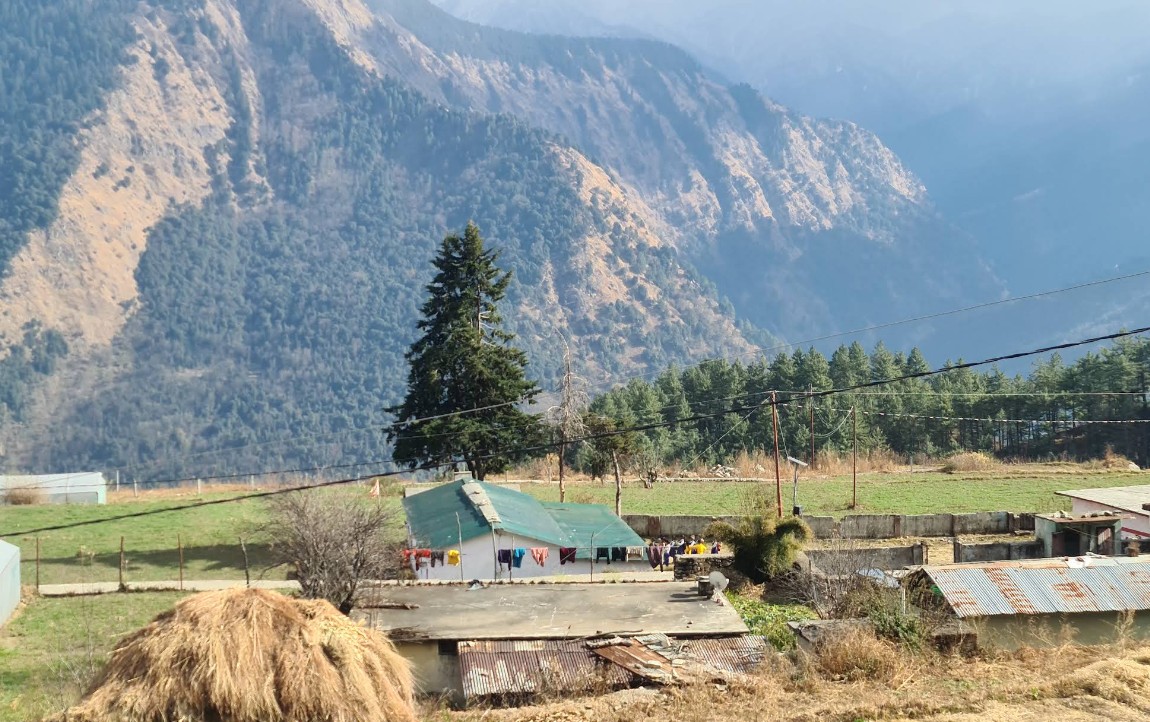
Winter Weather Conditions at Dayara Bugyal
Winter officially sets in from late November and continues till early March.
Temperature Range
- Daytime: 5°C to 10°C
- Nighttime: -5°C to -10°C
Snowfall usually starts in December. January receives the most consistent snow coverage. February remains cold but stable, while March shows melting snow at lower sections.
Weather updates from the India Meteorological Department (IMD) and local forest offices remain the most trusted sources before planning.
Best Time to Visit Dayara Bugyal in Winter
The best winter window for Dayara Bugyal is December to February.
- December offers fresh snowfall and festive energy
- January gives deep snow and clear mountain views
- February provides longer daylight and slightly warmer days
March suits those who want snow without harsh cold, but the meadow may not stay fully white.
Difficulty Level of Dayara Bugyal Winter Trek
Dayara Bugyal in winter falls under the easy to moderate category.
The trail does not include exposed ridges, glaciers, or steep climbs. However, snow increases physical effort. Walking on snow requires balance and stamina.
Beginners with basic fitness can manage the trek if they prepare well and follow safety guidelines.
Think of it as a long winter walk rather than a high-pressure expedition.
Physical Fitness Required for Winter Conditions
You do not need gym-level strength, but you do need consistency.
A few weeks of preparation helps:
- Regular walking or jogging
- Stair climbing
- Basic leg and core exercises
Winter trekking demands more energy because your body works harder to stay warm. If you feel fit during normal walks, you can handle Dayara Bugyal with proper pacing.
Snow Experience at Dayara Bugyal
Yes, you get real snow here.
During peak winter, snow depth ranges from 1 to 3 feet near the meadow. Forest sections remain scenic with snow-covered oak and pine trees.
Snow does not feel artificial or staged. It feels natural, quiet, and slow. You can sit, walk, and enjoy without rushing.
No snow scooters. No chaos. Just honest winter landscapes.
Camping at Dayara Bugyal in Winter
Camping remains one of the highlights of this trek.
Tents get pitched on snow or hardened ground, depending on conditions. Proper insulation, sleeping bags rated for sub-zero temperatures, and ground mats remain essential.
Evenings feel cold but manageable. Clear nights often reveal brilliant stars. Morning views after snowfall feel worth every cold finger.
Responsible operators follow guidelines from the Uttarakhand Forest Department to protect the meadow ecosystem.
Food and Water During the Winter Trek
Winter food stays simple and functional.
You get warm meals like dal, rice, vegetables, and soups. High-energy snacks help maintain body heat. Trekkers should drink water regularly, even if thirst feels low.
Streams often freeze in winter, so teams carry water or melt snow safely. Trekkers should never consume untreated snow directly
What to Pack for Dayara Bugyal in Winter
Packing smartly makes or breaks a winter trek.
Essential items include:
- Insulated jacket and thermal layers
- Waterproof gloves and socks
- Snow gaiters and trekking shoes
- Woollen cap and neck warmer
- Sunglasses and sunscreen
Carrying unnecessary items only adds weight. Winter trekking rewards minimalism
Safety and Weather Awareness
Safety in winter depends more on judgment than bravery.
Weather can change quickly. Snowfall may delay movement. Guides monitor conditions closely and adjust plans when needed.
Listening to local advice matters more than internet opinions. Experienced teams rely on ground updates, not forecasts alone.
Avoid solo trekking in winter. Snow hides trails, and navigation becomes tricky.
Environmental Responsibility at Dayara Bugyal
Dayara Bugyal stays beautiful because people respect it.
Trekkers must:
- Carry back all waste
- Avoid loud music
- Stay on marked trails
- Respect local villages
Bugyals remain fragile ecosystems. Damage takes years to heal.
The Uttarakhand Forest Department strictly regulates camping and trekking to protect these meadows.
Who Should Choose Dayara Bugyal in Winter
This trek suits:
- First-time winter trekkers
- Nature lovers who prefer calm places
- Photographers seeking soft landscapes
- People avoiding extreme adventure
If you want technical snow climbing, this trek will feel too gentle. If you want peace, space, and real winter, it fits perfectly.
Common Myths About Dayara Bugyal in Winter
Many believe winter treks always mean danger. That is not true.
Dayara Bugyal does not involve avalanches or risky slopes. Proper planning reduces most risks.
Another myth says winter treks lack views. Clear winter skies often offer better mountain visibility than summer haze.
Final Thoughts: Is Dayara Bugyal Worth Visiting in Winter
Dayara Bugyal in winter does not try to impress you loudly. It works quietly.
It offers snow without fear, views without exhaustion, and silence without isolation. That balance makes it ideal for people who want to experience winter in the Himalayas honestly.
If you respect nature, prepare well, and walk patiently, this winter meadow gives back more than expected.
Sometimes, the simplest trails leave the deepest impressions.
Written By:
Deepanshu Negi

Hotels at your convenience
Now choose your stay according to your preference. From finding a place for your dream destination or a mere weekend getaway to business accommodations or brief stay, we have got you covered. Explore hotels as per your mood.