Dingboche Village Complete Guide to the Summer Valley of the Himalayas
 Deepanshu Negi
13 Aug, 2025
12 mins read
136
Deepanshu Negi
13 Aug, 2025
12 mins read
136
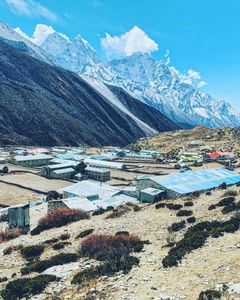
Dingboche Village is a captivating high-altitude settlement in the Khumbu region of Nepal, resting at around 4,410 meters above sea level. Known as the “Summer Valley†of the Everest region, this charming stop is surrounded by legendary Himalayan peaks such as Ama Dablam, Lhotse, and Island Peak. For many trekkers, Dingboche is more than a simple overnight stay it is a vital acclimatization point on the journey to Everest Base Camp and a place that blends natural beauty, cultural richness, and peaceful mountain life.
Stretching along a wide valley, Dingboche is dotted with stone-walled fields designed to protect crops from icy winds. The fresh mountain air, fluttering prayer flags, and stunning views make it a favorite among photographers, trekkers, and anyone seeking an authentic Himalayan experience. Whether you’re spending a rest day here or using it as a base for nearby adventures, Dingboche offers a mix of comfort, tradition, and breathtaking scenery that is hard to forget.
Quick Facts About Dingboche Village
- Location: Khumbu region, Nepal
- Altitude: Approximately 4,410 meters (14,470 feet) above sea level
- Famous For: Acclimatization stop on Everest Base Camp trek, panoramic views of Ama Dablam and Lhotse
- Nickname: Summer Valley
- Best Visiting Season: March to May and September to November
- Popular Activities: Acclimatization hikes, photography, cultural exploration
- Access Point: 5–6 days trek from Lukla via Namche Bazaar
The History and Culture of Dingboche
For centuries, Dingboche has been a seasonal grazing area for Sherpa herders, who brought their yaks and livestock here during warmer months. With the growth of trekking tourism, the village has evolved into a bustling stop on the Everest Base Camp trail. Despite these changes, Dingboche retains its Sherpa roots, with chortens, prayer walls, and colorful mani stones scattered throughout.
Hospitality remains at the heart of village life. Trekkers are welcomed into family-run teahouses with warm smiles, steaming cups of tea, and hearty mountain meals. In the evenings, dining rooms become lively gathering places where stories are shared, and friendships are formed.
Things to Do in Dingboche
Acclimatization Hike to Nangkartshang Peak
A must-do activity in Dingboche is the acclimatization hike to Nangkartshang Peak, which rises to about 5,083 meters. The trail is steep but rewarding, offering a 360-degree panorama of Ama Dablam, Makalu, and Island Peak. This hike helps trekkers adapt to the thin air before heading to higher altitudes, reducing the risk of altitude sickness. Along the way, you’ll pass prayer flags, rocky ridges, and scenic viewpoints perfect for photography.
Explore the Valley Fields
Dingboche is famous for its stone-walled fields that protect barley, potatoes, and other crops from the harsh mountain winds. Walking through these fields gives you a glimpse into the agricultural traditions of the Sherpa people. The contrast of golden fields against snow-capped peaks creates a stunning visual backdrop. It’s also a peaceful way to spend an afternoon, away from the busier trekking trails.
Visit Local Bakeries
One of Dingboche’s delightful surprises is its selection of bakeries, which serve fresh bread, cakes, and hot beverages. Enjoying a slice of apple pie or a cinnamon roll while looking out at towering Himalayan peaks is a unique experience. Many trekkers find these bakeries to be a morale boost during the challenging trek, and the warm interiors offer a welcome break from the chilly mountain air.
Photograph Ama Dablam
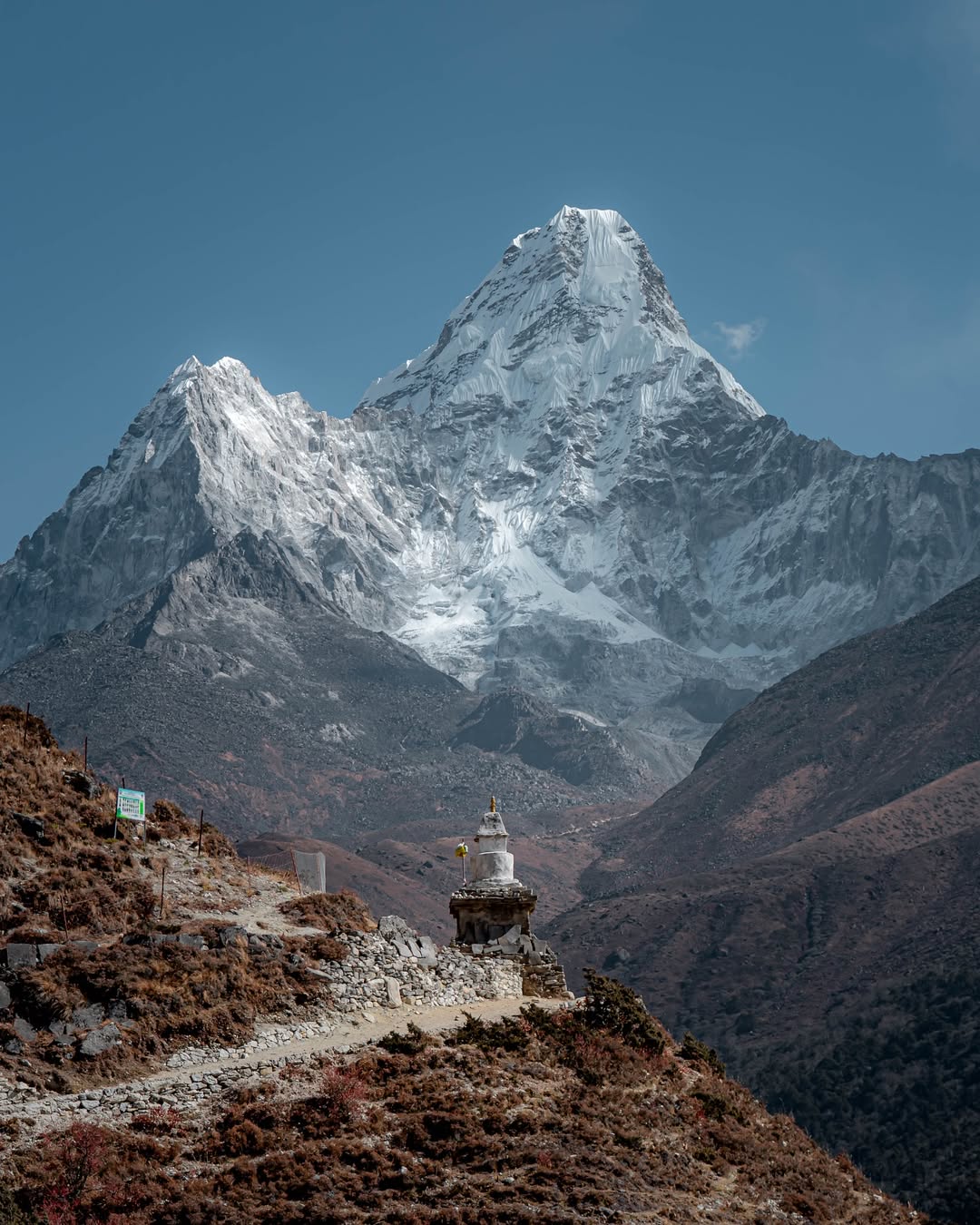
Dingboche offers some of the best vantage points for capturing Ama Dablam, often called the “Matterhorn of the Himalayas.†Early morning and late afternoon light create dramatic shadows on the mountain’s sharp ridges. Whether you’re using professional gear or just a smartphone, this is a photographer’s dream location. Even non-photographers will find themselves pausing often just to admire the view.
Cultural Interaction with Locals
Spending time in Dingboche is an opportunity to learn about Sherpa culture firsthand. Many teahouses are family-run, and the owners are happy to share stories about mountain life, religious traditions, and the changes trekking tourism has brought to the region. Joining locals for butter tea, participating in a Buddhist prayer ritual, or simply exchanging trekking tales can make your visit even more memorable.
Nearby Places to Visit from Dingboche
Periche
Located about an hour’s walk from Dingboche, Periche is a peaceful village known for its role as a major acclimatization and rest point on the Everest Base Camp route. It is home to the Himalayan Rescue Association clinic, where trekkers can learn about altitude sickness prevention and receive medical assistance if needed. Surrounded by rugged terrain and panoramic peaks, Periche also offers comfortable teahouses and a quiet atmosphere compared to busier stops.
Chhukung
Situated around 2–3 hours east of Dingboche, Chhukung is the gateway to Chhukung Ri and the Island Peak Base Camp. This small settlement offers breathtaking views of Lhotse, Ama Dablam, and Makalu, making it a photographer’s paradise. It is also an ideal place for acclimatization hikes, and many climbers use it as a staging point for high-altitude expeditions. The trail to Chhukung passes through open valleys and stone-walled fields that showcase the traditional Sherpa way of life.
Lobuche
Roughly 4–5 hours north of Dingboche, Lobuche is one of the final villages before reaching Everest Base Camp. It sits in a dramatic alpine setting surrounded by towering peaks and glaciers. Trekkers often spend a night here to adjust to the thin air before continuing to Gorak Shep. Lobuche offers a mix of traditional teahouses and modern lodges, as well as incredible views of nearby mountains such as Nuptse and Pumori.
Everest Base Camp
From Dingboche, it takes about 2–3 days of trekking to reach Everest Base Camp via Lobuche and Gorak Shep. Standing at 5,364 meters, this legendary destination is the staging area for climbers attempting to summit the world’s highest mountain. For trekkers, reaching Base Camp is the highlight of the journey, offering surreal views of the Khumbu Icefall and surrounding peaks. The sense of achievement upon arrival is unmatched, making it a bucket-list experience.
Ama Dablam Base Camp
A side trek from Dingboche leads to Ama Dablam Base Camp, providing an up-close encounter with one of the most beautiful and iconic peaks in the Himalayas. At an altitude of about 4,600 meters, the base camp offers spectacular views of Ama Dablam’s sharp ridges and snowy summit. The trail passes through alpine meadows, yak pastures, and scattered chortens, creating a blend of natural beauty and cultural heritage.
Trekking Tips for Visiting Dingboche
- Take Acclimatization Seriously: Spend at least one rest day here to adapt to the altitude.
- Layer Your Clothing: Weather can shift quickly from sunny to snowy.
- Stay Hydrated: Dehydration is more common at high altitudes.
- Avoid Alcohol: It can worsen altitude sickness symptoms.
- Start Early for Hikes: Mornings usually have clearer skies than afternoons.
Where to Stay in Dingboche
Accommodation options in Dingboche include traditional teahouses and more modern lodges. Rooms are generally simple, with shared bathrooms, but many places offer heated dining areas and Wi-Fi for a small fee. Family-run lodges are a great choice for those wanting an authentic Sherpa experience, and evenings by the stove are perfect for warming up and socializing with fellow trekkers.
Best Time to Visit Dingboche Village
The best months to visit are spring (March to May) and autumn (September to November). Spring offers blooming rhododendrons and milder weather, while autumn provides crystal-clear skies and sharp mountain views. Winter trekking is possible but cold, and summer monsoon season brings heavy rain and cloudy conditions.
Why Dingboche is a Must-Visit Himalayan Village
Dingboche is more than a stopover on the way to Everest Base Camp it’s a high-altitude gem where trekkers can rest, explore, and immerse themselves in the beauty of the Himalayas. With its panoramic views, cultural charm, and strategic location for acclimatization, Dingboche is a highlight of any Everest region adventure. Whether you’re sipping tea in a cozy bakery or watching sunrise over Ama Dablam, the memories you make here will stay with you forever.
Written By:
Deepanshu Negi

Hotels at your convenience
Now choose your stay according to your preference. From finding a place for your dream destination or a mere weekend getaway to business accommodations or brief stay, we have got you covered. Explore hotels as per your mood.