Discover the Magic of Famous Winter Treks in India This Season
 Ankit Rawat
16 Sep, 2025
10 mins read
54
Ankit Rawat
16 Sep, 2025
10 mins read
54
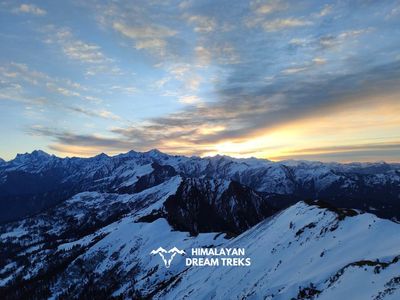
When winter arrives in India, the mighty Himalayas turn into a wonderland. The tall peaks shine under layers of snow, frozen rivers sparkle under the sun, and the quiet trails feel like hidden paths waiting to be explored. For trekking lovers, this season offers a completely different side of the mountains compared to summer or monsoon treks. Winter treks are not only about adventure but also about enjoying calm surroundings and stunning natural views. They bring the joy of camping under starry skies, walking through snowy forests, and reaching heights that look like dreamscapes. If you are looking for something unique and memorable, winter treks in India should definitely be on your travel list this season.
Why Choose Winter Treks in India?
Winter treks in India offer experiences that are hard to find at any other time of the year. The skies are often clear, which means the mountain views are wider and more breathtaking. The crisp cold air makes long walks easier compared to hot summers. Snow on the trails creates a magical feeling and gives trekkers a sense of adventure. Unlike the crowded summer months, winter brings peace to most trekking routes, making the journey more personal and refreshing. The charm of walking on fresh snow, seeing frozen lakes, and watching the sunrise over white peaks is unforgettable. For those who want both adventure and calmness, winter treks are the perfect choice.
Famous Winter Treks in India
1. Brahmatal Trek
Brahmatal is one of the most popular winter treks in Uttarakhand, known for its mix of beauty and adventure. The trail goes through forests of oak and rhododendron, which in winter get covered with snow and look straight out of a fairy tale. Trekkers get to camp in wide meadows that shine under the sunlight with snow all around. The highlight of the trek is the frozen Brahmatal Lake, which looks stunning during this season. From the trek, one can also see Himalayan giants like Mt. Trishul and Nanda Ghunti, adding more charm to the journey. It is a moderate trek and can be done by beginners who are ready for a little challenge.
2. Kedarkantha Trek
Kedarkantha, standing at 12,500 ft in Uttarakhand’s Govind Wildlife Sanctuary, is one of the most popular winter treks in India. The trail passes through pine, oak, and rhododendron forests, offering chances to spot diverse birds and wildlife along the way. Highlights of the trek include the frozen Juda ka Talab, peaceful forest walks, and the lively Sankri base village that serves as the starting point. The summit climb, though steep, is manageable and rewards trekkers with a stunning 360-degree view of Swargarohini, Bandarpoonch, Black Peak, and the Yamunotri Range. Night trekking to witness the sunrise from the summit is considered the most magical moment of the journey. In winter, the snow-covered trails, frozen lakes, and calm meadows turn Kedarkantha into a true Himalayan wonderland, making it an ideal adventure for beginners and nature lovers alike.
3. Chadar Trek
The Chadar Trek in Ladakh is unlike any other trek in India. During peak winter, the Zanskar River freezes completely, and trekkers walk on this thick sheet of ice. The frozen river looks like a shining glass floor with steep cliffs on both sides, creating a view that feels unreal. The trek is not easy, as temperatures can drop very low, but the experience is worth every effort. Trekkers also pass through icy caves and traditional Zanskari villages along the way, which adds a cultural touch to the adventure. Walking for days on a frozen river is a rare experience that stays with you for a lifetime. It is best suited for experienced trekkers who want to test their limits.
4. Dayara Bugyal Trek
Dayara Bugyal is one of the most beautiful meadows in Uttarakhand, and in winter, it turns into a wide field of snow. The open landscape gives trekkers a chance to see endless Himalayan ranges, including Bandarpoonch and Black Peak. The trek is not too long, which makes it suitable for beginners, families, and those looking for a short winter escape. Snow-covered pine trees, clear skies, and peaceful camping spots make this trek very enjoyable. The charm of walking on fresh snow in such a wide space is unmatched. Because it is less crowded, trekkers can truly connect with nature here. Dayara Bugyal is also a great choice for people who want to experience snow trekking for the first time.
5. Har Ki Dun Trek
Har Ki Dun, also known as the Valley of Gods, is a classic Himalayan trek that becomes magical in winter. The valley gets covered with snow, making the wooden houses, pine forests, and open fields look like a painting. Trekkers get to walk alongside frozen rivers and enjoy wide views of peaks like Swargarohini. The trek also passes through ancient villages, where people live in traditional wooden houses, giving a glimpse of old Himalayan culture. The silence of the valley during winter adds to its beauty, making it a calm and peaceful journey. Har Ki Dun is suitable for both beginners and regular trekkers who want a mix of nature and culture.
7. Tungnath – Chandrashila Trek
Tungnath, the highest Shiva temple in the world, becomes even more magical when covered with snow. The trail to Tungnath passes through oak and pine forests, which look fresh and beautiful in winter. From Tungnath, trekkers can continue to Chandrashila summit, which is the real highlight of this trek. The summit offers a 360-degree view of some of the tallest Himalayan peaks, including Nanda Devi and Chaukhamba. The trek is short but very rewarding, making it perfect for beginners. Winter makes the whole journey more special as the temple and summit feel peaceful and untouched. For anyone looking for a spiritual and scenic trek, Tungnath–Chandrashila is a wonderful choice.
Best Time for Winter Treks
The best time to go on winter treks in India is between late December and February. During these months, most trekking routes get heavy snow, and the landscapes look stunning. The mornings are often very cold, but clear skies bring beautiful views of the peaks. Trekkers should be prepared for sub-zero temperatures, especially at night. Carrying proper layers, gloves, and good shoes is important to enjoy the trek safely. While winter adds beauty, it also brings challenges, so being prepared makes the experience smoother. Choosing the right time also ensures that you see frozen lakes, snowy meadows, and untouched trails at their best.
Tips for Winter Trekking
Winter trekking requires a little more care and preparation compared to other seasons. Always carry warm clothes in layers so that you can adjust as per the weather. A good quality pair of shoes with grip is a must because you will be walking on snow and sometimes ice. Carrying small snacks and keeping yourself hydrated is very important, even if you don’t feel very thirsty in the cold. Trekking with a guide or in a group is always safer during winter because weather conditions can change quickly. Don’t forget to pack essentials like sunglasses, sunscreen, and a good sleeping bag to stay comfortable. If you follow these simple tips, your winter trek will be both safe and enjoyable.
Conclusion
Winter treks in India are full of charm, adventure, and memories that last forever. Whether you choose the short and beautiful Tungnath–Chandrashila trek or the challenging Chadar trek, each one offers something unique. The snow-covered landscapes, clear skies, and peaceful surroundings make these treks worth experiencing. For beginners, trails like Dayara Bugyal and Brahmatal are perfect, while experienced trekkers can try kedarkantha trek, Har Ki Dun or Chadar. The best part is that every trek feels different in winter, even if you have done it before in another season. So, if you want to see the Himalayas in their most magical form, plan a winter trek this season and discover the beauty waiting for you.
Written By:
Ankit Rawat

Hotels at your convenience
Now choose your stay according to your preference. From finding a place for your dream destination or a mere weekend getaway to business accommodations or brief stay, we have got you covered. Explore hotels as per your mood.