Discover the World: Top Destinations You Must Visit
 Johnc Joh
06 Mar, 2026
6 mins read
65
Johnc Joh
06 Mar, 2026
6 mins read
65
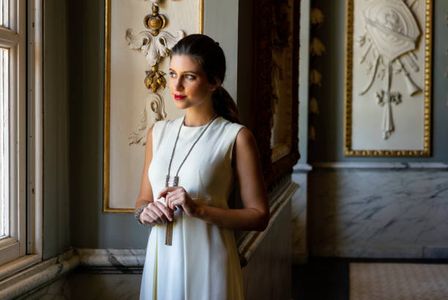
Have you ever wondered how a simple pair of shoes could hold so much power? It is not merely fashion that we offer, but centuries of history, of rebellion, of romance, and of womanhood itself—woven into every thread, every curve, every whisper-thin strap.
Long before the runways of Paris or the boutiques of Milan, there were the women of ancient courts and empires who first dared to elevate their feet—and their status. In the royal palaces of the Ming Dynasty, noblewomen glided upon "flower pot" soles, wooden heels that lifted them above the earth, making them appear almost otherworldly in their grace. These were not just shoes; they were symbols of refinement, of a life removed from the dust of labor.
Centuries before the runways of Paris or the boutiques of Milan lit up the world of fashion, it was within the ancient courts and imperial chambers of civilizations past that women first used footwear to elevate not only their stature but their social standing. In the royal palaces of the Ming Dynasty, noblewomen glided upon "flower pot" soles, wooden heels that lifted them above the earth, making them appear almost otherworldly in their grace. These were not just shoes; they were symbols of refinement, of a life removed from the dust of labor.
And across the seas, in the opulent halls of 16th-century Persia, cavalrymen first wore heels to steady themselves in the stirrups—a rugged utility that would soon be stolen by European aristocrats, then by kings like Louis XIV, who famously donned red-soled heels to appear taller, more divine, more powerful.
But it was women who breathed soul into the heel, transforming it from status symbol to intimate expression. By the 18th century, as men retreated into the sober practicality of trousers and flat summer boots, women claimed the high heel as their own—a whisper of rebellion, a curve of confidence, a rhythm in every step. It became a quiet act of defiance, a celebration of the feminine silhouette—an S-curve from heel to hip that celebrated biology rather than hiding it.
Then came the 20th century: the era of the stiletto. In 1954, Roger Vivier invented the steel heel, and suddenly, the shoe became a weapon of seduction, a "stilettto" dagger pointed at the heart of convention. Marilyn Monroe wore them. Audrey Hepburn danced in them. They were no longer just about height—they were about attitude.
And just as the heel was being sharpened, the sandal was being set free.
And just as the heel was being sharpened, the sandal was being set free. Once the humble companion of philosophers and peasants—woven from papyrus and leather in the heat of antiquity—sandals were worn by pharaohs in Egypt as early as 1500 BCE, adorned with golden thongs to signify divinity, and by Athenian statesmen strolling through the Agora, where simple leather straps denoted civic virtue. Over millennia, this modest footwear transcended function, evolving into a canvas for art. In the 1930s, Salvatore Ferragamo crafted cork wedges for the sun-drenched beaches of Capri; by the 1960s, Mary Quant laced them up the ankles of mod girls in London, turning them into symbols of youth and liberation.
Today, we honor that lineage.
Our sandals for women are descendants of those ancient sun-worshippers, reimagined for the modern muse. They are light, yes, but they carry the weight of history—the spirit of women who walked barefoot through gardens and rose to rule empires.
Our pumps? They are the evolution of that same power. They are for the woman who walks into a boardroom as if it were a ballroom, who knows that elegance is not a costume, but a birthright.
We do not just design shoes.
We curate legacies.
So when you slip into a pair, know that you are not just wearing leather and lace. You are stepping into a story that spans empires—a narrative of resilience, beauty, and unapologetic femininity.
Walk on, beautiful. The past is beneath your feet, and the future is yours to create.
Written By:
Johnc Joh

Hotels at your convenience
Now choose your stay according to your preference. From finding a place for your dream destination or a mere weekend getaway to business accommodations or brief stay, we have got you covered. Explore hotels as per your mood.