Dubai: A City Built Between Imagination and Reality
 Mosim Khokhar
31 Oct, 2025
9 mins read
90
Mosim Khokhar
31 Oct, 2025
9 mins read
90
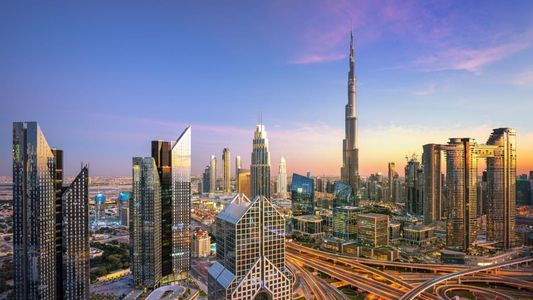
There are few places on Earth that capture the imagination quite like Dubai. What was once a small fishing and trading village on the Arabian Gulf has transformed into a global icon of progress, ambition, and architectural brilliance. Dubai is a city where glass towers rise from the desert, where futuristic visions meet traditional Arab culture, and where ideas once thought impossible have been made real. This remarkable journey is not just about modern infrastructure or luxury; it’s about the human drive to dream beyond limitations. Dubai shows the world how bold vision, planning, and innovation can turn imagination into reality.
From Desert Sands to a Global Dream
Dubai’s story begins in the early 20th century, long before the discovery of oil. It was a quiet coastal town known for pearl diving and trade across the Arabian Peninsula. However, in the 1960s, oil revenue provided the foundation for rapid development. Instead of relying solely on natural resources, Dubai’s leaders envisioned a diversified economy - one built on tourism, finance, technology, and global trade. Today, the city stands as a model for urban innovation, blending traditional Islamic values with modern global culture.
Gateway to the Emirates: Ras Al-Khaimah Visa and Regional Expansion
While Dubai often takes center stage, the United Arab Emirates as a whole has become a hub of opportunity. Many travelers visiting the UAE extend their journey beyond Dubai, especially to regions like Ras Al Khaimah. The Ras Al-Khaimah Visa system has simplified access for tourists and investors alike, encouraging exploration of the emirate’s natural beauty and adventure tourism. Ras Al Khaimah, located north of Dubai, offers a contrasting experience - serene beaches, rugged mountains, and ancient archaeological sites. This diversification in travel options across the UAE strengthens Dubai’s position as the gateway to the Emirates, attracting millions of visitors each year who seek both urban marvels and natural tranquility.
Urban Imagination: Ajman Visa and the Rise of Modern Infrastructure
Another fascinating aspect of Dubai’s regional influence is the way its growth has inspired neighboring emirates such as Ajman. With initiatives like the Ajman Visa, more people can now explore this smaller yet rapidly developing emirate. Ajman’s progress mirrors Dubai’s ambition but with its own unique pace and character. The shared vision among the Emirates is to create interconnected hubs that foster tourism, trade, and culture. This cooperative growth model supports Dubai’s long-term sustainability by ensuring balanced development across the UAE. The presence of such visa systems demonstrates how innovation in governance can enhance accessibility and unity among the Emirates.
Architecture: Turning Impossible Dreams into Icons
Dubai’s skyline is one of the most recognizable in the world. Every structure tells a story of pushing limits. The Burj Khalifa, the world’s tallest building, stands as a symbol of how far imagination can go when backed by engineering excellence. Similarly, projects like the Palm Jumeirah and the Museum of the Future redefine architectural norms.
The concept behind such projects is inspired by urban design theories that blend futurism with human-centric development. Instead of building merely for show, Dubai focuses on functionality, sustainability, and experience. Smart city initiatives, renewable energy integration, and artificial intelligence systems are gradually transforming the city into a living model of 21st-century urban planning.
Cultural Harmony and Global Influence
Despite its modern face, Dubai has not lost its cultural essence. The city beautifully integrates traditional Arabian hospitality with cosmopolitan diversity. Over 200 nationalities live and work in Dubai, making it one of the most multicultural cities in the world. This harmony between heritage and globalization demonstrates that progress does not mean losing identity - it means enhancing it.
Cultural festivals, art exhibitions, and food events from around the world make Dubai a melting pot of ideas and traditions. The city also plays a major role in global diplomacy, trade summits, and sustainability discussions, proving that its influence extends far beyond its borders.
Real-Life Success Stories and Case Studies
Dubai’s success can be seen in its approach to tourism and innovation. Take, for example, the Dubai Expo 2020 - a world event that brought together innovation, sustainability, and cultural exchange under one banner. It attracted millions of visitors and generated international business partnerships.
Another example is the Dubai Smart City initiative, which uses technology to improve the quality of life for its residents. From AI-powered transport systems to paperless government services, Dubai continues to lead by example in digital transformation.
Challenges and Future Vision
Every great city faces challenges, and Dubai is no exception. Rapid growth demands continuous adaptation in environmental management, housing, and infrastructure. However, Dubai’s leadership has consistently shown foresight in tackling such issues. The Dubai 2040 Urban Master Plan focuses on sustainable living, green spaces, and efficient transport systems.
Moreover, Dubai’s growing interest in renewable energy, particularly through the Mohammed bin Rashid Al Maktoum Solar Park, shows its commitment to balancing development with environmental responsibility. The city’s ability to innovate while preserving nature is what sets it apart.
Conclusion
Dubai is more than just a city - it is an idea brought to life. It stands between imagination and reality, proving that bold dreams, when guided by vision and determination, can reshape the world. From transforming deserts into skyscrapers to uniting cultures from across the globe, Dubai remains an inspiring example of what human ambition can achieve. The collaboration between its neighboring emirates, like Ras Al Khaimah and Ajman, further enhances this vision of progress and unity. In many ways, Dubai doesn’t just belong to the UAE; it belongs to the future.
Frequently Asked Questions (FAQ)
Q1: Why is Dubai often called a city of the future?
Dubai is known for its futuristic architecture, advanced technology, and forward-thinking governance that emphasize innovation and sustainability.
Q2: How did Dubai grow so fast?
Strong leadership, strategic economic diversification, and heavy investment in infrastructure and tourism helped Dubai achieve rapid growth.
Q3: What makes Dubai unique compared to other global cities?
Its blend of tradition and modernity, combined with multicultural inclusivity, makes Dubai a truly unique global destination.
Q4: Is Dubai focusing on sustainability for the future?
Yes, initiatives like the Dubai 2040 Master Plan and renewable energy projects are central to its sustainable growth vision.
Written By:
Mosim Khokhar

Hotels at your convenience
Now choose your stay according to your preference. From finding a place for your dream destination or a mere weekend getaway to business accommodations or brief stay, we have got you covered. Explore hotels as per your mood.