Dudhsagar Trek : Route, Best time to visit, How to reach, Tips and more
 Ruhi RR
02 Sep, 2025
9 mins read
101
Ruhi RR
02 Sep, 2025
9 mins read
101
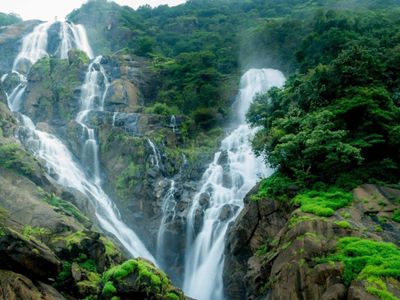
Most travelers know Goa for its beaches, parties, and Portuguese charm. But tucked deep in its forests lies a very different side of the state—one that roars with untamed beauty. The Dudhsagar Trek is your ticket to that side. Rising dramatically at the border of Goa and Karnataka, the Dudhsagar Waterfall plunges nearly 310 meters, earning its name “Sea of Milk†from the frothy white waters that cascade down the cliffs.
If you’re seeking an adventure that combines raw wilderness, railway nostalgia, and one of India’s tallest waterfalls, this trek deserves a spot on your list.
Why Dudhsagar Trek Is More Than Just a Waterfall Hike
You might have seen Dudhsagar in pictures—or in the Bollywood film Chennai Express—but nothing prepares you for the real thing. The journey is just as magical as the destination. The trek takes you through Bhagwan Mahavir Wildlife Sanctuary, where dense forests hum with cicadas and colorful birds swoop across the canopy. At points, you walk along railway tracks, ducking into tunnels and stepping aside for passing trains—a thrill in itself.
What makes this trek unique is the variety. One moment you’re navigating muddy trails and streams, and the next you’re looking up at a train curving across the famous bridge, framed by the waterfall in the background. It’s a perfect blend of adventure and cinematic beauty.
Picking Your Route: Ways to Reach Dudhsagar
There’s more than one path to Dudhsagar, and each comes with its own flavor.
The Kulem to Dudhsagar route is the most popular, stretching about 11 km each way. Starting at Kulem Railway Station, the trail winds through forest tracks, small streams, and railway lines. It’s a moderately challenging walk, manageable for most beginners with decent stamina.
For those who want a longer and more intense trek, the Castle Rock route from Karnataka is an option. This trail covers around 14 km, with plenty of tunnels and bridges along the way. The thrill of walking through long, pitch-dark railway tunnels makes it unforgettable, but it’s not for the faint-hearted.
If trekking isn’t your thing, jeep safaris are available from Kulem during the post-monsoon season. Managed by the forest department, they take you through rugged paths right up to the base of the falls. While fun, the jeep ride skips the essence of the trek—the slow reveal of the waterfall after hours of walking.
Best Time to Visit Dudhsagar
The waterfall transforms with the seasons, so timing matters.
Monsoon (July to September) brings Dudhsagar to life. The cascade is thunderous, the forests are lush, and the entire landscape feels alive. But trekking during peak monsoon is risky due to heavy rain, leeches, and slippery paths. This is when jeep safaris are the safer choice.
The best time for trekking is October to February. The weather is cool, the waterfall still flows with power, and the trails are manageable. From March to May, summer heat makes the trek uncomfortable, and the waterfall thins down, losing much of its charm.
If you want the best mix of safety and spectacle, plan your Dudhsagar trek between November and January.
How to Reach Dudhsagar
Reaching the starting points of the trek is fairly straightforward.
- By Train: Kulem (Goa side) and Castle Rock (Karnataka side) are the key stations. Both are small, so check train schedules carefully. Trains from Margao and Vasco connect directly to Kulem.
- By Road: From Goa’s main hubs like Panjim, Margao, or Calangute, it’s a 2–3 hour drive to Kulem. From Bangalore or Pune, you can drive or take an overnight bus to Castle Rock.
- By Air: The nearest airport is Goa International Airport (Dabolim), about 70 km from Kulem.
For a smooth experience, most travelers start early morning from Kulem. This not only gives you time to trek without rushing but also lets you enjoy the falls before the afternoon crowds.
Tips, Safety, and Budget Advice
The Dudhsagar trek is not overly difficult, but it does demand preparation. Wear sturdy trekking shoes with good grip—the tracks and trails can get slippery. Carry at least two liters of water and some high-energy snacks, as there are no shops inside the sanctuary. A rain jacket or poncho is handy outside winter, as showers can surprise you.
If trekking along railway lines, always stay alert. Move off the tracks well before a train approaches, and carry a torch if you plan to pass tunnels. Hiring a local guide is strongly recommended, especially if you’re new. Not only does it ensure safety, but guides also know the best photo spots and stories about the area.
Budgeting is simple: apart from transport and permits, costs are minimal. Local guides charge ₹500–700 for groups, while jeep safaris cost around ₹500–700 per person. Homestays in Kulem or Castle Rock are affordable, ranging from ₹800–1500 per night with meals.
Exploring Beyond the Waterfall
While Dudhsagar steals the spotlight, the surrounding region has hidden gems worth exploring.
Tambdi Surla Temple, a 12th-century stone temple tucked deep inside the forest, is a peaceful cultural stop. The Bhagwan Mahavir Wildlife Sanctuary itself is rich in flora and fauna—you might spot hornbills, langurs, or if you’re lucky, even a leopard. A short trip takes you to Devil’s Canyon, a gorge with swirling waters and eerie local legends.
If you’re staying longer, balance your adventure with Goa’s beaches. After a sweaty trek, relaxing at Palolem or Agonda beach makes for the perfect contrast.
Wrapping Up: Why Dudhsagar Trek Belongs on Your Bucket List
The Dudhsagar Trek isn’t just about reaching a waterfall. It’s about immersing yourself in nature’s drama—walking through wild forests, balancing on railway lines, and finally standing in awe before a cascade that looks like liquid silver pouring from the sky. It’s an adventure that strips away Goa’s touristy stereotypes and reveals something raw and refreshing.
Whether you’re a seasoned trekker or someone just looking to experience Goa differently, Dudhsagar offers the perfect mix of thrill and wonder. And the best part? It’s as accessible as it is unforgettable.
So the next time you plan a trip to Goa, pack your trekking shoes along with your beachwear. Because sometimes, the best memories aren’t made at the shore—they’re made deep in the forest, chasing the Sea of Milk.
Written By:
Ruhi RR

Hotels at your convenience
Now choose your stay according to your preference. From finding a place for your dream destination or a mere weekend getaway to business accommodations or brief stay, we have got you covered. Explore hotels as per your mood.