Dudhsagar Trek – Complete Guide for First-Time Visitors
 Manish Choudhary
23 Feb, 2026
13 mins read
106
Manish Choudhary
23 Feb, 2026
13 mins read
106
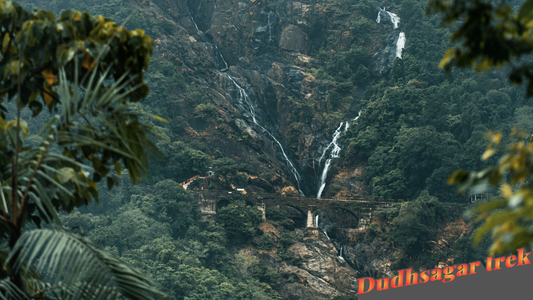
Hidden in the lush Western Ghats on the border of Goa and Karnataka, Dudhsagar Falls is one of India's most breathtaking waterfalls. The name means "Sea of Milk," and when you see the white water cascading down from over 300 meters, you'll understand why. This trek has become a favorite among adventure lovers and nature enthusiasts seeking a truly special experience.
If you're planning your first Dudhsagar trek, this guide covers everything you need to know in simple terms.
About Dudhsagar Falls
Dudhsagar is among the tallest waterfalls in India, with water plunging in four distinct tiers. The falls are fed by the Mandovi River and are located within the Bhagwan Mahavir Wildlife Sanctuary. This means the entire area is rich with wildlife and lush greenery. The best time to visit is between October and February, when the weather is pleasant and the waterfall still carries the memory of monsoon rains. During peak monsoon, the falls are at their most powerful, but trekking routes become dangerous and are often closed for safety.
How to Reach the Trek Starting Point
Most treks to Dudhsagar begin from either Kulem in Goa or Castle Rock in Karnataka. Both are small railway stations that serve as gateways to the forest. From cities like Mumbai, Pune, or Bangalore, you can take overnight trains that arrive early morning—perfect timing to start your trek. If you're coming by road, taxis and buses are available from Panaji or Madgaon in Goa to reach Kulem. The nearest airport is Goa International Airport at Dabolim, about 70 kilometers away.
Choosing Your Trek Route
The Kulem route is the most popular choice, especially for first-time trekkers. The trail stretches about 11 to 12 kilometers through the wildlife sanctuary, following railway tracks for much of the way. You'll walk through dense forest, cross small streams, and pass through dark railway tunnels. The longest tunnel stretches nearly two and a half kilometers—carrying a torch is essential.
The Castle Rock route is longer and slightly more challenging, covering around 14 kilometers. This path takes you through more tunnels and over old railway bridges, offering stunning valley views. Experienced trekkers often prefer this route for the sense of solitude and dramatic landscapes.
Whichever route you choose, the trek takes four to six hours one way. Starting early, around 6 or 7 in the morning, gives you plenty of time to enjoy the falls before heading back.
Permits and Regulations
Since the trek passes through a protected forest, you need permits from the Goa Forest Department. You can get these at the booking counter near Kulem Railway Station. You'll need to show a valid ID proof, such as an Aadhaar card or passport. The permit fee is around 700 rupees per person. Trekkers must also be accompanied by a forest-approved guide. This isn't just paperwork—the guides know the terrain well and can point out things you'd otherwise miss.
Walking on railway tracks without permission is illegal and can lead to arrest. Always follow official routes and obtain proper permits before your trek.
What to Pack
Packing right makes all the difference on a trek like this. Sturdy shoes with good grip are non-negotiable—you'll be walking on railway tracks, uneven forest paths, and sometimes slippery rocks. A lightweight backpack should carry at least two to three liters of water, energy snacks like dry fruits or biscuits, and a raincoat, even if the forecast looks clear. The weather in the Western Ghats can change quickly.
A torch or headlamp is essential for the tunnels. Keep it in an easily accessible pocket. Carry a small first-aid kit with bandages, antiseptic cream, and any personal medicines. Mosquito repellent is another must—the forest has plenty of insects. Because you might get wet near the falls, having an extra pair of clothes and a waterproof cover for your bag is a good idea.
What the Trek Feels Like
The trail begins quietly, winding through the forest where the only sounds are birds calling and leaves rustling. For the first hour, the path is relatively flat, letting your body warm up. As you walk, you'll notice the forest coming alive around you—butterflies in brilliant colors, monkeys watching from the trees, and maybe even a glimpse of a Malabar giant squirrel.
Reaching the railway tracks changes the trek's character. Now you're walking on stone and steel, with tracks stretching ahead through the forest. There's something meditative about this part—the rhythm of footsteps, heat from the tracks, and forest opening up on both sides. But you must stay alert. These are active railway lines, and trains do pass through. Your guide will help navigate this safely.
The tunnels are another experience entirely. Walking into one feels like stepping into another world. Darkness is absolute, broken only by your torch beam. The air turns cool and damp. Footsteps echo off the walls. Some tunnels are short enough to see light at the other end. Others stretch so far that darkness seems to swallow your torchlight.
After hours of walking, you'll hear it before you see it—a low rumble growing steadily louder until it becomes a roar. Then you round a corner, and there it is. Dudhsagar Falls, crashing down the mountainside in a cascade of white foam. Water seems to glow against dark rock, and spray rises like mist, catching sunlight and forming rainbows that shift and dance.
Standing at the base, with all that water hitting the pool below, you feel small in the best way. You can spend time taking photos, dipping your feet in the cold water, or just sitting and watching. The noise is constant but somehow peaceful—the sound of something ancient and powerful doing what it has done for thousands of years.
Return Journey
You'll need to start back by early afternoon to reach the base before dark. The return trek often feels more tiring, so pace yourself and take breaks as needed. Keep drinking water and snacking to maintain energy. By the time you reach the starting point, you'll be tired but deeply satisfied, with memories that will last long after your muscles stop aching.
Alternative: Jeep Safari
If trekking isn't your preference, a jeep safari offers a thrilling alternative. Operated by the Goa Forest Department, these safaris start from Kulem and take about 45 minutes through rugged terrain, river crossings, and dense forest. The adventure itself is memorable, bouncing along in an open jeep with wind in your face. Cost is around 400 to 500 rupees per person, and the safari operates from October to May. This option is perfect for families or those with limited time.
Nearby Places to Visit
After your Dudhsagar trek, consider visiting Tambdi Surla Temple—a 12th-century temple dedicated to Lord Shiva, built in basalt stone and surrounded by dense forest. It's the only temple of its kind still functioning in Goa. Devil's Canyon near Dudhsagar offers dramatic rock formations and swift river torrents, popular among photographers. Mollem National Park, part of the same wildlife sanctuary, is home to diverse wildlife, including leopards, deer, and over 200 bird species.
Where to Stay
Accommodation options near Dudhsagar range from budget homestays to comfortable resorts. Budget stays and homestays in Kulem and Mollem cost between 1,000 and 2,500 rupees per night. Mid-range resorts like Shanti Nature Resort or Jungle Book Resort range from 3,500 to 7,000 rupees. For trekkers, staying in Kulem is most convenient, as it provides easy access to the starting point.
Food Options
Food facilities are limited on the trekking route, so carrying your own snacks and water is essential. Small restaurants in Kulem, Mollem, and Castle Rock serve Goan and South Indian food, including fish curry rice, poha, and bhaji-pav. Many trek organizers include breakfast and lunch in their packages. A typical meal at local eateries costs between 100 and 500 rupees per person.
Safety Tips
Always obtain proper forest permits before trekking. Start early by 6 or 7 in the morning. Wear sturdy, waterproof trekking shoes. Carry sufficient water and snacks. Hire a local guide if unfamiliar with the route. Check train schedules when walking along tracks. Stay on marked trails. Carry identification proof.
Never trek alone—always go in groups. Don't trek without permits. Avoid swimming in strong currents. Don't litter—carry back all waste. Never disturb wildlife. Don't attempt the trek during heavy monsoon rains. Avoid walking on railway tracks when a train is approaching.
For emergencies, contact the Forest Department office in Kulem. Police can be reached at 112, while ambulances can be contacted at 102 or 108.
Frequently Asked Questions
Is the Dudhsagar trek suitable for beginners? Yes, the Kulem route is easy to moderate and suitable for beginners with basic fitness.
Can I trek during the monsoon? Trekking during the peak monsoon is restricted due to safety concerns. October to February is safest.
Do I need a guide? While not mandatory if you're experienced, hiring a guide is highly recommended for first-timers.
Is swimming allowed? Swimming is possible in the natural pool, but caution is advised due to strong currents.
How long does the trek take? The trek takes four to six hours one way. Plan for a full-day excursion.
Can I take children? Children above 12 with good fitness can manage. For younger kids, the jeep safari is better.
What is the trek distance? The trek distance ranges from 11 to 14 kilometers one way, depending on your starting point.
Is the mobile network available? Mobile network is poor to non-existent in most parts. Don't rely on online maps.
Final Thoughts
The Dudhsagar trek offers an incredible blend of adventure, natural beauty, and the reward of witnessing one of India's most magnificent waterfalls. From walking through dense forests and dark railway tunnels to finally standing before the thundering "Sea of Milk," every moment creates lasting memories. With proper planning, the right gear, and respect for nature and local regulations, your Dudhsagar trek will be an adventure you'll treasure forever.
Written By:
Manish Choudhary

Hotels at your convenience
Now choose your stay according to your preference. From finding a place for your dream destination or a mere weekend getaway to business accommodations or brief stay, we have got you covered. Explore hotels as per your mood.