Eco-Adventures: Explore the Heart of Kudremukh National Park
 Palakshi Meharwal
28 Aug, 2025
6 mins read
55
Palakshi Meharwal
28 Aug, 2025
6 mins read
55
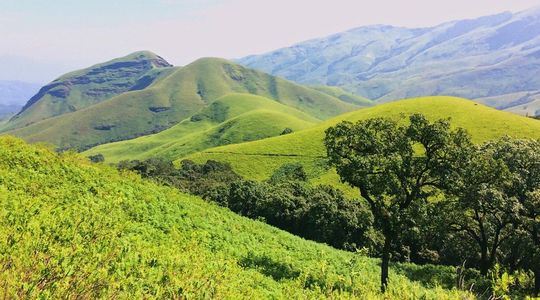
Kudremukh National Park, nestled in the Western Ghats of Karnataka, India, offers an unparalleled blend of biodiversity, adventure, and ecological significance. Spanning approximately 600.57 square kilometers across the Chikkamagaluru and Dakshina Kannada districts, this protected area is a haven for nature enthusiasts and conservationists alike.
Ecological Significance
Designated as a biodiversity hotspot, Kudremukh National Park is home to a rich tapestry of flora and fauna. The park's diverse ecosystems include primary and secondary evergreen forests, semi-evergreen forests, moist deciduous forests, shola forests, and high-altitude grasslands. This variety of habitats supports over 1,800 plant species and numerous animal species, including tigers, leopards, wild dogs, and the endangered lion-tailed macaque.
The park's unique climate, characterized by heavy rainfall and mist, contributes to the formation of perennial streams that feed into major rivers like the Tunga, Bhadra, and Nethravathi. These waterways are vital lifelines for the surrounding communities and ecosystems.
Trekking Adventures
Kudremukh National Park is renowned for its scenic trekking routes that meander through dense forests, rolling hills, and mist-covered valleys. The Kudremukh Trek, the park's most popular trail, is an 18-kilometer journey that offers panoramic views and a chance to witness the park's rich biodiversity up close.
Other notable treks include the Nethravathi Peak, Gangadikal Peak, and Kurinjal Peak treks, each offering unique landscapes and experiences. These treks are suitable for both beginners and seasoned trekkers, with varying levels of difficulty and duration.
Flora and Fauna
The park's diverse vegetation supports a wide array of wildlife. Endangered species such as the Malabar giant squirrel, sloth bear, and gaur roam the forests, while over 170 bird species, including the Malabar whistling thrush and imperial pigeon, can be spotted by avid birdwatchers.
The rich flora includes species like teak, rosewood, and silver oak, which provide habitat and food for the park's diverse fauna. The park's ecosystems are also home to numerous amphibian species, highlighting its ecological importance.
Eco-Tourism and Conservation
Kudremukh National Park is a model for sustainable eco-tourism, balancing visitor engagement with conservation efforts. Visitors are encouraged to follow Leave No Trace principles, avoid plastic, and respect wildlife habitats. The park's management emphasizes responsible tourism to ensure the preservation of its unique ecosystems.
Accommodations within the park, such as the Bhagawathi Nature Camp, offer immersive experiences for nature lovers. These camps provide a base for treks and opportunities for bird watching and wildlife observation .
Best Time to Visit
The ideal time to explore Kudremukh National Park is between October and March. During this period, the weather is cooler and drier, making trekking and wildlife spotting more enjoyable. The monsoon season, while enhancing the park's lush greenery, can make trails slippery and challenging for trekkers .
Travel Tips
- Permits: Trekking in Kudremukh National Park requires prior permission. Visitors can obtain permits and information through the official park website.
- Guides: Hiring local guides is recommended for trekking, as they provide valuable insights into the park's ecology and ensure safety.
- Packing Essentials: Carry sufficient water, wear comfortable trekking shoes, and pack rain gear, especially if visiting during the monsoon season.
- Respect Wildlife: Maintain a safe distance from animals and refrain from feeding them to preserve their natural behaviors.
Conclusion
Kudremukh National Park stands as a testament to India's rich natural heritage and the importance of preserving biodiversity. Its diverse ecosystems, abundant wildlife, and scenic landscapes offer an enriching experience for eco-tourists and adventure seekers. By embracing sustainable tourism practices, visitors can contribute to the ongoing conservation efforts that protect this ecological treasure for generations to come.
Written By:
Palakshi Meharwal

Hotels at your convenience
Now choose your stay according to your preference. From finding a place for your dream destination or a mere weekend getaway to business accommodations or brief stay, we have got you covered. Explore hotels as per your mood.