Electric Fleet Vehicles Transforming Business Travel
 Ella Grace
14 May, 2026
10 mins read
61
Ella Grace
14 May, 2026
10 mins read
61
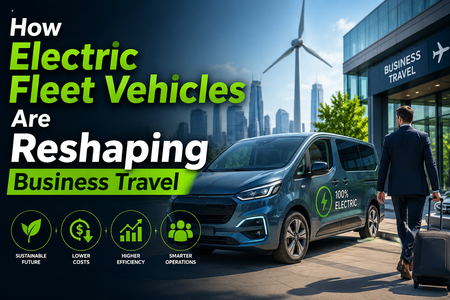
How Electric Fleet Vehicles Are Reshaping Business Travel
The transportation industry is experiencing one of the biggest transformations in modern history, and electric vehicles are leading the change. While personal electric cars often receive the most attention, businesses are increasingly turning toward electric fleet vehicles as a smarter and more sustainable transportation solution. Delivery companies, logistics providers, municipalities, and corporate organizations are investing heavily in electric fleets to reduce fuel costs, improve efficiency, and meet environmental goals.
Rising fuel prices and stricter emissions regulations have pushed businesses to reconsider traditional gasoline and diesel-powered fleets. Electric vehicles offer a cleaner alternative with lower operating expenses and fewer maintenance requirements. Unlike combustion engines that require regular oil changes and extensive mechanical servicing, EVs have simpler systems that can reduce downtime and long-term repair costs. For companies operating large fleets, these savings can become substantial over time.
Consumer expectations are also influencing the shift toward electric transportation. Customers increasingly prefer brands that demonstrate environmental responsibility and sustainability. Businesses that adopt electric fleets often strengthen their public image while aligning with global efforts to reduce carbon emissions. From last-mile delivery services to public transportation agencies, electric mobility is becoming an important part of long-term business strategy.
As adoption continues to grow, the need for reliable charging infrastructure has become more important than ever. Efficient fleet operations depend on fast, scalable, and dependable charging systems capable of supporting multiple vehicles simultaneously. This is where advanced EV fleet charging solutions are playing a crucial role in helping businesses transition smoothly into the future of transportation.
Why Businesses Are Investing in Electric Fleets
Electric fleet vehicles are becoming increasingly attractive because they offer both financial and operational benefits. One of the biggest advantages is lower fuel costs. Electricity is generally cheaper and more stable in price compared to gasoline or diesel, allowing businesses to better manage transportation expenses. For companies with large delivery or service fleets, even small savings per vehicle can add up significantly over the course of a year.
Maintenance costs are another major factor driving adoption. Electric vehicles contain fewer moving parts than traditional combustion vehicles, which reduces wear and tear. Fleet managers often report lower maintenance requirements, fewer breakdowns, and longer vehicle lifespans after switching to electric models. This improved reliability helps businesses minimize operational disruptions and maximize productivity.
Government incentives and environmental policies are also accelerating the transition. Many countries and local governments offer tax benefits, rebates, and grants for businesses investing in electric transportation infrastructure. Some urban areas are even introducing low-emission zones where electric vehicles receive priority access or reduced fees. Companies that adapt early can benefit financially while staying ahead of future regulations.
Corporate sustainability goals are another important influence. Investors, customers, and stakeholders increasingly expect businesses to reduce their environmental impact. Electric fleets help organizations lower greenhouse gas emissions and demonstrate commitment to cleaner operations. For many brands, sustainability has become more than a marketing strategy—it is now a competitive business advantage.
The rapid advancement of EV technology has further increased confidence in electric fleets. Modern electric vans, trucks, and service vehicles now offer improved battery range, faster charging capabilities, and advanced telematics systems that help businesses monitor performance in real time. As battery technology continues to improve, electric fleets are becoming practical for a wider range of industries and operational demands.
The Importance of Reliable Charging Infrastructure
While electric fleets offer numerous advantages, their success depends heavily on efficient charging infrastructure. Businesses need charging systems that are reliable, scalable, and capable of supporting daily operational requirements without causing delays or interruptions. Poor charging management can impact delivery schedules, employee productivity, and overall fleet performance.
This is why many organizations are investing in specialized EV fleet charging solutions designed specifically for commercial operations. Unlike residential chargers, fleet charging systems are built to handle multiple vehicles simultaneously while optimizing energy use and charging schedules. Smart charging technology can prioritize vehicles based on route schedules, battery levels, and operational needs, ensuring that fleets remain fully functional throughout the day.
Energy management is becoming an increasingly important part of fleet charging strategies. Businesses must consider electricity demand, utility costs, and peak charging times to avoid excessive energy expenses. Advanced charging systems often include software that helps companies monitor energy consumption, reduce costs, and improve charging efficiency through automated scheduling.
Scalability is another key consideration. Many businesses begin with a small number of electric vehicles before gradually expanding their fleets. Charging infrastructure must be flexible enough to support future growth without requiring complete system replacements. Companies that invest in scalable charging networks can adapt more easily as electric transportation becomes a larger part of their operations.
The location of charging stations also matters significantly. Some businesses install chargers at warehouses or distribution centers, while others rely on workplace charging or public infrastructure. Fleet managers must carefully evaluate daily routes, vehicle usage patterns, and charging times to create systems that maximize efficiency and minimize downtime.
How Electric Fleets Are Shaping the Future
Electric fleets are changing more than just transportation costs—they are reshaping how businesses think about efficiency, sustainability, and innovation. Delivery companies are using electric vans to reduce emissions in crowded urban areas, while municipalities are introducing electric buses and service vehicles to improve air quality and lower operating costs. Even industries like construction and logistics are beginning to explore heavy-duty electric trucks as battery technology improves.
The growth of electric fleets is also encouraging innovation in renewable energy and smart grid technology. Some businesses are combining charging infrastructure with solar energy systems and battery storage to reduce dependence on traditional power sources. These integrated solutions can improve energy resilience while supporting broader sustainability goals.
Autonomous driving technology may further accelerate the evolution of electric fleets in the future. Many self-driving vehicle prototypes are being developed on electric platforms because EV systems integrate more efficiently with digital technologies and automated controls. This combination of electrification and automation could dramatically transform transportation and logistics over the next decade.
Public perception is also shifting rapidly. Electric vehicles are no longer viewed as experimental or limited alternatives. They are becoming symbols of innovation, efficiency, and forward-thinking business practices. Companies that adopt electric fleets today are positioning themselves as leaders in an increasingly competitive and environmentally conscious market.
Conclusion
Electric fleet vehicles are becoming a major force in modern business transportation. Lower fuel expenses, reduced maintenance costs, government incentives, and sustainability goals are encouraging organizations across industries to transition away from traditional combustion-powered fleets. As technology improves and electric vehicle adoption accelerates, businesses are discovering new opportunities to improve efficiency while reducing environmental impact.
Reliable charging infrastructure remains one of the most important factors supporting this transformation. Businesses that invest in smart and scalable charging systems can ensure smooth operations while preparing for future growth. Advanced EV charging technologies are helping companies manage energy use, reduce operational costs, and keep vehicles ready for daily demands.
The future of commercial transportation is clearly moving toward electrification. Businesses that embrace electric fleet strategies today are likely to gain long-term advantages in cost savings, brand reputation, and operational efficiency. As cities become smarter and sustainability becomes more important worldwide, electric fleets will continue shaping the next generation of transportation and business innovation.
Written By:
Ella Grace

Hotels at your convenience
Now choose your stay according to your preference. From finding a place for your dream destination or a mere weekend getaway to business accommodations or brief stay, we have got you covered. Explore hotels as per your mood.