Emergency Services on Char Dham Yatra Route
 Rawat Sikhar
11 May, 2026
13 mins read
59
Rawat Sikhar
11 May, 2026
13 mins read
59
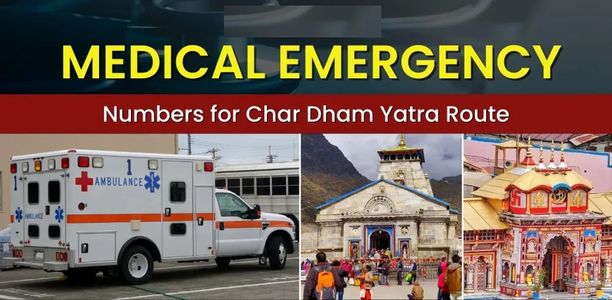
The Char Dham Yatra of Uttarakhand is one of India’s most sacred pilgrimages, attracting millions of devotees every year to the holy shrines of Kedarnath, Badrinath, Gangotri, and Yamunotri in Uttarakhand. While the journey is spiritually powerful, it is also physically demanding because of steep mountain roads, unpredictable weather, high altitude, and difficult trekking routes.
Every year, pilgrims face emergencies such as:
- altitude sickness
- heart problems
- road accidents
- landslides
- weather disruptions
- dehydration
- health complications
This is why emergency services play a critical role in ensuring pilgrim safety during the Char Dham Yatra.
Over the years, the Uttarakhand government, disaster response teams, police, health departments, and local authorities have significantly improved emergency support systems across the Char Dham routes. However, because the Yatra takes place in the fragile Himalayan region, awareness and preparation are still extremely important.
This guide explains the major emergency services available on the Char Dham Yatra route and how pilgrims can stay safe during emergencies.
Why Emergency Services Are So Important in Char Dham Yatra
Unlike ordinary tourist destinations, the Char Dham routes pass through:
- high-altitude Himalayan terrain
- narrow mountain roads
- landslide-prone regions
- remote valleys
- unpredictable weather zones
Even small problems can become serious emergencies in these areas.
For example:
- a simple breathing issue can worsen at high altitude
- heavy rain can suddenly block highways
- vehicle breakdowns may occur in isolated regions
- pilgrims may lose network connectivity during emergencies
Because of these risks, emergency response systems become essential for the safety of lakhs of travelers.
Main Types of Emergency Services Available on Char Dham Route
Several departments work together during the Yatra season.
1. Medical Emergency Services
Medical support is one of the most important emergency systems during Char Dham Yatra.
Temporary Medical Camps
The Uttarakhand government sets up:
- health camps
- first-aid centers
- emergency medical units
- mobile medical teams
across major Yatra routes.
These centers help pilgrims suffering from:
- fever
- dehydration
- altitude sickness
- fatigue
- breathing problems
- minor injuries
Doctors & Health Staff
Medical teams often include:
- doctors
- nurses
- paramedics
- pharmacists
They remain available at important stops and pilgrimage routes.
Ambulance Services
Ambulances are deployed across:
- highway routes
- major towns
- temple routes
- trekking points
In critical situations, patients are transferred to nearby hospitals.
2. Air Ambulance & Helicopter Rescue Services
In severe emergencies, helicopter rescue becomes life-saving.
Because many Char Dham locations are difficult to access quickly by road, helicopter evacuation is sometimes used for:
- heart attack cases
- serious injuries
- altitude emergencies
- critical medical conditions
This is especially important in Kedarnath, where weather and terrain can delay road access.
3. Disaster Response Teams
The Himalayan region is highly sensitive to natural disasters.
During Char Dham Yatra, agencies remain alert for:
- landslides
- flash floods
- cloudbursts
- road collapses
- river overflow
Major Emergency Forces Include:
- SDRF (State Disaster Response Force)
- NDRF (National Disaster Response Force)
- local police teams
- district administration
These teams conduct:
- rescue operations
- evacuations
- route clearing
- emergency assistance
4. Police Assistance & Security Services
Police support is available throughout major Char Dham routes.
Their responsibilities include:
- traffic management
- crowd control
- route guidance
- emergency coordination
- missing person assistance
Police checkpoints are located at many important locations.
During peak Yatra season, traffic pressure becomes extremely high, especially near:
- Rishikesh
- Rudraprayag
- Guptkashi
- Sonprayag
- Joshimath
Police teams help regulate vehicle movement to reduce accidents and chaos.
5. Emergency Control Rooms
Special Yatra control rooms are established to monitor:
- weather conditions
- traffic flow
- disaster alerts
- road closures
- pilgrim safety
These control rooms coordinate communication between:
- police
- hospitals
- rescue teams
- administration
In emergency situations, quick coordination becomes critical.
6. Weather Monitoring Systems
Weather is one of the biggest risk factors during Char Dham Yatra.
Sudden:
- heavy rainfall
- snowfall
- fog
- thunderstorms
- cloudbursts
can create dangerous situations.
Authorities continuously monitor weather conditions and issue advisories to pilgrims.
During severe weather:
- routes may close temporarily
- helicopter services may stop
- trekking movement may be restricted
Pilgrims should never ignore weather warnings.
7. Emergency Support on Kedarnath Trek
The Kedarnath route requires special emergency arrangements because of the difficult trek.
Facilities available on the route may include:
- medical aid stations
- oxygen support points
- stretcher services
- pony & palki assistance
- emergency shelters
The high altitude and physical exertion make Kedarnath one of the most medically sensitive parts of the Yatra.
Common Emergencies During Char Dham Yatra
Understanding common risks helps pilgrims prepare better.
Altitude Sickness
Many pilgrims experience difficulty adjusting to high altitude.
Symptoms include:
- headache
- nausea
- dizziness
- breathlessness
- fatigue
Ignoring symptoms can become dangerous.
Heart & Breathing Problems
Senior citizens often face:
- blood pressure issues
- oxygen-related discomfort
- chest pain
- breathing difficulty
High altitude increases physical stress on the body.
Road Accidents
Mountain roads are narrow and risky.
Common causes include:
- overspeeding
- poor visibility
- reckless driving
- landslides
- fatigue
Weather-Related Emergencies
Heavy rainfall during monsoon may cause:
- landslides
- flash floods
- road blockages
Travelers should remain prepared for delays.
Lost or Missing Pilgrims
Large crowds sometimes lead to:
- separated family members
- lost elderly pilgrims
- communication problems
Police help centers assist in such situations.
Important Emergency Numbers Pilgrims Should Save
Before starting the Yatra, pilgrims should save:
- ambulance services
- police helpline
- disaster response contacts
- local administration numbers
- hotel contacts
The national emergency number in India is:
112
Cybercrime helpline:
1930
Keeping emergency contacts accessible can save valuable time.
How Pilgrims Can Stay Safe During Emergencies
Emergency services help greatly, but personal preparedness is equally important.
1. Carry Essential Medicines
Always carry:
- regular medicines
- prescriptions
- first-aid kit
- emergency tablets
Remote mountain regions may not have immediate pharmacy access.
2. Stay Hydrated
Dehydration increases fatigue and health risks.
Drink water regularly during travel and trekking.
3. Avoid Overexertion
Many pilgrims ignore physical limits because of emotional excitement.
Walk slowly and rest properly.
4. Follow Official Advisories
Never ignore:
- weather alerts
- police warnings
- route closure notices
Authorities issue advisories for safety reasons.
5. Keep Family Informed
Network connectivity may become weak in some Himalayan regions.
Inform family members regularly about your location and route.
6. Avoid Traveling at Night
Night driving in mountain areas increases accident risk due to:
- fog
- low visibility
- falling rocks
- narrow roads
Daytime travel is safer.
Challenges Faced by Emergency Services
Despite improvements, emergency teams face many difficulties:
- harsh terrain
- unpredictable weather
- remote locations
- traffic congestion
- communication limitations
During peak Yatra rush, managing lakhs of pilgrims becomes extremely challenging.
This is why traveler cooperation is essential.
Role of Technology in Emergency Management
Technology is increasingly helping Char Dham emergency systems through:
- GPS monitoring
- weather tracking
- route surveillance
- online registration systems
- digital traffic monitoring
Authorities also use social media and mobile alerts to inform pilgrims about emergencies and route conditions.
Final Thoughts
The Char Dham Yatra is not just a religious journey — it is also a challenging Himalayan expedition that requires preparation, patience, and awareness.
Emergency services on the Char Dham route play a vital role in protecting pilgrims from:
- medical emergencies
- natural disasters
- road accidents
- weather-related risks
From medical camps and ambulance services to helicopter rescue operations and disaster response teams, multiple agencies work continuously during the Yatra season to ensure pilgrim safety.
However, the safest journey happens when both authorities and pilgrims work responsibly together.
Pilgrims should:
- respect weather warnings
- travel carefully
- avoid unnecessary risks
- stay medically prepared
- remain patient during delays
Because in the Himalayas, safety is not just about emergency response — it is about prevention, awareness, and responsible travel.
Written By:
Rawat Sikhar

Hotels at your convenience
Now choose your stay according to your preference. From finding a place for your dream destination or a mere weekend getaway to business accommodations or brief stay, we have got you covered. Explore hotels as per your mood.