Everest Three Pass Trek Photo Guide: Best Viewpoints, Sunrise Positions and Secret Angles
 Aurang Zeb
13 Feb, 2026
15 mins read
117
Aurang Zeb
13 Feb, 2026
15 mins read
117
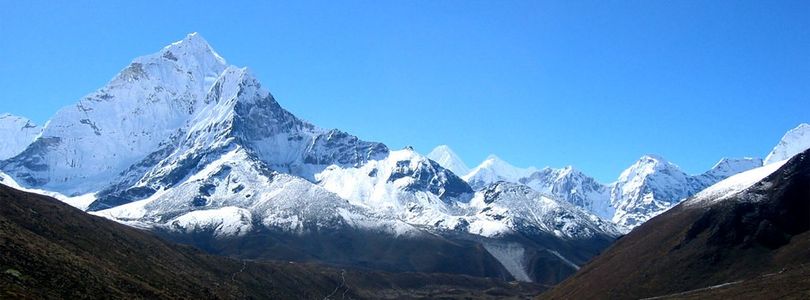
Everest Three Pass Trek is a dream trek of photographers and one of the most picturesque and rewarding treks in the Himalayas. Crossing Kongma La, Cho La and Renjo La, this high altitude adventure offers dramatic landscapes, towering peaks, turquoise lakes as well as authentic Sherpa villages. Every day on the trail offers new opportunities for photography, from the golden sunrise views to quiet, hidden corners rarely photographed by visitors.
This photography guide has been designed to help trekkers/photographers make the most of their journey through the Everest region highlighting the best viewpoints, perfect sunrise spots and lesser known angles along the Everest Three Pass Trek. With a professional camera on your hand or a smartphone, some planning and time will give you some of the most memorable shots.
The Everest Three Pass Trek Why It is the Best Trek to do in photography
The Everest Three Pass Trek promises to travel further and further and deeper into the less frequented areas of the Khumbu Valley, than the standard Everest Base Camp route. Such a variety of landscape makes it a particularly ideal location in landscape photography and travel photography.The trek is a mix of snow bound passes, glacial valleys, high altitude lakes, monasteries and daily life in Sherpa villages. Light conditions are dramatic throughout the day because of altitude and weather, resulting in good contrast and dynamic skies. This allows photographers to have endless possibilities to capture both sweeping Himalayan landscapes and small cultural details.
Best Views of Everest Three Pass Trek
High-Altitude Pass Viewpoints:
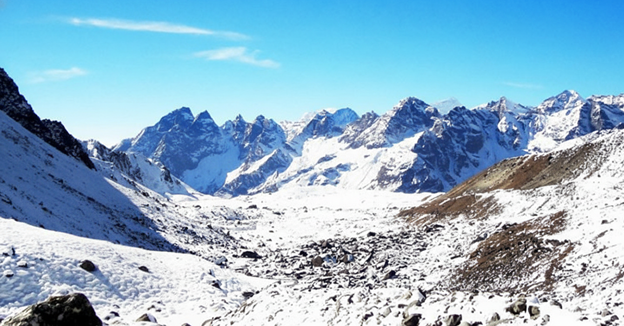
Kongma La Pass (5,535 m) with views of Makalu, Lhotse and AmaDablam
Cho La Pass (5,420 m) looking to Cho La Glacier and some of the peaks
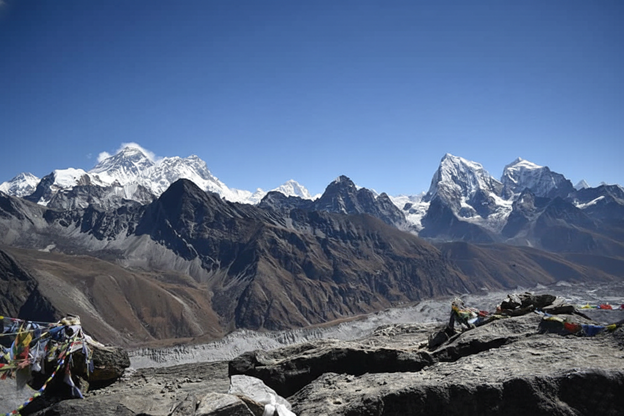
Renjo La Pass (5,360 m) with wide views of Everest, Lhotse and Gokyo Valley
Each pass gives a different view of the Himalayas. Kongma La is rugged and dramatic, Cho La is raw and icy and provides glacier views, and the Renjo La has the reputation of a balanced and postcard-perfect composition.
Classic Scenic Viewpoints:
Kala Patthar to capture close up shots of Mount Everest.
GokyoRi to have panoramic views of Everest, Cho Oyu and Gokyo Lakes.
Tengbocheridge cultural photography, mountain photography.
These viewpoints are popular for a reason. They offer wide-angle scenes that capture the size of the Himalayas but still leave space in the shot for the inclusion of prayer flags, monasteries, or trekkers.
Best Sunrise And Sunset Photography Places
Sunrise Locations:
Kala Patthar at dawn for golden light on Everest
GokyoRi Early morning for reflections on Gokyo Lakes
Renjo La summit for first light for dramatic shadows
Sunrise is often the best and most rewarding time for photography in the Everest region. Early morning skies are often clearer and soft light enhances the texture and color of mountain areas. It is important to start early, especially in the colder months.
Sunset Locations:
Dingboche ridges for alpenglow on AmaDablam
Thame village hills for peace, light valley
Gokyo village lakeside for reflective evening scenes
Sunsets provide warmer tones and softer contrasts, ideal for capturing peaceful village life and wide landscapes. Evening photography may also give time to experiment with silhouettes and reflections.
Secret Angles and Undiscovered Photography Spots
Off-the-Main-Trail Viewpoints:
Small hills over the village of Dzongla.
Ridge paths in and around Thame and Lungden.
Silent places of the Ngozumpa Glacier.
These are the least-visited places that tend to have no crowds and with unique angles. Going a little further (safely and respectfully) may result in new compositions and more personal pictures.
Cultural and Detail Shots:
Mani walls and prayer wheels at village paths.
Monks and the daily life in monasteries.
Stone houses, yak herders and prayer flags in wind.
Attention to detail is a help in telling the story of the trek beyond landscapes. Close up shots of textures, faces, and cultural elements add depth to a collection of photography.
Best Seasons and Lighting Conditions for Photography
Spring and autumn are the ideal seasons for photography for Everest Three Pass Trek. Spring brings out blooming rhododendrons at lower altitudes and clear mornings while autumn brings crisp air and distances.
Light conditions are rapidly changing at high altitude. Early mornings and late afternoons are the best time for natural light, and midday light can be harsh. The afternoon time is when clouds roll in and the skies are dramatic, but peaks can be hidden by them. The secrets of acquiring the best shots are patience and flexibility.
Camera Gear and Equipment Tips
Recommended Photography Equipment:
Large angle lens in the landscape and in the passes.
Zoom lens of mountains and wild animals that are far away.
Light tripod (when shooting in the sunrise and at night)
Additional batteries, memory cards.
Batteries drain quickly when exposed to cold and hence spares should be kept warm. It is recommended that a light setup is used since the trek is physically demanding.Cold temperatures deplete batteries rapidly, so it is important to keep spares warm. A light setup is advised as the trek is physically taxing.Carrying a small camera bag or harness can help you get to your gear more easily without slowing down your trek. Lens cleaning cloths and protective covers are also an essential because dust, snow and moisture can affect your equipment.
Using a polarizing filter can help to enhance the colors of the sky and the mountains and reduce glare from snow. It is a good idea to carry a waterproof or weather resistant camera bag to protect your gear during a sudden rain or snow. Planning your shots in the early morning or late afternoon can capture the best light and dramatic shadows over the peaks.
Smartphone Photography on the Three Pass Trek
Modern smartphones can take excellent Everest from three pass trek images. Using panorama mode, manual exposure, and cleaning the lens often will make a big difference. Shooting early in the morning or late in the afternoon increases the quality of the image. Including foreground elements in the image, such as prayer flags or trails, helps to add depth to smartphone photos.
To enhance the image, it is better to shoot in the morning or in the afternoon. The use of foreground objects in the picture like the prayer flags or trails can be used to provide depth to smartphone pictures.
People, Portraits and Ethical Photography
Photographs of local people are one of the most meaningful parts of the trek. Always ask permission before taking close up portraits, especially in villages and monasteries. A smile and respectful gesture goes a long way.
Avoid intrusive photography while attending a religious ceremony, and never disturb daily life for the sake of a photograph. Ethical photography contributes to sustaining trust and cultural respect. To enhance the image, it is better to shoot in the morning or in the afternoon. The use of foreground objects in the picture like the prayer flags or trails can be used to provide depth to smartphone pictures.
During a religious ceremony, intrusive photography should be avoided and no one should ever disrupt normal life in the name of a photograph. Privacy and respect to the people and their culture helps in making sure that what you have in your photographs is what the region is all about. Responsible posting of photographs on social media can also be used to ensure that there is awareness and appreciation of local traditions.
Drone Photography Regulations in the Everest Region
Significant Drone Regulations:
Special permits required from CAAN and local authorities
Drones cause restrictions near airports, monasteries
Flights Not Allowed in Sagarmatha National Park without Permission
Due to strict rules and environmental concerns, drone photography is generally frowned upon in the Everest region. Most trekkers use handheld cameras instead. The unauthorized use of flying drones may lead to penalties or seizure of equipment.
Local governments are more concerned with safety and safety of wildlife, cultural relics, and other trekkers. In case of the legalization of the drone use, it is critical to be responsible in flying, not to disrupt the wildlife, and not to violate the privacy of communities in the vicinity. Alternatively, one can use a GoPro or an action camera on trekking poles or sticks that will provide aerial-like shots that are both safe and legal.
Photography Challenges of the Three Pass Trek
High altitude, cold weather and physical exhaustion can make photography a challenge. Weather is fast-changing and long days trekking may not permit much time for shooting.
Protecting equipment from dust, snow and moisture is a must.Having cameras on hand is a way to get quick shots when the conditions suddenly improve. Planning rest days to come close to the scenic points helps to create a balance between trekking and photography.
Tips on Taking Memorable Pictures
Patience is one of the most important skills of photography in the Himalayas. Better images are often the result of waiting in clouds or light to soften. People or trails in wide shots are good idea to make the feeling of scale and telling a story.
Experimenting with angles, framing peaks through prayer flags, or using reflections in water can help to turn mundane views into unique photographs.
Final Thoughts
Everest Three Pass Trek is not only a challenging adventure but also a scenic experience as one traverses some of the most stunning scenery in the world. Great mountain scenes and serene village scenes, the hike is an endless and photographic inspiration.
Through meticulous design, the perception of the local culture, and consideration of light and conditions, photographers can come home with an effective collection of photographs which can reflect the essence of the Himalayas.Whether you are a professional photographer or a keen traveller, Everest Three Pass Trek promises to create unforgettable moments through the lens.
Written By:
Aurang Zeb

Hotels at your convenience
Now choose your stay according to your preference. From finding a place for your dream destination or a mere weekend getaway to business accommodations or brief stay, we have got you covered. Explore hotels as per your mood.