Exploring Himalayan Village Life on the Har Ki Dun Trek
 Ashish Rawat
26 Aug, 2025
9 mins read
83
Ashish Rawat
26 Aug, 2025
9 mins read
83
The Har Ki Dun trek in Uttarakhand is often remembered for its green valleys, clear rivers, and snow-covered peaks. But beyond the natural beauty, this trail also offers a chance to step into the heart of Himalayan culture. The trek passes through remote villages where traditions, farming, and lifestyle remain deeply connected to the mountains.
For many trekkers, the most lasting memory of Har Ki Dun is not just the views but the warmth of village life. Walking through wooden homes, terraced fields, and age-old temples feels like entering a world where time moves slowly, and life is guided by nature’s rhythm.
Traditional Wooden Architecture
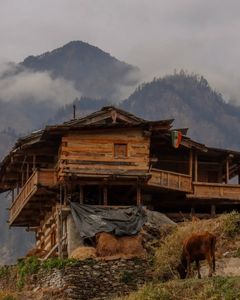
The villages on the Har Ki Dun trek are known for their unique wooden houses. These homes are built with a mix of stone and wood to withstand heavy snowfall in winter. The thick walls keep the interiors warm, while the sloping roofs allow snow and rain to slide off easily.
Many houses also have wooden balconies and carved door frames, reflecting the craftsmanship passed down through generations. The carvings often show local symbols and patterns, which carry cultural and religious meaning. For trekkers, walking through these villages is like seeing a living example of Himalayan architecture that has survived for centuries.
The Har Ki Dun trek makes this cultural experience even more special by blending heritage with natural beauty.
Farming and Self-Sustained Living
Agriculture is the main occupation in the villages of Har Ki Dun valley. The people here practice terrace farming, where steps are carved on mountain slopes to grow crops. Wheat, barley, and seasonal vegetables are the most common produce, while potatoes are grown in large quantities as they adapt well to the cold climate.
Cattle, sheep, and goats are also part of everyday life. Villagers take them to graze in the meadows during the day and bring them back in the evening. Milk, wool, and meat form an important part of their livelihood. The system is self-sustained, where people grow their own food and depend very little on outside markets.
For trekkers, watching these farming practices is an eye-opener, as it shows how people survive and thrive in remote mountain conditions with limited resources.
Festivals and Local Traditions
Har Ki Dun is also called the Valley of Gods, and this name comes from the strong spiritual beliefs of the people. Villagers celebrate festivals with music, dance, and rituals that are deeply tied to local legends.
One of the most important traditions is the worship of Duryodhana, a character from the Mahabharata. In some villages, people believe Duryodhana is still a local deity who protects the valley. This unique belief adds to the cultural depth of the trek.
During festivals, villagers gather in temples and open courtyards, wearing traditional clothes and performing folk dances. Music played on drums and flutes fills the air, while stories of gods and ancestors are retold. For trekkers who get a chance to witness these moments, it becomes a cultural highlight of the journey.
Villages You Will Pass Through
The Har Ki Dun trek passes through several villages that showcase different aspects of mountain life.
- Sankri: The base village for the trek, known for its small shops and wooden guesthouses. It is the starting point where trekkers first experience local hospitality.
- Osla: One of the most famous villages on the trail, Osla is known for its traditional houses and a temple dedicated to Duryodhana. The wooden carvings of the temple are a must-see for visitors.
- Seema: Located close to Osla, Seema is often used as a camping spot by trekkers. It offers views of terraced fields and grazing cattle.
- Gangad: A peaceful hamlet surrounded by forests, Gangad is another village where trekkers can interact with locals and learn about their lifestyle.
Each village has its own character, but all of them share the same warmth and simplicity of mountain life.
Warmth of Himalayan Hospitality
Perhaps the most unforgettable part of exploring village life on the Har Ki Dun trek is the hospitality of the people. Despite living in remote areas with limited facilities, villagers are welcoming and kind.
Trekkers are often offered tea or local food when passing through. Conversations with villagers reveal stories about the valley, local legends, and even the challenges of living in such harsh terrain. This human connection adds a layer of meaning to the trek that no mountain view can replace.
Many trekkers describe their interactions with locals as the highlight of their journey, as it makes them feel part of the community, even if only for a short while.
The Role of Nature in Daily Life
In the villages of Har Ki Dun valley, life moves according to the seasons. During spring and summer, farming and grazing are at their peak. Monsoon brings heavy rain, and people focus on maintaining their fields. Winters are harsh, with snow covering the valley, so families spend more time indoors, storing food and keeping warm.
Everyday life here shows how closely humans depend on nature. Villagers use local wood for building houses, herbs for medicine, and rivers for irrigation. This balance between human activity and natural resources makes their lifestyle sustainable.
Lessons for Trekkers
Experiencing Himalayan village life on the Har Ki Dun trek is not just about observing—it is also about learning. Trekkers often return with valuable lessons about simplicity, sustainability, and community living.
The people of these villages show how happiness can come from small things, how respect for nature keeps life balanced, and how traditions give strength to communities. For those used to city life, this journey becomes a reminder of values that are often forgotten.
Conclusion
The Har Ki Dun trek is more than just a trail through mountains and rivers. It is a cultural journey into the heart of Himalayan villages. From wooden houses and terraced farms to festivals, temples, and hospitality, every aspect of village life adds depth to the trek.
For trekkers, exploring these villages is like discovering a hidden world where nature and tradition still guide daily living. The Har Ki Dun trek not only rewards with scenic beauty but also with lessons of simplicity, community, and respect for the environment.
In the end, it is the smiles of villagers, the taste of local food, and the warmth of mountain hospitality that stay in memory long after the trek is over.
Written By:
Ashish Rawat

Hotels at your convenience
Now choose your stay according to your preference. From finding a place for your dream destination or a mere weekend getaway to business accommodations or brief stay, we have got you covered. Explore hotels as per your mood.