Exploring the Rich Culture and History of Arabian Countries
 Rashika Singh
13 Aug, 2025
8 mins read
74
Rashika Singh
13 Aug, 2025
8 mins read
74
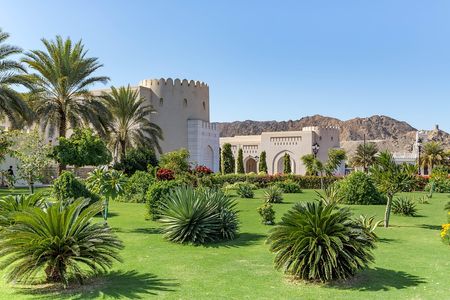
Arabian countries are a treasure trove of cultural heritage, historical wonders, and timeless traditions. From ancient trade routes to majestic architecture, these lands have been shaped by centuries of influence from diverse civilizations. Whether you’re planning a cultural journey to experience traditional markets, desert landscapes, and historical sites, or arranging your travel documents such as an Oman Visa for Pakistan Citizens, visiting this region is a chance to step into a world where history and modernity coexist in fascinating harmony.
The Tapestry of Arabian Culture
Arabian culture is deeply rooted in traditions passed down through generations, yet it continues to evolve with contemporary influences. Visitors can immerse themselves in vibrant festivals, poetry recitals, music performances, and age-old crafts. Local attire, cuisine, and architectural styles vary from one country to another, reflecting the unique identity of each region while still maintaining shared cultural values.
Historical Significance of the Region
Arabian countries have been pivotal in the growth of trade, religion, and knowledge throughout history. Ancient cities served as key points along the Silk Road and maritime trade routes, connecting the East to the West. Monuments, forts, and archaeological sites stand as testaments to this rich past, inviting travelers to explore and learn about the legacies left behind by past civilizations. Whether it’s exploring bustling souks or walking through ruins, the region offers countless opportunities for cultural discovery.
Planning Your Trip to Arabian Lands
Traveling through the Arabian region requires thoughtful preparation to make the most of your journey. Understanding visa requirements is essential, especially when securing an Oman visa for entry into specific countries. Planning ahead also allows you to align your visit with local events, seasonal weather, and cultural festivals, ensuring a richer experience. Travelers who prepare well often find themselves able to dive deeper into the culture and history without being limited by logistical challenges.
Architectural Marvels and Urban Landscapes
One of the most striking features of Arabian countries is their architecture. From the intricately designed mosques and palaces to the towering skyscrapers of modern cities, the contrast between the old and the new is mesmerizing. Many historic buildings are adorned with detailed carvings, calligraphy, and mosaic work, reflecting the artistry and craftsmanship of earlier eras. Meanwhile, contemporary architecture often incorporates traditional elements, blending cultural heritage with modern innovation.
Traditional Cuisine and Culinary Heritage
Arabian cuisine is a delightful mix of flavors, aromas, and textures. Influenced by centuries of trade, the food here incorporates spices, herbs, and cooking techniques from different parts of the world. Meals often feature fresh bread, grilled meats, aromatic rice dishes, and an array of flavorful dips and salads. Visiting local eateries and markets provides insight into the daily life and hospitality traditions of the people.
Music, Dance, and Oral Traditions
Music and dance hold a special place in Arabian culture, often linked to storytelling and communal gatherings. Traditional instruments such as the oud and the darbuka produce distinctive melodies and rhythms that have been cherished for generations. Dance forms vary from region to region, sometimes serving as expressions of joy during celebrations or as part of formal performances. Oral traditions, including poetry and folklore, remain integral in preserving cultural identity.
The Desert as a Cultural Symbol
The desert has shaped the lives and traditions of Arabian communities for centuries. Its vast landscapes, from golden dunes to rocky plateaus, are not just natural wonders but also cultural symbols. Bedouin traditions, camel caravans, and desert festivals reflect a way of life deeply connected to the land. Visitors can experience desert safaris, camp under the stars, and listen to stories passed down from nomadic ancestors.
Museums and Cultural Centers
Museums across Arabian countries offer a curated look into their history, art, and traditions. They preserve priceless artifacts, manuscripts, and artworks that tell the story of the region’s past. Cultural centers also host workshops, exhibitions, and performances, allowing visitors to engage directly with local artists and historians. These spaces serve as bridges between the past and the present, ensuring that heritage continues to inspire future generations.
Religious Heritage and Spiritual Sites
Religion plays a central role in shaping the cultural fabric of Arabian societies. Historic mosques, pilgrimage sites, and religious festivals offer profound insights into the spiritual life of the region. Many of these sites are architectural masterpieces as well as places of worship, attracting both devotees and history enthusiasts. Understanding the religious traditions of the area enhances the depth of a traveler’s experience.
Final Thoughts
Exploring the culture and history of Arabian countries is a journey into a world of beauty, tradition, and resilience. Every city, village, and desert plain tells a story that intertwines the past with the present. Whether you are drawn to the region’s ancient ruins, vibrant markets, or rich artistic traditions, your travels will leave you with memories and insights that last a lifetime. By approaching the journey with respect and curiosity, you not only witness history—you become part of its ongoing story.
Written By:
Rashika Singh

Hotels at your convenience
Now choose your stay according to your preference. From finding a place for your dream destination or a mere weekend getaway to business accommodations or brief stay, we have got you covered. Explore hotels as per your mood.