From Myth to Mountain: Uttarakhand’s Historical Treks You Can Still Hike
 Ashish Rawat
13 Aug, 2025
11 mins read
78
Ashish Rawat
13 Aug, 2025
11 mins read
78
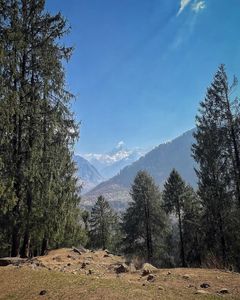
Uttarakhand, often called Devbhoomi or the “Land of the Gods,†is home to some of the most legendary trails in the Indian Himalayas. Here, trekking is more than just a physical journey it’s a walk through history, mythology, and ancient traditions that still shape the lives of local communities. For thousands of years, these paths have been trodden by pilgrims, monks, traders, shepherds, and adventurers. Some routes were once bustling trade corridors connecting India with Tibet, while others were sacred paths leading to remote shrines hidden deep in the mountains.
In these high-altitude landscapes, mythology and reality blend seamlessly. The same ridges where you now see trekking groups once echoed with the chants of sadhus, the bells of mule caravans, and the footsteps of villagers making seasonal migrations. Every bend in the trail has a story, every meadow has witnessed generations of devotion, and every summit has been revered as a seat of divine power.
Below are some of the most remarkable historical treks in Uttarakhand routes where you can still walk in the footsteps of those who came centuries before you.
1. Adi Kailash and Om Parvat Yatra
The journey to Adi Kailash, known as “Chhota Kailash,†is among the most spiritually significant in the Kumaon Himalayas. Rising at 19,500 feet, Adi Kailash is considered a terrestrial replica of Mount Kailash in Tibet. The trail winds through remote villages like Gunji, Kuti, and Nabhi, where time seems to have slowed. The nearby Om Parvat, with its naturally occurring snow pattern forming the sacred “à¥â€ symbol, is considered a miracle of nature and a sign of divine presence.
Historical Background:
For centuries, this region formed a vital link in the Indo-Tibetan trade network. Caravans carrying salt, borax, wool, and grains traveled across these high passes, connecting the Indian plains with the Tibetan plateau. The villages on the route acted as seasonal resting points, and barter was the main form of exchange. Beyond trade, the area has deep religious importance. Hindu scriptures and local folklore hold that Lord Shiva and Parvati reside here, making it a pilgrimage route long before modern trekking began. Even today, you may see pilgrims carrying small tridents, offering prayers at ancient stone shrines, much like their ancestors did hundreds of years ago.
2. Kuari Pass Trek
Kuari Pass, famously known as the “Curzon Trail,†lies at 12,516 feet in the Garhwal Himalayas. The route passes through rhododendron forests, ancient oak groves, and wide alpine meadows, eventually opening into a high pass with panoramic Himalayan views.
Historical Background:
Long before Lord Curzon popularized the route in 1905, Kuari Pass was a crucial link between Garhwal and Tibet. Traders and herders used it to transport wool, salt, and grains between high Himalayan valleys and the lower foothills. Oral traditions suggest that the route was also taken by pilgrims traveling to high-altitude shrines in the Nanda Devi region. During the British colonial era, survey teams and explorers used the pass to map uncharted territories, leaving behind a blend of local and colonial history that still echoes in place names and stories along the trail.

3. Satopanth Tal Trek
Satopanth Tal is a triangular glacial lake at an altitude of 15,100 feet, whose name translates to “Path of Truth.†It lies in a stark, almost otherworldly landscape of glacial moraine and towering peaks. The crystal-clear waters are said to be visited by the Hindu trinity — Brahma, Vishnu, and Mahesh — on auspicious days. The trek begins from Badrinath, a town steeped in its own sacred history, and follows a trail that feels suspended between earth and sky.
Historical Background:
The route to Satopanth Tal is deeply tied to the Mahabharata. According to legend, it was along this path that the Pandavas made their final journey towards heaven, a spiritual quest known as Mahaprasthan. Bhima is said to have fallen at Bhim Pul, a natural stone bridge near Mana village, while Yudhishthira, accompanied by a loyal dog (believed to be Dharma in disguise), continued towards Swargarohini. The trail has long been used by wandering ascetics and local villagers for seasonal pilgrimages, and until a few decades ago, it was considered a path only for the most devout and determined.
4. Rudranath Trek
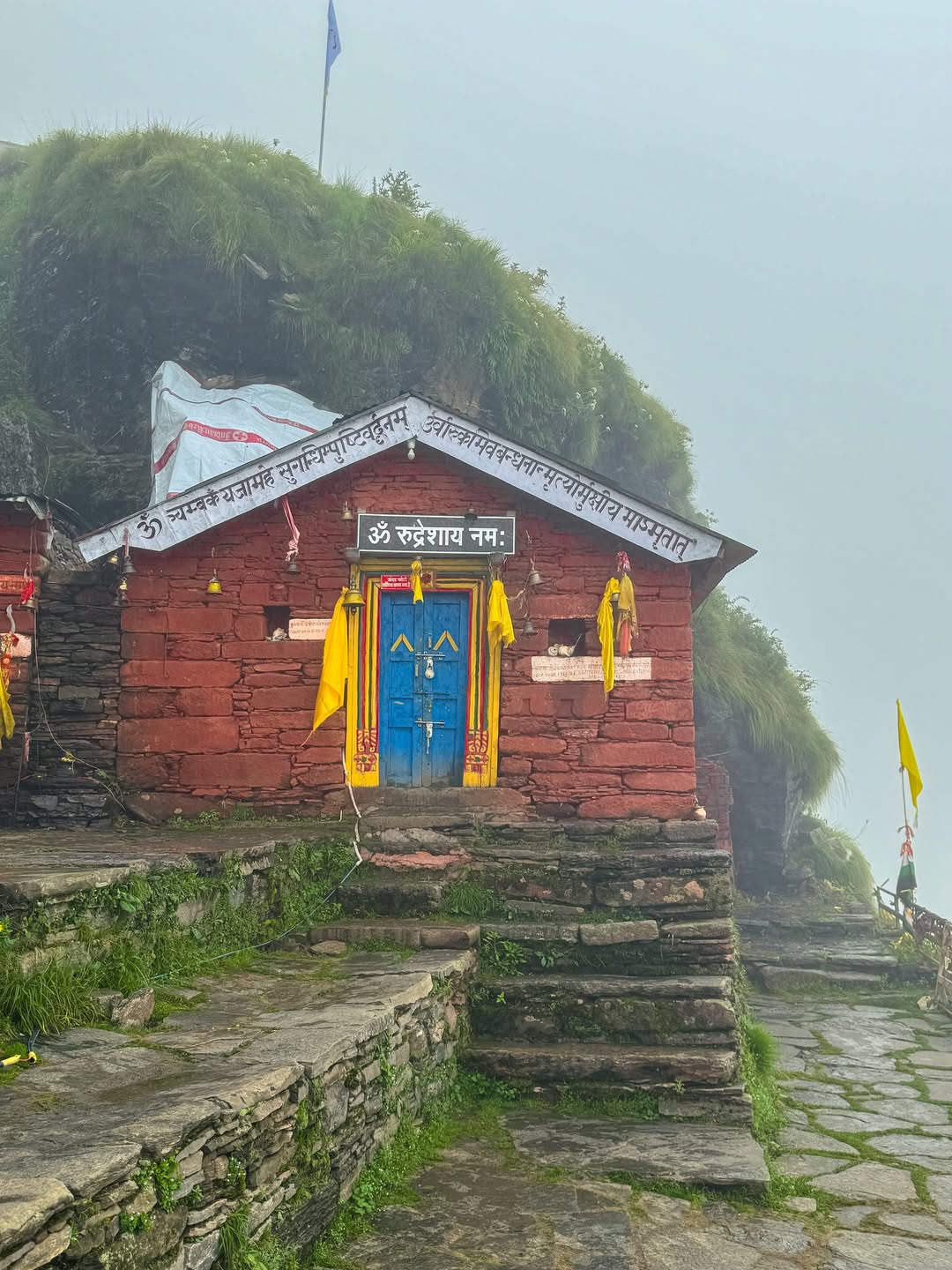
Deep in the Garhwal Himalayas lies Rudranath, one of the Panch Kedar temples dedicated to Lord Shiva. Here, Shiva is worshipped in the form of a face (mukh) emerging naturally from the ground inside the sanctum. Surrounded by alpine meadows and ancient forests, the temple feels untouched by time. The trail passes through hamlets where traditional wooden houses and centuries-old customs still thrive.
Historical Background:
According to mythology, after the Kurukshetra war, the Pandavas sought Lord Shiva’s forgiveness for the sins of bloodshed. Shiva, avoiding them, took the form of a bull and disappeared into the ground at different locations, each becoming a Panch Kedar shrine. Rudranath is said to mark the spot where his face emerged. For centuries, villagers from nearby regions have carried sacred offerings to this temple during an annual pilgrimage that follows the same trails their ancestors walked. The trek also formed part of old shepherd routes, as the surrounding bugyals were and still are summer grazing grounds for livestock.
5. Kagbhusandi Lake Trek
At over 16,000 feet, Kagbhusandi Lake is a hidden jewel of the Garhwal Himalayas, with emerald-green waters framed by jagged cliffs. The lake is named after the mythical crow “Kaga†from Hindu epics, and its setting exudes solitude and mystique.
Historical Background:
According to ancient tales, a sage cursed a disrespectful crow, turning it into a stone a form believed to still stand near the lake. The surrounding peaks and meadows were historically used by wandering ascetics for deep meditation, far from human settlements. This was never a major trade route; instead, it was a path of isolation, chosen deliberately by those seeking spiritual transformation. Oral histories in nearby villages speak of offerings made to the lake to ensure safe journeys and good harvests, a tradition kept alive in small local ceremonies even today.
6. Kartik Swami Temple Trek
Perched on a narrow ridge at 3,050 meters, the Kartik Swami Temple offers sweeping 360-degree views of the Garhwal Himalayas. Dedicated to Lord Kartikeya, son of Shiva, it is an easy yet spiritually rich trek through pine and oak forests.
Historical Background:
Mythology says that both Kartikeya and Ganesha were once challenged by Shiva to circle the world, with the winner receiving supreme wisdom. While Kartikeya set off on his peacock, Ganesha simply circled his parents, declaring them to be his world, thus winning the contest. As a mark of devotion, Kartikeya offered his bones to Shiva, symbolized by the bone-shaped idol in the temple. The path to Kartik Swami has been a route for village fairs, religious gatherings, and processions for generations, keeping it alive as both a cultural and spiritual artery.
Best Time to Experience These Historical Treks
- Spring (March–May): Blooms of rhododendron and clear, mild weather.
- Summer (June): Snow-free high passes and accessible trails.
- Autumn (September–November): Crisp air, golden meadows, and excellent visibility.
- Winter (December–February): Limited to lower-altitude treks due to snow.
Essential Gear for Historical Treks in Uttarakhand
- Trekking Shoes: High-ankle and water-resistant for rugged terrain.
- Layered Clothing: To adapt to changing mountain temperatures.
- Walking Stick: Useful on steep or slippery paths.
- Backpack (40–50 L): Lightweight yet spacious.
- Rain Gear: Especially crucial in monsoon months.
- Personal Essentials: Sunscreen, sunglasses, and a reusable water bottle.
Written By:
Ashish Rawat

Hotels at your convenience
Now choose your stay according to your preference. From finding a place for your dream destination or a mere weekend getaway to business accommodations or brief stay, we have got you covered. Explore hotels as per your mood.