From Rails to Trails: The Adventure of Trekking to Dudhsagar Waterfall
 Palakshi Meharwal
01 Nov, 2025
11 mins read
276
Palakshi Meharwal
01 Nov, 2025
11 mins read
276
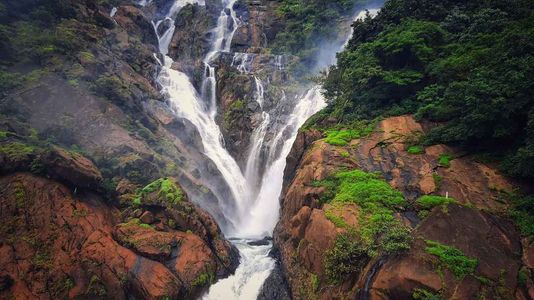
Few experiences in India blend thrill, beauty, and nostalgia quite like the Dudhsagar Waterfall trek. Picture this — you’re walking along a mist-covered railway track surrounded by the lush Western Ghats, the distant sound of rushing water growing louder with every step. And then it appears — a four-tiered cascade tumbling down like a stream of milk, true to its name, Dudhsagar, which means “Sea of Milk.†This journey isn’t just a trek; it’s a story written in rain, mist, and adventure.
The Allure of Dudhsagar: A Natural Wonder on the Goan Border
Perched gracefully on the Goa–Karnataka border within the Bhagwan Mahavir Wildlife Sanctuary, Dudhsagar Falls stands tall at over 310 meters, making it one of India’s highest waterfalls. The best part? It’s not tucked away in some remote mountain village — it’s right along a railway track, part of the scenic Madgaon–Londa line.
During monsoon, the falls roar to life, transforming the Mandovi River into a white torrent that crashes down through emerald-green forests. It’s a sight that pulls travelers, trekkers, and photographers from all corners of the country. Whether you’re an adventure junkie chasing adrenaline or a nature lover seeking peace, Dudhsagar delivers both in one unforgettable experience.
Reaching the Sea of Milk: How to Get There
Getting to Dudhsagar Waterfall can feel like part of the adventure itself — because it is! There are two main approaches, depending on your fitness level and sense of adventure.
If you’re coming by train, the most iconic route begins at Kulem (in Goa) or Castle Rock (in Karnataka). From either of these points, you can trek along the railway track — an experience that’s both nostalgic and thrilling. The Kulem route is around 11 km one way, while Castle Rock stretches closer to 14 km, offering sweeping views of valleys, tunnels, and the Western Ghats’ wilderness.
For those who prefer a slightly shorter path, you can hire a jeep safari from Kulem, operated by the local forest department. These jeeps rumble through forest trails, river crossings, and muddy paths, dropping you close to the base of the falls. It’s less demanding but no less adventurous.
Nearest railway stations:
- Kulem Station (Goa) – the most convenient option for trekkers
- Castle Rock Station (Karnataka) – scenic and popular among experienced trekkers
- Madgaon – for those connecting from other Goan cities
When the Forest Comes Alive: Best Time to Visit
Timing is everything when it comes to Dudhsagar Falls. The best time to witness its grandeur is right after the monsoon, between August and December, when the waterfall is at its most powerful yet accessible.
During peak monsoon (June–July), the region is lush but trekking can be risky due to slippery tracks and overflowing streams. However, for those who crave raw adventure, this is when Dudhsagar is its wildest.
If you’re planning a more comfortable visit, October to February offers pleasant weather, crystal-clear skies, and safer trails. Avoid the scorching summer months (March–May), when the waterfall thins and the forest loses some of its vibrancy.
The Trek Experience: Walking the Rails to the Roar
Imagine starting your journey at dawn, the first light slicing through the misty forests. The rhythmic clatter of distant trains, the scent of wet earth, and the occasional call of a Malabar hornbill accompany your steps. As you walk along the railway line, you pass through tunnels dark as midnight, stone bridges, and dense jungles alive with the sounds of cicadas.
After several kilometers, a low rumble begins to rise — faint at first, then unmistakable. As you turn the final bend, the falls appear in all their majesty, cascading down the cliff in frothy torrents that fill the air with mist. The view from the railway bridge above the base is the most iconic — a perfect spot to capture that postcard-worthy shot of the falls framed by the train tracks.
There’s a sense of awe that silences everyone who stands there. Some sit quietly, watching the mist dance in the sunlight; others strip off their trekking boots to dip their feet into the cool water. It’s more than just a destination — it’s a feeling that lingers long after you’ve left.
Nearby Attractions Worth Exploring
Dudhsagar might be the main star, but the region around it is equally rewarding. If you have a day or two to spare, explore some of these nearby attractions:
- Tambdi Surla Temple: A 12th-century Shiva temple hidden deep in the forest, a masterpiece of Kadamba architecture.
- Mollem National Park: Home to exotic wildlife like leopards, deer, and hornbills, this sanctuary is a paradise for nature lovers.
- Devil’s Canyon: A mysterious gorge known for its swirling waters and intriguing local legends.
- Collem Village: The starting point for many treks, where you can experience Goan village life and try local cuisine.
These add-ons turn a day trek into a full-fledged getaway that combines culture, nature, and adventure.
Practical Tips, Safety, and Budgeting
Trekking to Dudhsagar is moderately challenging, but with the right preparation, anyone with decent fitness can do it. Here’s what you should keep in mind:
- Permits & Entry: Entry to Dudhsagar Falls is managed by the forest department. If you’re trekking through the sanctuary, you’ll need a permit, available at Kulem.
- Safety First: Avoid walking on the tracks when trains are approaching. Stick close to the sides and stay alert inside tunnels.
- What to Carry: Comfortable trekking shoes, rain gear, a flashlight, and plenty of water. Pack light but smart.
- Guides & Groups: Traveling with an authorized trekking group ensures safety and smoother coordination, especially during monsoon.
Suggested Itinerary: A Two-Day Escape
Day 1: Arrive in Kulem by morning, begin your trek by 8 a.m., and reach Dudhsagar by noon. Spend time at the base, enjoy lunch, and return by evening or camp overnight at a nearby homestay.
Day 2: Visit Tambdi Surla Temple and Mollem National Park before heading back to Goa or Karnataka.
It’s a short trip, but one that leaves a long-lasting memory — a perfect weekend escape from the chaos of the city.
The Final Word: Where Every Step Feels Like a Story
The Dudhsagar Waterfall trek is more than an adventure; it’s a journey through time and terrain. From railway tracks echoing with history to jungle trails dripping with dew, every moment feels like stepping into a living postcard.
Whether you choose to trek, take a jeep, or simply sit by the base watching the water thunder down, Dudhsagar’s magic lies in its raw, untamed beauty. So lace up your boots, pack your spirit of adventure, and follow the rails to where the wild meets the wonderful.
Written By:
Palakshi Meharwal

Hotels at your convenience
Now choose your stay according to your preference. From finding a place for your dream destination or a mere weekend getaway to business accommodations or brief stay, we have got you covered. Explore hotels as per your mood.