From Tracks to Trails: The Ultimate Dudhsagar Trekking Experience
 Palakshi Meharwal
13 Aug, 2025
9 mins read
81
Palakshi Meharwal
13 Aug, 2025
9 mins read
81
A Journey Begins: What Makes Dudhsagar Special
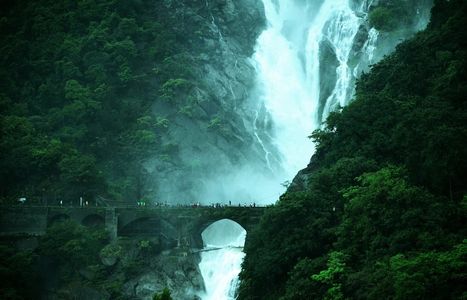
Nestled along the border of Goa and Karnataka, Dudhsagar Falls—the “Sea of Milkâ€â€”is one of India’s tallest waterfalls, plunging about 310 meters (1,020 feet) through four majestic tiers. This natural marvel captivates visitors not only for its height but also for its silvery mist and seasonal vitality. The site is particularly popular in the monsoon and post-monsoon months, when water flow swells and the surroundings turn lush and emerald-green.
But Dudhsagar isn’t simply a waterfall—it represents a compelling trek that transitions from old railway tracks into dense forest trails. This route blends history, adventure, and scenery into a single unforgettable experience.
The Route: From Abandoned Tracks to Forest Paths
The Railway Track Segment
The most iconic part of the trek begins on disused railway tracks. These old tracks, once part of the South Western Railway network, trace a path through tunnels and over bridges. Walking along the steel rails, visitors often spot metallic relics and crumbling sleepers—physical echoes of the colonial-era rail corridor. The clickety-clack of your footsteps against the sleepers feels like a time machine.
This segment spans approximately 10 to 12 kilometers one way, depending on where you begin. Whether you start from Castle Rock, Kulem, or another access point, prepare for a slow, deliberate pace. The track terrain is flat but potentially slippery, especially after rain, so sturdy footwear is a must.
Into the Jungle: Trails Beyond the Tracks
Eventually, the railway gives way to forested paths. Here, the experience shifts—lush greenery envelops you, colorful orchids and ferns may decorate the path, and the forest canopy filters in dappled light. Birds like the Malabar pied hornbill or the crimson sunbird might dart overhead, though patience is required to spot them.
Patches of mud and stones add a subtle challenge. These trails demand careful footing, especially near the riverbed. But they reward trekkers with the sound of rushing water ahead, a sweet prelude to the waterfall’s grandeur.
Seasons & Timing: When to Go and Why
Timing influences every aspect of the experience. In the early monsoon (June to July), the falls thunder to life, the air thick with mist—but rain can disrupt the tracks and make sections slippery. From August through October, the falls retain impressive volume as the trails become more manageable.
By November to February—the drier months—the trek is far safer and more comfortable, though the waterfall’s flow may wane slightly. Tread carefully around sharp rocks near the plunge pool, where hoof-like stones turn slick under moss.
Crowd-wise, weekends and Indian school holidays tend to draw longer queues. If you prefer solitude, early weekday mornings often deliver both serenity and sunlight—the combination truly elevates the sense of adventure.
Practical Tips for a Smooth Trek
- Permits: Entry to the Dudhsagar Wildlife Sanctuary requires passes issued by the state forest department. Crossing the railway tracks may also require temporary permissions from the railways. Always check official forestry or railway notices before setting out—they update frequently.
- Guides and Local Assistance: Hiring a local guide can enrich your trek. Guides know safe crossing spots, potential shortcuts, and the best vantage points for photographs—especially at the waterfall’s base.
- Essentials to Carry:
- Waterproof backpack with a rain cover.
- Sturdy trekking shoes with good grip.
- Reusable water bottle and high-energy snacks.
- A light rain-jacket or poncho—Goa weather can be unpredictable.
- First-aid basics: blister pads, antiseptic wipes, and a couple of pain-relief tablets.
- Safety First: The tracks are still technically within operational railway territory. Always stay alert to signs of approaching trains. Never attempt to cross or linger near the tracks if a train is in sight.
- Respect the Environment: This region includes sensitive forest habitat. Carry out all your trash—including biodegradable waste like fruit peels. Avoid loud music or disruptive behavior.
What Awaits You at the Waterfall
When you turn the final bend and hear the roar of Dudhsagar Falls, it feels like a reward forged through effort. At the waterfall’s base, the roar drowns out the world. The water sprays you, cooling and invigorating in equal measure. Some visitors slip into the shallows—surrounded by tumbling cascades, it’s a sensory blend of sound, mist, and the steady rhythm of water carving stone.
Experienced swimmers may venture a little deeper (only if safe), while others simply sit on damp rocks and let the mist cleanse their spirits. Photography buffs will find rich opportunity in capturing the interplay of light and water. In truth, there’s room for both quiet reflection and playful exploration.
Environmental & Cultural Reflections
Dudhsagar isn’t just scenic; it’s a focal point for broader environmental reflections. The waterfall feeds streams that supply local agriculture and wildlife. Many trekking groups volunteer for cleanup drives in the area—helping preserve its pristine character for future generations.
Culturally, local communities in this region—families whose livelihoods have long intertwined with the forests—often participate in tourism, guiding, and small-scale hospitality. As a visitor, tipping your guide, buying local snacks, or visiting nearby farms helps ensure your visit supports the local economy in meaningful ways.
Final Word
From abandoned tracks to cascading water, the Dudhsagar trek embodies adventure, nature, and quiet wonder. With thoughtful planning—keeping safety front and center, respecting the environment, and valuing local communities—it’s not just a hike, but a human story written along rails and riverbanks.
Written By:
Palakshi Meharwal

Hotels at your convenience
Now choose your stay according to your preference. From finding a place for your dream destination or a mere weekend getaway to business accommodations or brief stay, we have got you covered. Explore hotels as per your mood.