Going to Umrah: A Complete Guide for a Spiritual Journey
 Henry Lucs
17 Nov, 2025
9 mins read
93
Henry Lucs
17 Nov, 2025
9 mins read
93
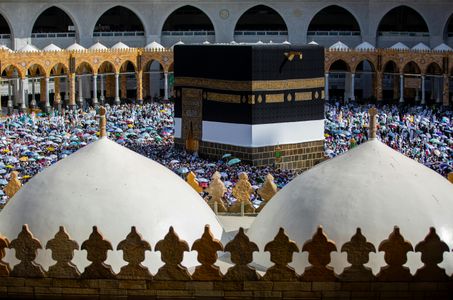
Undertaking Umrah is one of the most cherished experiences for Muslims around the world. Unlike Hajj, which occurs at specific times, Umrah can be performed at any time of the year, offering a flexible opportunity for believers to seek forgiveness, renew their faith, and strengthen their connection with Allah. Preparing for this sacred journey involves both spiritual and practical steps to ensure a smooth, fulfilling, and memorable pilgrimage.
For many pilgrims, understanding the steps, rituals, and etiquettes of going to umrah is essential. From preparing Ihram garments to learning the duas to recite during Tawaf and Sa’i, careful planning enhances the spiritual rewards. Travelers often focus on both the logistics of travel—such as visas, flights, and accommodations—and the inner preparation, ensuring their hearts are ready for sincere worship. By incorporating prayers and reflection into every stage of the journey, pilgrims can maximize the benefits of this sacred experience.
Understanding the Importance of Umrah
Umrah, often called the “lesser pilgrimage,” holds immense spiritual significance. Though not obligatory like Hajj, performing Umrah provides a chance to cleanse sins, seek forgiveness, and gain closeness to Allah. The pilgrimage allows Muslims to experience the holiness of Makkah and Madinah, visit Masjid al-Haram and the Kaaba, and reflect on the life and teachings of Prophet Muhammad (PBUH).
Undertaking Umrah also emphasizes patience, humility, and devotion. Pilgrims learn to detach from worldly distractions, focus on worship, and experience a deep sense of unity with fellow believers from across the globe.
Spiritual and Practical Preparation
Proper preparation is essential for a meaningful Umrah journey. On a practical level, pilgrims should arrange their visas, book flights, secure accommodations, and ensure they have all necessary items for a comfortable trip. Travel documents, health certificates, and currency exchange are crucial details that must be handled ahead of time.
Spiritually, preparation is equally important. Muslims intending to go on this journey should purify their intentions, settle disputes, and forgive others. Preparing by reading about rituals, memorizing essential duas, and mentally readying oneself for the challenges of travel can enhance the experience. During the rituals, especially Tawaf and Sa’i, making sincere supplications and remembering Allah amplifies the blessings of the pilgrimage. Proper planning ensures the focus remains on worship rather than logistical concerns.
Entering Ihram and Its Significance
Ihram marks the official beginning of Umrah. Men wear two unstitched white garments, while women dress modestly in simple attire. Entering this sacred state signifies dedication to Allah and a commitment to follow the rules of Ihram, which prohibit certain behaviors such as cutting hair, wearing perfume, or engaging in disputes. Pilgrims recite the Talbiyah—“Labbaik Allahumma labbaik”—as an expression of readiness to perform Umrah.
Ihram is both symbolic and practical. It fosters spiritual mindfulness and signals the pilgrim’s separation from worldly distractions. Understanding and observing Ihram rules ensures a respectful and focused pilgrimage experience.
Performing Tawaf Around the Kaaba
Upon reaching Masjid al-Haram, the first ritual is Tawaf, which involves circling the Kaaba seven times in a counterclockwise direction. Each round symbolizes devotion and submission to Allah. During Tawaf, pilgrims can recite prayers, read the Quran, and make personal supplications.
Tawaf is a deeply spiritual moment. The presence of thousands of pilgrims worshiping together amplifies the sense of community, while the physical act of walking around the Kaaba reminds believers of Allah’s central place in their lives.
Sa’i Between Safa and Marwah
After completing Tawaf, pilgrims perform Sa’i by walking seven times between the hills of Safa and Marwah. This ritual commemorates Hajar’s search for water for her infant son, Prophet Ismail (AS). Pilgrims reflect on her perseverance, faith, and reliance on Allah during Sa’i.
Sa’i also offers a time for personal prayers and reflection. It is an opportunity to make heartfelt supplications, express gratitude, and strengthen one’s spiritual connection with Allah.
Halq or Taqsir: Completing Umrah
The final step of Umrah is Halq (shaving the head for men) or Taqsir (trimming a portion of hair for men and women). This act signifies humility, renewal, and the completion of a sacred cycle. Once this ritual is complete, pilgrims exit the state of Ihram and resume normal life, carrying the spiritual benefits of their journey.
Completing Halq or Taqsir provides a sense of accomplishment and spiritual renewal. Pilgrims often leave Makkah with a renewed heart, a cleansed soul, and a deeper connection to Allah.
Tips for a Smooth Umrah Journey
- Stay hydrated and dress comfortably to manage the hot climate.
- Plan transportation between holy sites to save time and energy.
- Carry essential items like prayer mats, water bottles, and identification.
- Focus on worship, avoid distractions, and remain patient in crowded areas.
- Recite duas consistently to maintain spiritual connection.
- Bargain politely if purchasing souvenirs.
Patience, mindfulness, and preparation are key to a smooth and spiritually rewarding experience.
Conclusion
Going to Umrah is a life-changing spiritual journey that strengthens faith, renews the heart, and purifies the soul. By carefully preparing both practically and spiritually, pilgrims can focus on devotion, reflection, and worship. Performing Tawaf, Sa’i, and completing Halq or Taqsir with sincerity ensures a meaningful pilgrimage.
Written By:
Henry Lucs

Hotels at your convenience
Now choose your stay according to your preference. From finding a place for your dream destination or a mere weekend getaway to business accommodations or brief stay, we have got you covered. Explore hotels as per your mood.