Gokyo Valley Trek Difficulty Explained: A Journey Step by Step
 July Part
26 Mar, 2026
6 mins read
37
July Part
26 Mar, 2026
6 mins read
37
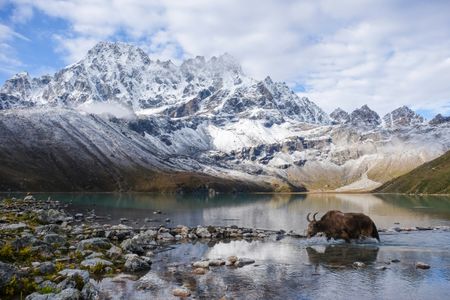
I still remember the moment we saw the first glimpse of the bright blue Gokyo Lakes. The air was crisp, the mountains felt close, and every step felt meaningful. The Trek to Gokyo Valley had been on our minds for a long time, and finally walking that trail felt both exciting and a little challenging. We moved slowly, shared quiet smiles, and let the mountains guide our pace. After completing the trek, I can say this clearly: the Gokyo Valley trek is moderate to challenging, but it is very doable if you walk smart and stay patient.
Distance, Duration, and Elevation
From the Amble Himalaya details, the Gokyo Valley trek usually takes around 11 days. The total walking distance is about 100 to 110 kilometers, depending on the route and side hikes. The trek starts at Lukla (2,860 meters) and climbs gradually through villages like Namche, Dole, and Machhermo. The highest point is Gokyo Ri at 5,357 meters (17,575 feet). This steady climb in altitude is what makes the trek challenging, as you gain height day by day.
Daily Walking: Slow and Steady Wins
Each day, we walked around 5 to 7 hours, sometimes more on longer days. The trails are mostly clear and well used, but they are not always easy. Some parts are steep, some are rocky, and near Gokyo you walk beside glacier areas like the Ngozumpa Glacier, which need careful steps. The key is to keep a steady rhythm rather than rush.
Altitude: The Biggest Challenge
Altitude is the main reason this trek feels tough. As we climbed above 3,000 meters, we noticed changes in our breathing and energy. At places like Namche Bazaar (3,440 meters) and Machhermo (4,470 meters), taking time to rest helped us adjust. By the time we reached Gokyo and climbed Gokyo Ri, the air was very thin and every step felt heavy. Altitude sickness can happen if you go too fast, so it is important to move slowly and stay hydrated.
Trail Conditions: Mixed but Beautiful
The trail changes a lot during the trek. In the lower areas, we walked through forests and green hills. As we went higher, the land became open, dry, and rocky. Near Gokyo, the scenery feels wild and powerful, with glacier views and wide valleys. Some paths are uneven, so careful walking is needed.
Weather: Calm but Unpredictable
Weather in the Everest region can change quickly. Mornings are usually clear, while afternoons may bring clouds or wind. At higher altitudes, it gets cold, especially at night. Near Gokyo, temperatures can drop below freezing. The best seasons are spring (March to May) and autumn (September to November) when the weather is more stable.
Mental Strength: The Quiet Strength
The Gokyo Valley trek also tests your mindset. There were moments when we felt tired, but we kept moving step by step. Small things like warm tea, friendly people, and mountain views kept us going. I like to call this the altitude whisper, where the mountains gently remind you to stay patient and calm.
Is It Suitable for Beginners?
The Gokyo Valley trek is considered moderate to challenging, but beginners can complete it with good preparation. You do not need technical climbing skills, but you do need stamina and a steady pace. Regular walking or hiking before the trek helps a lot.
Final Thoughts: A Quiet but Powerful Journey
The Gokyo Valley trek is not the easiest, but it is one of the most peaceful and scenic journeys in Nepal. It offers stunning lakes, high mountain views, and a quieter trail compared to busier routes. With patience and preparation, the difficulty becomes part of the experience, making the journey even more meaningful and unforgettable.
Written By:
July Part

Hotels at your convenience
Now choose your stay according to your preference. From finding a place for your dream destination or a mere weekend getaway to business accommodations or brief stay, we have got you covered. Explore hotels as per your mood.