Green Escape: Discover Nature’s Serenity at Kudremukh National Park
 Palakshi Meharwal
04 Aug, 2025
9 mins read
42
Palakshi Meharwal
04 Aug, 2025
9 mins read
42
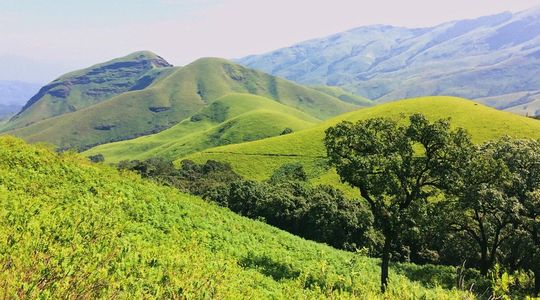
Tucked away in the heart of the Western Ghats, Kudremukh National Park offers an idyllic retreat for nature lovers, wildlife enthusiasts, and eco-travelers alike. Named after the distinctive “horse face†shape of one of its peaks (Kudremukh translates to "horse face" in Kannada), this national park in Karnataka is a sanctuary of undisturbed beauty, biodiversity, and tranquility. Whether you're a trekker, a birdwatcher, or someone simply seeking peace in the lap of nature, Kudremukh has something to offer.
A Biodiversity Hotspot in the Western Ghats
Kudremukh National Park spans over 600 square kilometers across the Chikkamagaluru district and is part of the larger Western Ghats UNESCO World Heritage Site. The park’s landscape is a breathtaking mosaic of shola forests, rolling meadows, and cascading waterfalls. With an elevation that ranges from 100 meters to 1,894 meters above sea level, it supports a wide array of flora and fauna that thrive in the tropical climate.
Unlike many commercialized national parks, Kudremukh remains relatively untouched, preserving its ecological richness. The region receives heavy rainfall—over 7,000 mm annually—which nourishes the lush greenery and supports numerous endemic species.
Rich Flora and Fauna
One of the primary reasons for the park’s protected status is its exceptional biological diversity. Kudremukh is home to over 190 species of birds, including the rare Malabar trogon, great Indian hornbill, and Nilgiri wood pigeon. For wildlife enthusiasts, the park offers the chance to spot elusive species like the lion-tailed macaque, gaur (Indian bison), sloth bear, and the tiger, although sightings are rare due to the dense vegetation.
The park’s vegetation includes evergreen and semi-evergreen forests, interspersed with grasslands and medicinal plants. Several tree species, such as Calophyllum tomentosum and Hopea parviflora, are endemic to this region and play a critical role in maintaining the park’s ecological balance.
Trekking Trails and Scenic Spots
Kudremukh is a dream destination for trekkers. The Kudremukh Peak Trek is undoubtedly the highlight, drawing adventure seekers from across the country. The trail winds through emerald green grasslands, thick forests, and crystal-clear streams before culminating at the peak, which stands at 1,894 meters. The panoramic view from the summit, especially during the monsoon season, is nothing short of magical.
Other popular trails include Kurinjala Peak, Gangamoola, and Kadambi Falls, each offering distinct experiences. Gangamoola, also known as the origin point of three major rivers—the Tunga, Bhadra, and Netravati—is not only a geographical marvel but also a revered spot for locals and pilgrims.
To preserve the fragile ecosystem, trekking in the park is regulated. Visitors must obtain permits from the Forest Department at Kudremukh town, and guided treks are encouraged to ensure minimal disturbance to wildlife.
Sustainable Tourism and Conservation Efforts
Kudremukh has witnessed a positive shift toward eco-conscious tourism. Once known for its iron ore mining, the region has gradually transitioned into a conservation-driven space. The Kudremukh Iron Ore Company Ltd. (KIOCL), once a major industrial presence, ceased operations in 2005 following a Supreme Court directive due to environmental concerns. This closure marked a turning point, allowing the forest to regenerate and native wildlife to reclaim their habitat.
The Karnataka Forest Department now actively promotes community-based tourism initiatives that benefit local villagers while preserving the ecosystem. Small homestays, local guides, and eco-camps help foster sustainable practices, offering travelers a deeper and more responsible way to experience the park.
When to Visit Kudremukh
The best time to visit Kudremukh National Park is between October and February, when the weather is pleasant and the skies are clear. During these months, the region is blanketed in green, and the cool temperatures make trekking enjoyable.
The monsoon season, from June to September, transforms the park into a lush wonderland, but heavy rains can make trails slippery and inaccessible. Nevertheless, for those seeking solitude and dramatic landscapes, the monsoon months provide a different but equally enchanting experience.
How to Get There
Kudremukh is well-connected by road but remains delightfully off the beaten path. The nearest major town is Kalasa, about 20 kilometers from the park. From Mangalore (100 km) or Chikkamagaluru (95 km), one can hire taxis or take buses to reach Kudremukh.
The closest railway station is Mangalore Junction, and the nearest airport is Mangalore International Airport (IXE), making it relatively accessible for domestic and international travelers.
Practical Tips for Visitors
- Permits Required: Secure entry permits from the Forest Department office at Kudremukh or Kalasa.
- Responsible Trekking: Stick to marked trails, avoid littering, and respect local customs.
- Clothing & Gear: Carry lightweight rain gear, sturdy trekking shoes, and insect repellent.
- Connectivity: Mobile networks are weak or non-existent in deeper forest areas—consider it a digital detox.
- Accommodation: Choose local homestays in Kalasa, Samse, or nearby villages for an immersive experience.
Conclusion
Kudremukh National Park is not just a travel destination—it’s a reminder of nature’s resilience and the importance of conservation. Whether you're listening to birdsong in the early morning mist, tracing the flow of ancient rivers, or hiking through silent trails under a canopy of green, every moment here reconnects you with the natural world.
For those yearning to escape the chaos of urban life, Kudremukh offers a green sanctuary where serenity, biodiversity, and cultural richness intertwine. Plan your journey thoughtfully, tread lightly, and let Kudremukh's timeless beauty leave you with stories worth remembering.
Written By:
Palakshi Meharwal

Hotels at your convenience
Now choose your stay according to your preference. From finding a place for your dream destination or a mere weekend getaway to business accommodations or brief stay, we have got you covered. Explore hotels as per your mood.