Hampta Pass Simplified: A Complete FAQ Guide for Curious Trekkers
 Ankit Rawat
30 Jul, 2025
13 mins read
83
Ankit Rawat
30 Jul, 2025
13 mins read
83
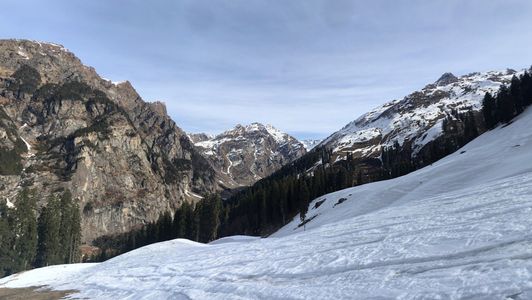
If you’re thinking about going on your first Himalayan trek or just looking for a scenic adventure, Hampta Pass is a great choice. It’s not too tough, not too long, and full of stunning views that make every step worth it. This guide answers all your questions in a simple way so you can plan your trip without any confusion.
Where is Hampta Pass?
Hampta Pass is located in Himachal Pradesh, India. It connects two beautiful valleys – Kullu and Lahaul. The trek usually starts from a small village called Jobra near Manali and ends at Chatru in the Spiti region. It’s a popular trail among both beginners and experienced trekkers.
How difficult is the Hampta Pass trek?
This trek is considered moderate. That means it’s not too easy but also not too difficult. If you are reasonably fit and can walk for a few hours every day, you’ll be fine. Most people do this trek over 4 to 5 days, which gives you enough time to rest and enjoy the journey.
When is the best time to go?
The best time to trek is from mid-June to the end of September. During this time, the snow has melted enough to make the trail passable, and the weather is pleasant. In June, you’ll still see some snow on the pass. July and August bring lush greenery and blooming flowers. September gives you clear skies and beautiful colors as the season begins to change.
What will I see on the trek?
You’ll see a mix of everything – green forests, open meadows, rocky paths, and even a bit of snow. One day you’re walking along a river surrounded by pine trees, and the next you’re crossing a mountain pass with glaciers around. On the other side, the landscape changes completely with dry, desert-like views in Lahaul. This contrast is what makes the trek so unique.
Do I need to prepare for altitude sickness?
Hampta Pass goes up to about 14,000 feet. That’s high enough for some people to feel the effects of thin air. Symptoms can include headache, dizziness, or nausea. To avoid this, drink plenty of water, take it slow, and give your body time to adjust. If you feel uncomfortable, let your guide know right away.
How cold does it get?
Even in summer, nights can be chilly. Temperatures can drop to around 0 to 5 degrees Celsius at higher campsites. During the day, if the sun is out, it can feel warm. But weather in the mountains can change quickly, so always be ready for rain or sudden drops in temperature.
What should I pack?
Here’s a simple checklist:
- A good backpack
- Sleeping bag (usually provided by trek organizers)
- Warm clothes (layers are better)
- Rain jacket or poncho
- Trekking shoes with good grip
- Water bottle
- Sunscreen and sunglasses
- Headlamp or flashlight
- Basic medicines (especially for cold or altitude)
Most organized treks will provide tents, food, and sleeping mats. But it’s good to double-check with the company you’re going with.
Can I do the trek without a guide?
Technically, yes. But it’s not recommended, especially if it’s your first high-altitude trek. The weather can change quickly, and the trail is not always marked. A guide knows the area well and will keep you safe. Plus, it’s easier to enjoy the experience when someone else is handling the logistics.
Is it suitable for beginners?
Yes, many first-time trekkers choose this trail. As long as you’re in decent shape and mentally prepared for walking several hours a day, you’ll enjoy it. Some uphill climbs will challenge you, but the rewards are more than worth it. Doing short practice hikes before your trip helps build stamina.
What is the food like?
On most treks, you’ll be served simple vegetarian meals – things like dal, rice, roti, sabzi, and porridge. Some companies even offer tea and snacks in the evening. It’s warm, filling, and just what you need after a long day of walking. If you have food allergies, let your trek organizers know in advance.
Are toilets available on the trail?
There are no regular toilets like you find in cities. Most campsites have dry toilets basically a pit in the ground with a tent around it. Carry toilet paper and hand sanitizer with you. It’s a bit basic, but you get used to it quickly.
Is it safe for solo travelers?
Yes, many people do this trek alone by joining a group. It’s a great way to meet like-minded people and share the experience. Just make sure you go with a reliable trekking company. Safety is always better in numbers, especially in the mountains.
How much does it cost?
Prices can vary depending on the trekking company. On average, expect to pay between INR 8,000 to 12,000 for a 4 to 5-day package. This usually includes food, tents, guides, and transport from Manali to the starting point. Extra gear rental or personal expenses will cost a bit more.
Do I need any permits?
Yes, a forest permit is required to enter the area. If you’re going with a trekking company, they’ll handle this for you. If you’re going independently, you’ll need to get it from the forest department in Manali.
What about mobile network and electricity?
There is no mobile signal during most of the trek. Make all your calls from Manali before you leave. Electricity is also not available at campsites, so carry a power bank to keep your phone or camera charged.
What is the total distance of the Hampta Pass trek?
The trek is about 26 to 30 kilometers long, depending on the route and campsites. It’s usually covered over 4 to 5 days, so you walk around 6 to 8 kilometers a day. Some days are easier, while others involve steeper climbs or descents.
How many days does it take to complete?
Most people finish the trek in 4 or 5 days. Some itineraries add a sixth day to visit Chandratal Lake if the road conditions allow. This extra day is optional but highly recommended if you have the time.
What is the highest point of the trek?
The highest point is Hampta Pass itself, which stands at around 14,000 feet (4,270 meters) above sea level. This is the main highlight of the trek where you get amazing views of both valleys – lush Kullu and stark Lahaul.
Do I need to train before the trek?
You don’t need to be a pro athlete, but a bit of training helps. Walking or jogging 4 to 5 kilometers a few times a week for a month before your trek will improve your stamina. Climbing stairs with a backpack is also a great way to prepare.
Is it okay to go in a big group?
Yes, many people do the trek in groups. It’s fun to walk with others and share the experience. Trekking companies usually have group sizes between 10 to 20 people, which is manageable. Just make sure the group moves at a pace that’s comfortable for everyone.
Can kids or older adults do this trek?
Some older teens and fit adults over 50 have done the trek successfully. It all depends on fitness and health. Kids under 10 might find it too tiring, especially at high altitudes. It’s best to check with a doctor if you have any health concerns before signing up.
Will I see snow during the trek?
If you go in June or early July, yes – there’s usually some snow near the pass. Later in the season, most of it melts, but you’ll still see snow patches around higher areas. Walking on snow can be fun but also slippery, so watch your step.
What kind of shoes should I wear?
Trekking shoes with good ankle support and a strong grip are a must. Avoid sports shoes or regular sneakers – they won’t handle the rough terrain or keep your feet dry if it rains. Also, break in your shoes before the trek to avoid blisters.
Is drinking water available on the trail?
Yes, there are fresh water streams along the route. Most trekking guides boil or filter the water before serving it. You can also carry your own water purification tablets or a filter bottle for extra safety.
What makes Hampta Pass different from other treks?
The biggest reason people love this trek is the variety. You get green forests, wide open meadows, snowy passes, and a dry mountain desert – all in one trip. It’s like seeing two different worlds on the same trail, which is rare in such a short trek.
Final Thoughts
Hampta Pass is the kind of trek that stays with you long after you return. It’s not just about reaching the top – it’s about the quiet moments, the mountain air, and the people you meet along the way. Whether you’re chasing a new adventure or just want a break from city life, this trek is a beautiful place to start.
Written By:
Ankit Rawat

Hotels at your convenience
Now choose your stay according to your preference. From finding a place for your dream destination or a mere weekend getaway to business accommodations or brief stay, we have got you covered. Explore hotels as per your mood.