Hampta Pass in Post-Monsoon: Trekking Through Fresh Valleys and Clear Skies
 Ankit Rawat
29 Aug, 2025
9 mins read
75
Ankit Rawat
29 Aug, 2025
9 mins read
75
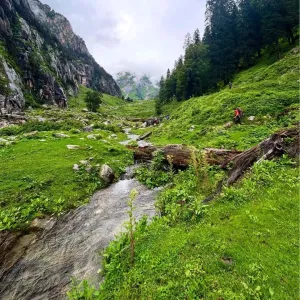
The Hampta Pass trek in Himachal Pradesh is one of the most loved treks in India because it combines lush green valleys, high-altitude passes, and the stark beauty of Spiti. While many trekkers choose summer months for this trail, the post-monsoon season (September to mid-October) has its own magic.
After the heavy rains of July and August, the valleys are greener, rivers flow stronger, and wildflowers cover the meadows. At the same time, the skies clear up, offering breathtaking views of snow-covered peaks. For trekkers who want the best of both worlds lush valleys and crisp mountain views—the post-monsoon window is often considered the best time for Hampta Pass trek.
In this article, we’ll explore what makes Hampta Pass in post-monsoon unique, from weather and landscapes to camping experiences and safety.
Fresh Valleys After the Rain
One of the biggest charms of trekking Hampta Pass after monsoon is walking through lush green valleys that look freshly washed.
- The forests near Jobra are thick and vibrant.
- Meadows like Jwara and Balu ka Ghera are carpeted with wildflowers.
- Streams and waterfalls flow with more energy, creating picture-perfect spots along the trail.
Every campsite on the Hampta Pass Trek looks like a postcard, especially with the contrast between green valleys and snow peaks in the background..
Stunning Mountain Views
The post-monsoon skies are usually clear, making it the best time to see the Himalayan peaks around Hampta Pass.
- From the pass, you get a breathtaking view of two contrasting worlds:
- On one side, the green and fertile Kullu Valley.
- On the other, the dry, barren, desert-like Lahaul Valley.
- Peaks like Indrasan, Deo Tibba, and Hanuman Tibba stand tall against the blue sky.
Unlike during the monsoon, when clouds hide the mountains, September–October gives you unhindered, crystal-clear views.
Comfortable Weather
The weather plays a big role in making the post-monsoon trek enjoyable.
- Daytime: Cool and pleasant, perfect for trekking (10°C to 15°C).
- Nighttime: Cold but manageable with proper gear (0°C to 5°C).
- Snow chances: By October, you might find the first signs of winter snow at higher campsites like Shea Goru.
This balance of cool days and chilly nights makes the trek less tiring compared to summer heat or heavy monsoon rains.
Camping Experience
Camping is at the heart of the Hampta Pass trek, and in post-monsoon, it becomes even more special.
- Jwara campsite: Wide meadows with wildflowers still in bloom.
- Balu ka Ghera: A campsite surrounded by mountains and the Rani Nallah river flowing nearby.
- Shea Goru: A remote campsite in Lahaul, offering clear night skies full of stars.
After monsoon, campsites are less muddy, the air feels fresh, and the views around the tents are unforgettable.
Lesser Crowd, More Peace
Summer months (June and July) often see heavy footfall on Hampta Pass because it’s considered a beginner-friendly trek. But in September–October, the number of trekkers is lower.
This makes post-monsoon perfect if you prefer peaceful campsites, quieter trails, and more time to enjoy the natural beauty without too much crowd.
Bonus: Chandratal Lake
For many trekkers, the Hampta Pass trek ends with a road trip to Chandratal Lake in Spiti Valley.
- In post-monsoon, the roads to Chandratal are usually open and safe.
- The lake shines like a blue jewel, reflecting the surrounding mountains.
- Clear skies make it perfect for photography and stargazing.
It’s the ideal ending to a trek that already offers so much variety.
Why Trek Hampta Pass in Post-Monsoon?
- Fresh, green valleys after monsoon showers.
- Clear mountain views, perfect for photography.
- Comfortable trekking weather.
- Less crowded trails for a peaceful experience.
- Opportunity to visit Chandratal Lake.
Frequently Asked Questions (FAQs)
1. Is September a good time for Hampta Pass trek?
Yes, September is one of the best months. The valleys are fresh after monsoon, skies are clear, and the weather is comfortable for trekking.
2. Will I see snow in post-monsoon?
In September, you may not find much snow, but by October, higher camps like Shea Goru and Hampta Pass itself may start getting light snow.
3. How cold does it get during this time?
- Days: Around 10°C to 15°C.
- Nights: Around 0°C to 5°C.
- Proper jackets, gloves, and sleeping bags make it comfortable.
4. Is it safe to trek after monsoon?
Yes, the trail is safe post-monsoon because the heavy rains are over. The risk of landslides and slippery paths is much lower compared to July–August.
5. Can I visit Chandratal Lake in September–October?
Yes, this is one of the best times. Roads are open, and the lake looks stunning under clear skies. By late October, roads may close due to early snow.
6. Is Hampta Pass trek good for beginners?
Absolutely. The trek is considered moderate, and post-monsoon weather makes it easier. With proper guidance, first-time trekkers can complete it comfortably.
Final Thoughts
The Hampta Pass trek in post-monsoon is one of the best ways to enjoy the Himalayas. The lush valleys, flowing streams, and fresh meadows give you the beauty of summer, while the clear skies and comfortable weather bring the joy of autumn. Add the contrast of Kullu and Lahaul valleys, peaceful camping nights, and the visit to Chandratal Lake, and you have one of the most rewarding trekking experiences in India.
If you want to enjoy the Himalayas at their greenest and clearest, September to October is the perfect time for Hampta Pass trek.
Written By:
Ankit Rawat

Hotels at your convenience
Now choose your stay according to your preference. From finding a place for your dream destination or a mere weekend getaway to business accommodations or brief stay, we have got you covered. Explore hotels as per your mood.