Har Ki Dun Trek Distance: Everything You Need to Know Before You Go
 Deepanshu Negi
31 Dec, 2025
11 mins read
154
Deepanshu Negi
31 Dec, 2025
11 mins read
154
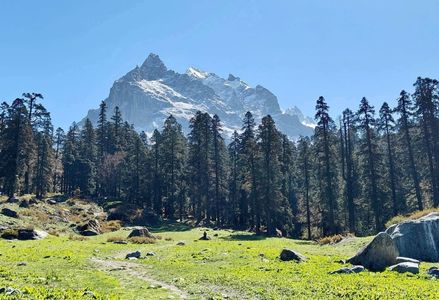
The Har Ki Dun Trek is one of the most scenic and beginner-friendly treks in the Garhwal Himalayas. Located in Uttarakhand’s Garhwal region, this trail is famous for its ancient villages, alpine meadows, and views of snow-covered peaks.
Before planning the trek, most people ask one simple question what is the total Har Ki Dun trek distance?
This guide answers that and much more, with real data, clear explanations, and practical tips.
Har Ki Dun Trek Distance - Quick Overview
The total Har Ki Dun trek distance is around 34 kilometers, starting from Sankri village and ending at the same point.
Here’s how the distance breaks down:
- Total trekking distance: 34 km (round trip)
- Trek duration: 6-7 days
- Altitude of Har Ki Dun valley: 3,566 meters (11,700 ft)
- Base village: Sankri
- Region: Govind Pashu Vihar National Park, Uttarakhand
This distance makes Har Ki Dun a moderate-level trek, suitable for beginners who have basic fitness and preparation.

Why the Har Ki Dun Trek Distance Is Perfect for Beginners
The 34 km distance is spread over multiple days, making it manageable even for first-time trekkers.
Here’s why it works well:
- No extreme altitude gain in a single day
- Well-marked forest trails
- Gradual ascent
- Good acclimatization time
- Availability of local villages and campsites
Unlike short but steep treks, Har Ki Dun allows your body to adapt naturally.
Har Ki Dun Trek Day-Wise Itinerary
Day 1 - Drive from Dehradun to Sankri
The journey begins with a scenic drive from Dehradun to Sankri, the base village of the Har Ki Dun trek. The route passes through Mussoorie, Purola, and Mori, offering beautiful mountain views and river valleys along the way.
The drive takes around 8 to 10 hours depending on road conditions. Sankri is a small Himalayan village surrounded by pine forests and snow-capped peaks. After reaching, trekkers usually rest, acclimatize, and prepare for the trek starting the next day.
Day 2 - Drive from Sankri to Dharkot Village and Trek to Seema
After an early breakfast, you drive from Sankri to Dharkot village. This short drive saves trekking time and helps maintain energy for the upcoming days.
From Dharkot, the trek begins towards Seema village. The trail follows the Supin River and passes through dense forests and small settlements. The walk is gradual and comfortable, making it ideal for acclimatization. By evening, you reach Seema, where the campsite offers peaceful mountain views and fresh air.
Day 3 - Trek from Seema to Boslo Campsite via Kalkatiyadhar
This day brings a mix of forest trails and open meadows. The trek from Seema to Boslo goes through Kalkatiyadhar, a beautiful ridge that offers panoramic views of the valley.
The trail gradually ascends, and you start noticing changes in vegetation. Snow patches may appear depending on the season. After a steady walk, you reach Boslo campsite, located in a scenic alpine zone. The quiet surroundings make it a perfect place to rest.
Day 4 - Trek from Boslo to Har Ki Dun Valley and Back to Boslo
This is the most exciting day of the trek. You walk from Boslo to the stunning Har Ki Dun Valley, passing through wide meadows and glacial streams.
One of the highlights of the day is Marinda Lake, a high-altitude alpine lake surrounded by snow-covered peaks. After spending time exploring the valley and soaking in the views of Swargarohini range, you return to Boslo campsite by evening.
The total walking distance is moderate, but the scenery makes every step worth it.
Day 5 – Trek from Boslo to Seema via Osla Village
The return journey begins as you trek back from Boslo to Seema, passing through the ancient village of Osla. This village is known for its traditional wooden houses and the ancient Someshwar temple.
Walking through Osla gives a glimpse of the local lifestyle and culture of the region. The trail descends gradually, making the walk easier than previous days. You reach Seema by late afternoon and stay overnight.
Day 6 – Trek from Seema to Dharkot and Drive to Sankri
After breakfast, you trek back from Seema to Dharkot village. The trail mostly goes downhill and follows the river, making it a relaxed walk.
From Dharkot, a short drive takes you back to Sankri. The evening is free to relax, explore the village, or share stories with fellow trekkers.
Day 7 – Drive from Sankri to Dehradun
On the final day, you drive back to Dehradun, marking the end of the Har Ki Dun trek. The return journey offers one last chance to enjoy the scenic mountain roads and river views.
By evening, you reach Dehradun with unforgettable memories of one of Uttarakhand’s most beautiful treks.
Trek Difficulty Based on Distance
Difficulty Level: Easy to Moderate
The distance itself is not tough, but the terrain includes:
- Forest trails
- River crossings
- Snow patches (in winter and early summer)
- Long walking hours (5-6 hours daily)
If you can walk 6-7 km a day with a light backpack, you can complete this trek comfortably.
Best Time to Do Har Ki Dun Trek
The trek distance remains the same throughout the year, but the experience changes by season.
Best Seasons
- April to June: Spring flowers and clear views
- September to November: Autumn colors and stable weather
- December to March: Snow trek (distance feels harder due to snow)
Monsoon (July–August) is not recommended due to landslides and slippery trails.
Fitness Required for 34 km Har Ki Dun Trek
You don’t need to be an athlete, but basic fitness helps.
Recommended preparation:
- Walk 4-5 km daily for 2 weeks
- Light jogging or cycling
- Stair climbing
- Basic leg and core exercises
Good stamina makes the trek enjoyable rather than tiring.
Why Har Ki Dun Trek Is Famous
The trek is not just about distance. It’s about experience.
- Ancient villages like Osla
- Views of Swargarohini peaks
- Pine and deodar forests
- Alpine meadows
- Rich Garhwali culture
- Mythological significance (linked to the Mahabharata)
This is why Har Ki Dun is often called the “Valley of Gods”.
Important Facts You Should Know
- Har Ki Dun lies inside Govind Pashu Vihar National Park
- Trek permits are mandatory
- Mobile network works only till Sankri
- Local guides are recommended
- Camping is regulated by forest authorities
These rules help preserve the region’s natural beauty.
Final Thoughts: Is Har Ki Dun Trek Worth It?
Yes, absolutely.
With a 34 km scenic trail, moderate difficulty, and stunning Himalayan views, Har Ki Dun is perfect for:
- Beginners
- Nature lovers
- Photographers
- Slow travelers
- People looking for a peaceful Himalayan trek
It offers the right mix of adventure, culture, and comfort without pushing your limits.
If you want a trek that feels rewarding but not exhausting, Har Ki Dun is a solid choice.
Written By:
Deepanshu Negi

Hotels at your convenience
Now choose your stay according to your preference. From finding a place for your dream destination or a mere weekend getaway to business accommodations or brief stay, we have got you covered. Explore hotels as per your mood.